How to Clean a Countertop Ice Maker (and How Often to Do It)
A simple routine to clean and descale a countertop ice maker with vinegar or a cleaner, plus how often to do it so your ice stays fresh and the machine keeps working.

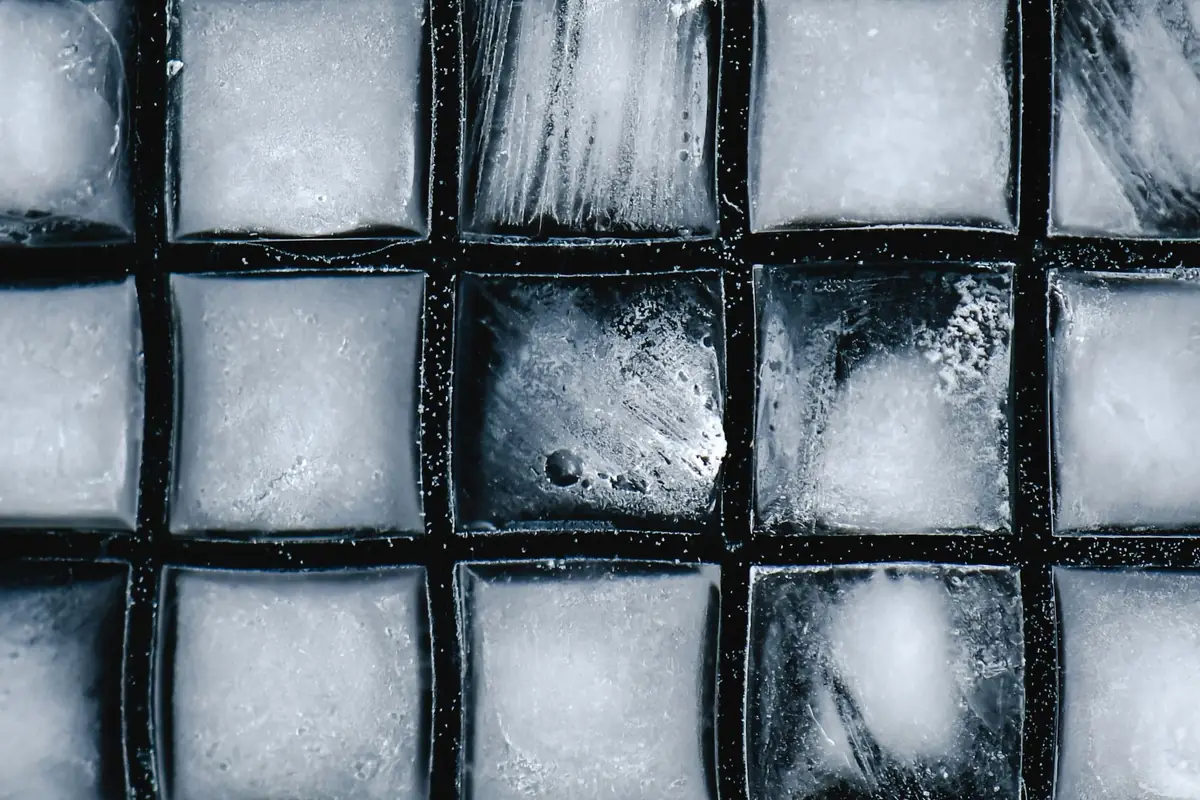
Countertop ice makers are always wet inside, and the water recirculates constantly. That’s the perfect setting for mineral scale, slime and mold if you don’t clean it. The good news is that a regular clean only takes about 20 minutes of hands-on time.
Before you start, check your manual. Many machines have a self-clean cycle and some makers recommend a specific cleaner. If yours does, follow those instructions first.
How often to clean
- After each use or every few days: drain leftover water and let it air-dry if you won’t use it again soon.
- About every 2 to 4 weeks with regular use: a full clean with a vinegar or cleaner solution.
- Every few months, or when you see white buildup: descale. Nugget ice makers and machines used with hard water may need this more often; follow your manual.
What you’ll need
- White vinegar, or the cleaner your manufacturer recommends
- Warm water
- Mild dish soap
- A soft cloth or sponge and a soft brush (an old toothbrush works)
- A towel
Step by step
1. Unplug and empty it
Turn the machine off and unplug it. Throw out any ice and drain all the water from the reservoir. Most machines have a drain plug on the bottom or side; set the machine at the edge of the sink so it can drain.
2. Remove and wash the loose parts
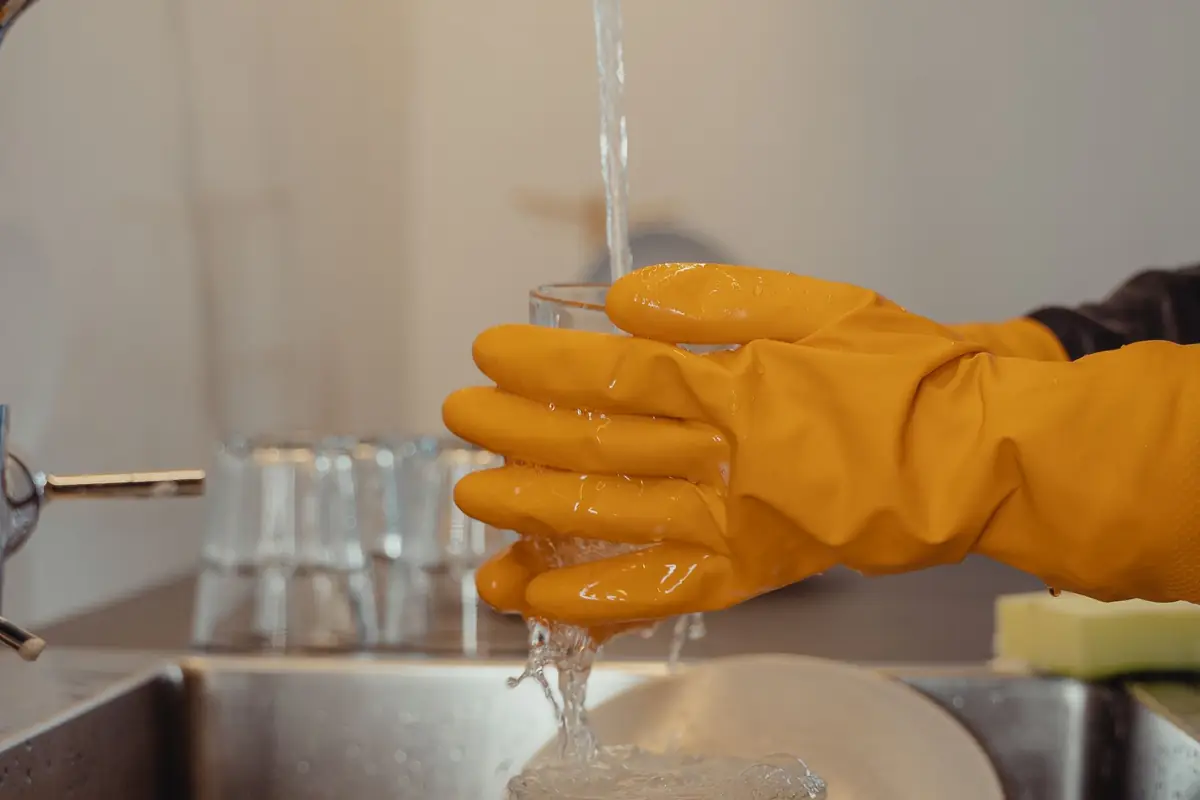
Take out the ice basket, scoop and any other removable pieces. Wash them in warm, soapy water, rinse well and leave them to dry.
3. Wipe down the inside
Use a soft cloth with warm, soapy water to wipe the reservoir and interior. Get into the corners with a soft brush. Avoid abrasive pads, which scratch plastic and give buildup somewhere to grip.
4. Run a cleaning cycle
Fill the reservoir with a solution of equal parts white vinegar and water (or your manufacturer’s cleaner), up to the max fill line.
- If your machine has a self-clean cycle, run it.
- If not, turn the machine on and run it for about 15 to 20 minutes, until a batch of ice forms. Throw that ice away.
Then turn it off and drain the solution.
5. Rinse well
Fill the reservoir with clean water and run the machine (or the clean cycle) again. Drain it. Repeat once or twice until you can’t smell vinegar. Discard any ice made during rinsing.
6. Dry it completely
Wipe the inside with a clean, dry towel and leave the lid open for a few hours so everything dries before you put the basket back.
Dealing with mold or slime
Pink or black slime usually means the machine has been sitting with water in it. Clean it as above, paying extra attention to the water line and any crevices, and repeat the cleaning cycle if needed. Going forward, drain the machine whenever you won’t use it for a day or two.
Tips to keep it cleaner, longer
- Use filtered or distilled water. It cuts down on mineral scale, especially in hard-water areas.
- Don’t leave water sitting. Drain it if you won’t use the machine for more than a day.
- Keep the lid closed while it runs, so dust and kitchen grime stay out.
- Store it dry, with the lid open slightly, if you only use it seasonally.
Signs it needs descaling
- White, chalky buildup on the prongs or reservoir
- Slower ice production or smaller cubes
- Ice that tastes off or cloudy water
- Some machines show a “clean” indicator light
Still choosing a machine? See the best countertop ice makers, or read how countertop and fridge ice makers compare.
FAQ
Can I use bleach to clean an ice maker? Some manufacturers allow a very diluted bleach solution, but many don’t. Check your manual, and if you use it, rinse several times.
Can I clean it with lemon juice? Yes. Lemon juice or citric acid works like vinegar to remove scale, and some people prefer the smell.
Is it safe to drink the ice right after cleaning? Throw away the first batch or two after cleaning to make sure no cleaner or vinegar is left behind.