Induction vs Electric Cooktop: What's the Difference?
Induction heats the pan directly and is faster, safer and more responsive. Electric (radiant) cooktops work with any pan and cost less. Here's how to choose.

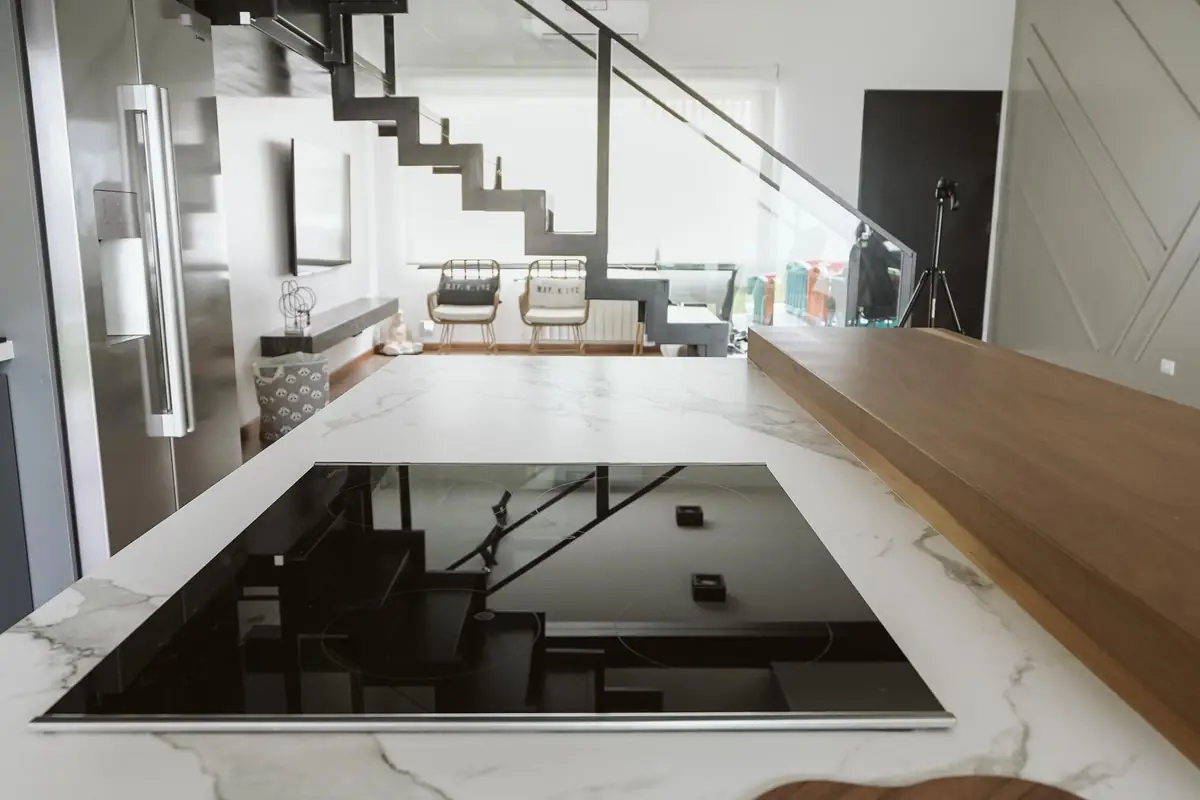
Both induction and standard electric cooktops often look the same: a smooth, black glass top. The difference is how they heat.
- A standard electric (radiant) cooktop heats a coil under the glass. The coil heats the glass, and the glass heats your pan.
- An induction cooktop uses a magnetic field to heat the pan itself. The glass only gets warm from the hot pan sitting on it.
That one difference affects speed, safety, control, cleaning and which pans you can use.
At a glance
| Induction | Electric (radiant) | |
|---|---|---|
| Speed | Very fast; often boils water faster than gas | Slower to heat up and cool down |
| Control | Instant response, like gas | Lags when you change the setting |
| Surface heat | Glass stays cooler; only warm under the pan | Glass gets very hot and stays hot |
| Cleaning | Easy; spills don’t bake on as much | Spills can burn onto the hot glass |
| Cookware | Must be magnetic | Any flat-bottomed pan |
| Efficiency | High; heat goes into the pan | Lower; heat is lost to the air |
| Price | Higher | Lower |
| Noise | Can hum or buzz | Silent |
Why choose induction
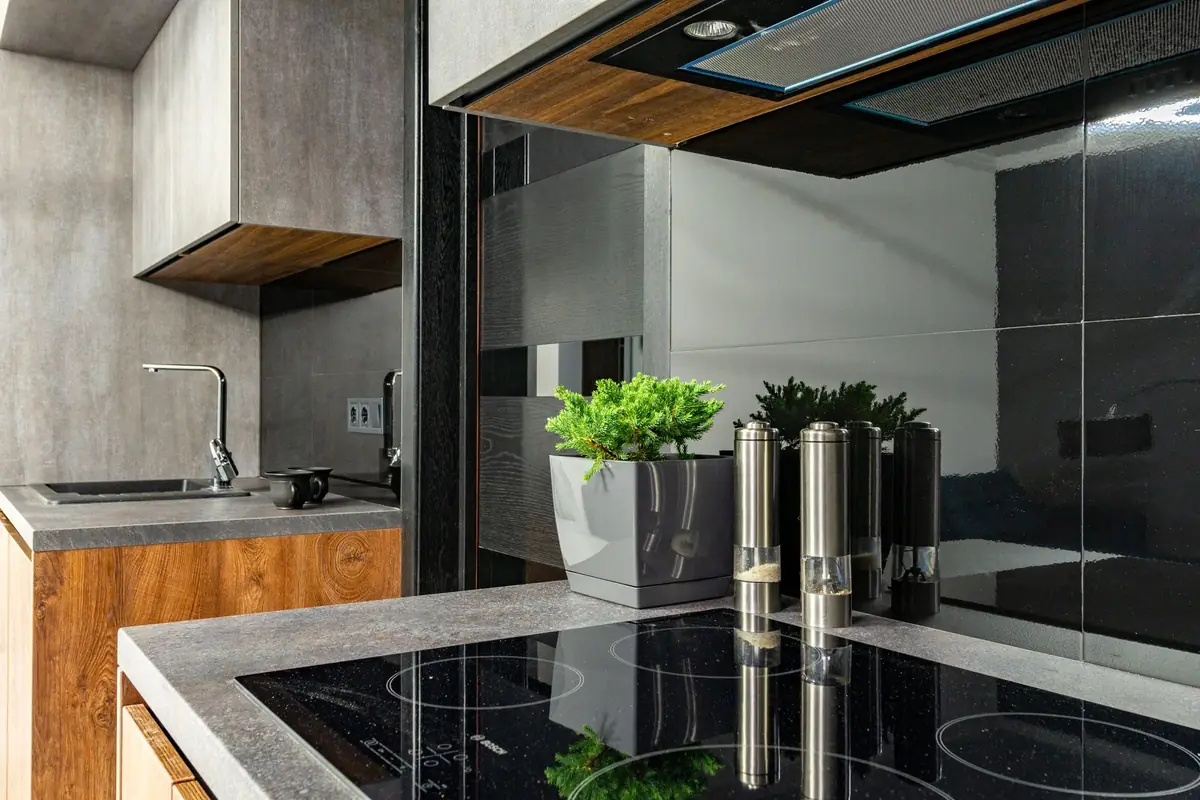
- Speed. Induction heats pans very quickly. Water boils faster than on most electric and many gas stoves.
- Control. Turn it down and the pan responds right away, so it’s easier to stop a boil-over or hold a gentle simmer.
- Safety. The surface doesn’t glow red, it stays relatively cool, and most units turn off when you remove the pan. That’s a plus with kids around.
- Easy cleaning. Spills don’t burn on as badly because the glass doesn’t get as hot.
- Efficiency. More of the energy goes into the pan rather than heating your kitchen.
The downsides: It costs more. Your pans must be magnetic: here’s the magnet test. Some units hum or buzz, and very small or warped pans may not be detected.
Why choose electric (radiant)
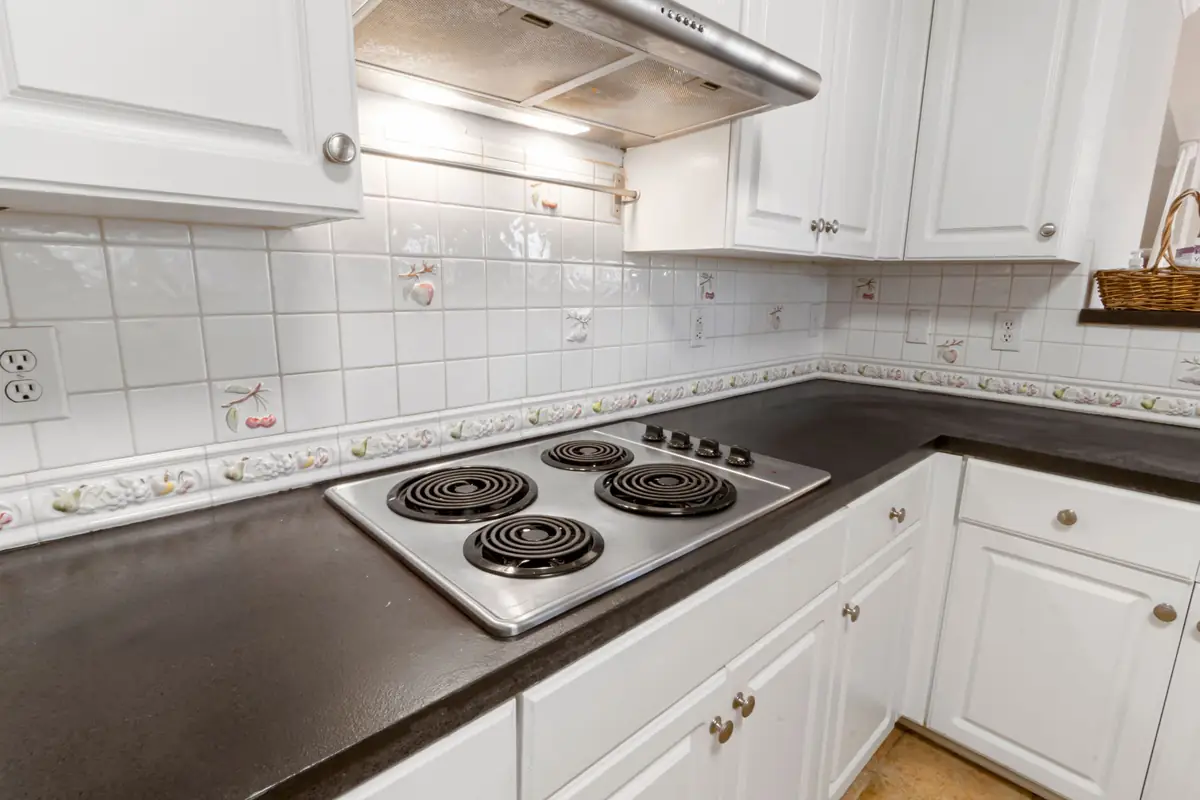
- Lower price. Electric cooktops and ranges cost less.
- Works with any pan. Aluminum, copper and glass all work, as long as the bottom is flat.
- Quiet. No hum.
The downsides: Slower to heat and slower to cool, so it’s harder to control. The glass stays hot after you turn it off, which is a burn risk. Spills can bake onto the surface.
What about cost to run?
Induction is more efficient, but cooking is a small part of most home energy bills, so the savings are usually modest. Choose induction for performance and safety, not mainly for the electric bill.
Do you need new wiring?
Full-size induction and electric ranges both typically need a 240-volt circuit. If you already have an electric range, you can usually swap in induction without rewiring, but check the amperage the new range requires.
Try before you commit
Not sure about induction? A portable induction burner for under $100 plugs into a regular outlet and lets you try it. See the best portable induction cooktops.
Our recommendation
- Choose induction if you cook a lot, want gas-like control without gas, have kids, or value easy cleaning, and you’re OK checking your pans.
- Choose electric if you’re on a tight budget, have lots of non-magnetic cookware you love, or cook only occasionally.
Common questions
Is induction better than gas? For speed, efficiency, safety and indoor air quality, many cooks think so. Gas still appeals to people who like a visible flame and cooking with a wok.
Can I use cast iron on induction? Yes. Lift it instead of sliding it, since it can scratch the glass.
Is induction safe for people with pacemakers? Most manufacturers advise people with pacemakers or other implanted medical devices to ask their doctor and keep some distance from an operating induction cooktop.