The 90-Day Blackout Rumor: What's Real and How to Actually Prepare
The 90-day blackout rumor is false, but winter outages are real. Here's what's true, and the seven things worth having in the house for three days without power, from a lantern and a weather radio to a CO alarm and real food.

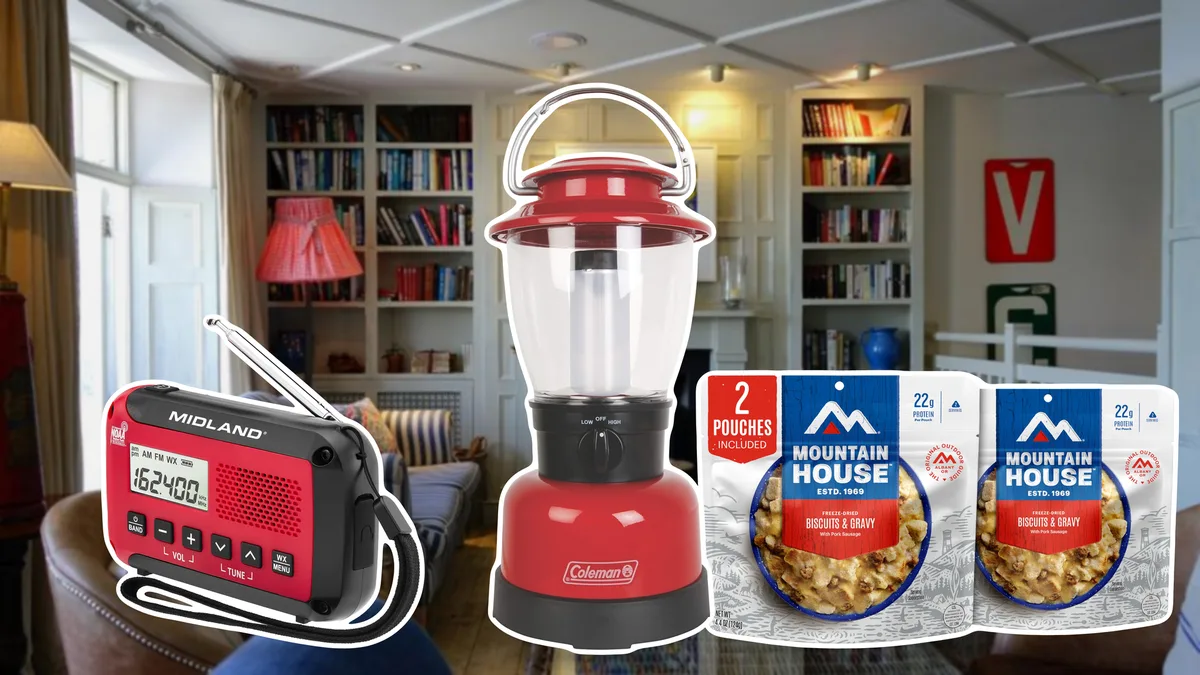
Our top picks at a glance
- Check Amazon Price
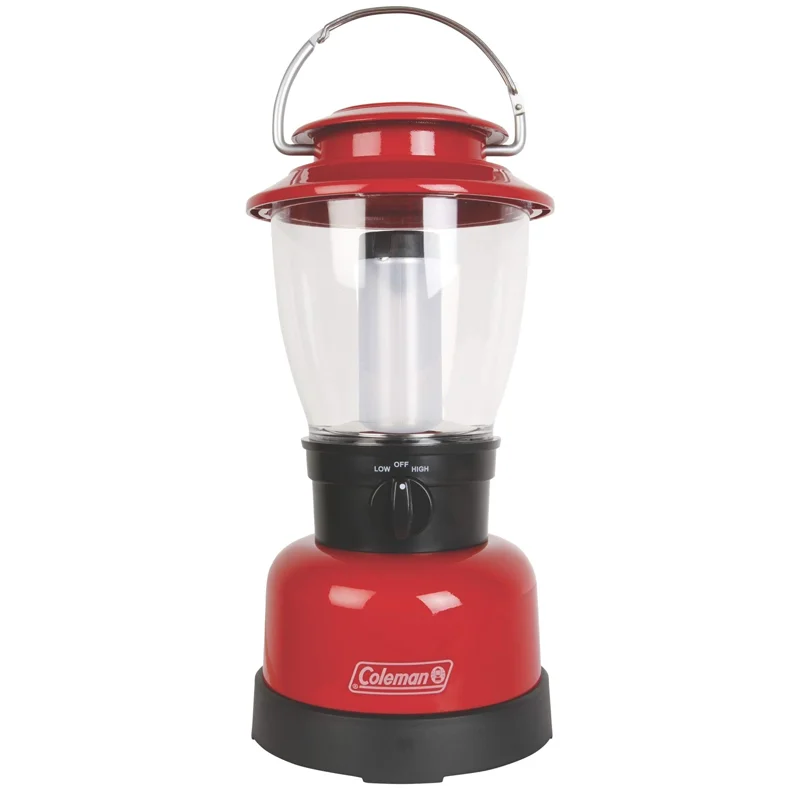
400 lumens on regular batteries. Coleman rates it at about 30 hours on high and 70 on low. Read more
Pros
- Lights a whole room from the table
- Runs on batteries you can stock
- No flame
Cons
- Batteries not the cheapest way to run it for weeks
- Check Amazon Price
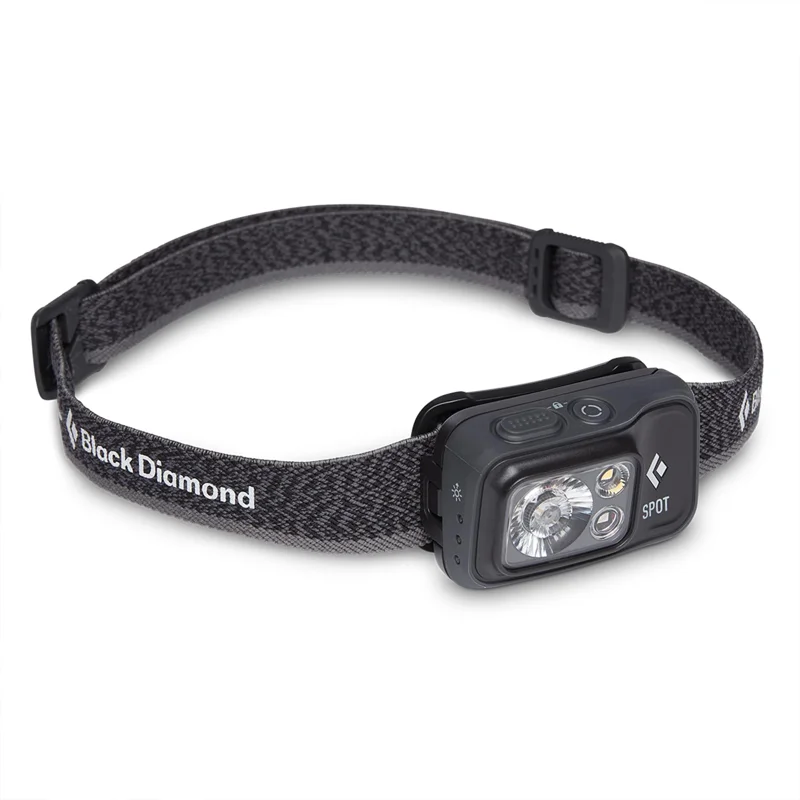
400 lumens with a red night mode, on AAA batteries. Read more
Pros
- Both hands free
- Red mode won't blind anyone
- Small enough for a drawer
Cons
- Lights where you look
- not the whole room
- Check Amazon Price
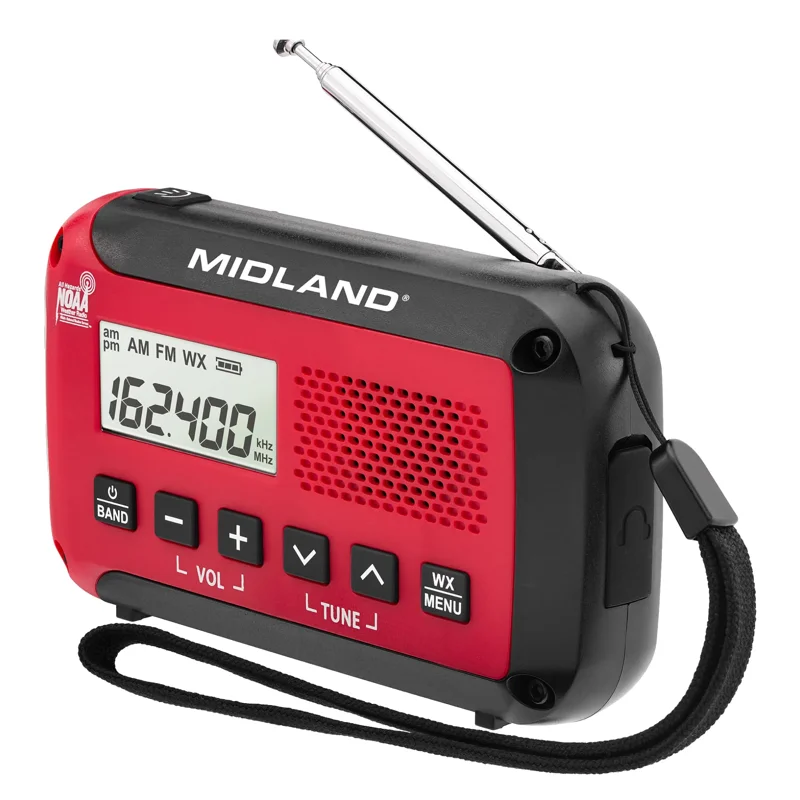
NOAA weather alerts with an alarm, plus AM and FM, a flashlight and an SOS strobe, on three AA batteries. Read more
Pros
- Sounds an alarm when an alert comes in
- Works when the phone is dead
- Fits in a pocket
Cons
- Small speaker
- Check Amazon Price
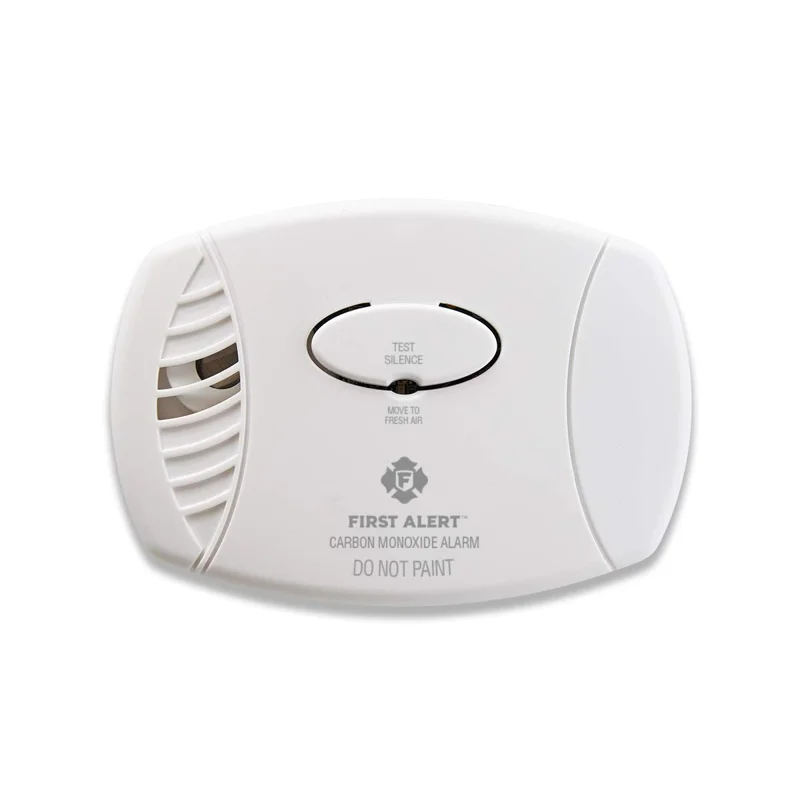
A plug-in carbon monoxide alarm that keeps working on its battery backup when the power is out. 85 decibels. Read more
Pros
- Keeps working in an outage
- Loud
- Costs about as much as a pizza
Cons
- Needs an outlet where you want it
- Check Amazon Price
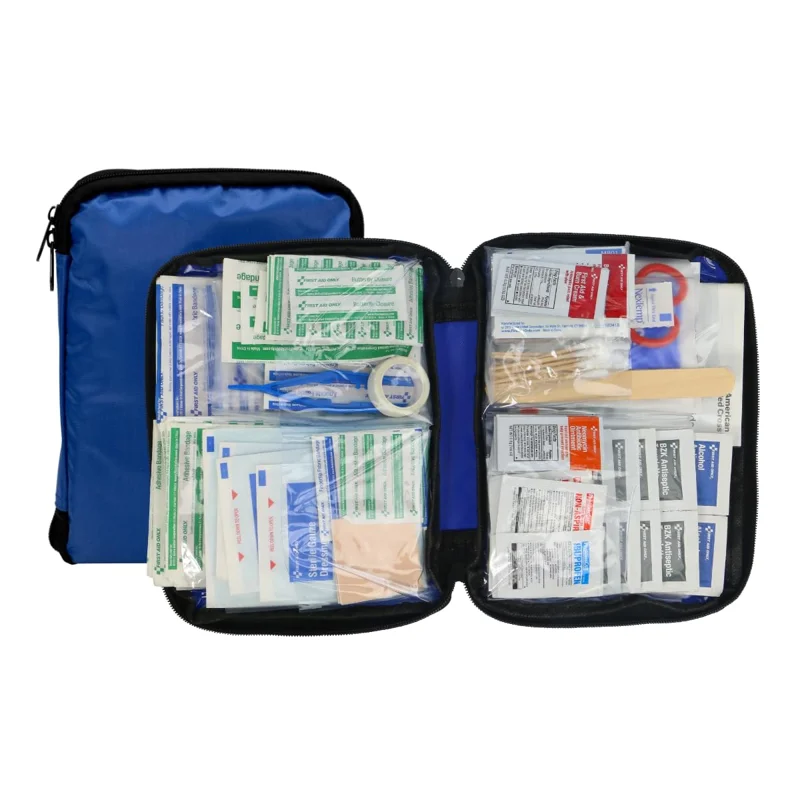
A soft-case kit that covers the everyday stuff, cheap enough to keep a second one in the car. Read more
Pros
- Organized soft case
- Cheap enough for two
Cons
- Basics only; add your own medications
- Check Amazon Price
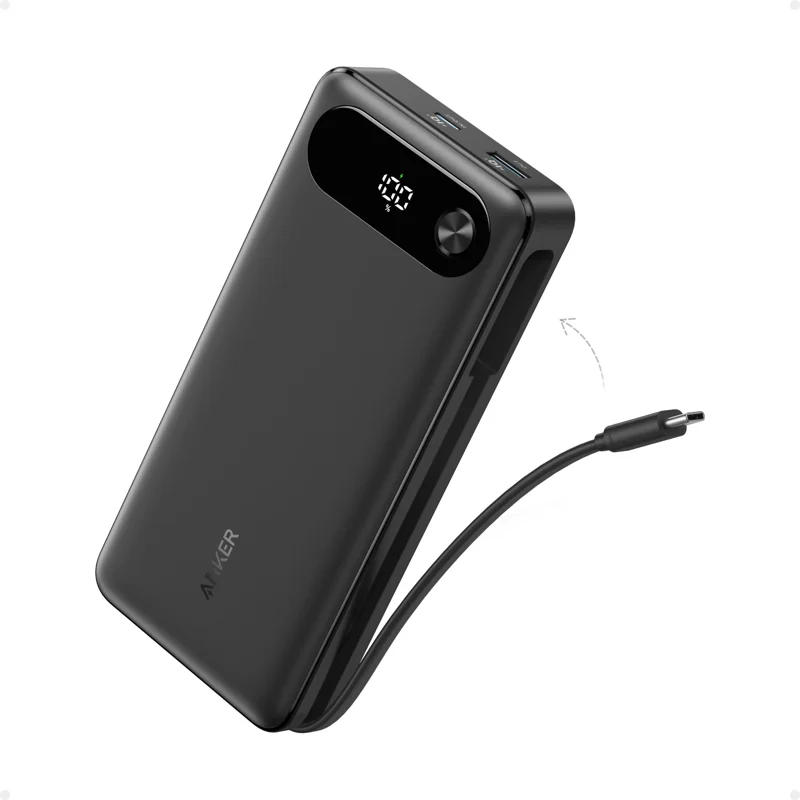
20,000 mAh with a USB-C cable built in, so you can't lose it. Charges a phone several times over. Read more
Pros
- Cable can't go missing
- Several phone charges
Cons
- Won't run the fridge or the router for long
- Check Amazon Price
Freeze-dried. Add water and eat, and it keeps a long time in the pantry. Read more
Pros
- Feels like a real meal
- Long shelf life
- Just add water
Cons
- You need a way to heat water for the best result

Prefer to watch?
The 90-Day Blackout Rumor: What's Real and How to Actually Prepare Watch on YouTube
If you’ve been on TikTok this month, you’ve probably seen it: a 90-day blackout starting November 17. It isn’t real. But the things that actually knock your power out, like ice storms, are, and most homes aren’t ready for even three days.
I went through the fact-checks, Ready.gov’s outage checklist, the Red Cross’s advice and every product’s listing. I haven’t had these seven on my own bench, so everything below comes from those sources and the makers’ published specs. First, what’s real. Then seven things worth having in the house. None of them are expensive.
What’s real
PolitiFact rated the November 17 blackout claim false, and the Homeland Security Secretary said “absolutely not.”
The 90 days comes from a Pentagon plan for military bases to be able to run on their own for 90 days. Bases, not homes. The only thing actually happening on the 17th is a one-minute test of the Emergency Alert System on radio and TV.
Meanwhile, Europe has told people to be ready to look after themselves for 72 hours. That’s a smart target. So plan for three days without power. That’s what this list is built for.
Light: skip the candles
The Red Cross says to use flashlights, not candles, because candles are a fire risk. That’s the last thing you want in a dark house.
1. Coleman 400 Lumen LED Lantern
It runs on regular batteries, and Coleman rates it at about 30 hours on high and 70 on low. Set it on the table and it lights the whole room.
Check Amazon Price: Coleman 400 Lumen LED Lantern
2. Black Diamond Spot 400 Headlamp
400 lumens, a red night mode so you don’t blind everybody, and it takes AAA batteries. Your hands stay free for the stuff that matters, like finding the breaker box.
Check Amazon Price: Black Diamond Spot 400 Headlamp
A weather radio
When the power’s out, your phone is dying and cell service can get spotty. Ready.gov puts a battery or hand-crank radio, plus a NOAA Weather Radio with tone alert, right on its kit list.
3. Midland ER10VP Emergency Weather Radio
The Midland ER10VP picks up NOAA weather alerts and sounds an alarm when one comes in. It also has AM and FM, a flashlight and an SOS strobe, and it runs on three AA batteries.
Check Amazon Price: Midland ER10VP
A carbon monoxide alarm with battery backup
This is the one people skip, and it’s the one that matters most. In winter outages, people run generators too close to the house or try to heat with the stove. Ready.gov says never use a gas stove or oven to heat your home, and to keep a generator at least 20 feet from windows, doors and attached garages.
4. First Alert Plug-In CO Alarm
The First Alert plug-in alarm keeps working on its battery backup when the power’s out, and it’s loud, 85 decibels.
Check Amazon Price: First Alert Plug-In CO Alarm
First aid
5. First Aid Only 298-Piece Kit
The First Aid Only 298-piece kit covers cuts, burns and scrapes, and it’s cheap enough to keep a second one in the car. Add any medications your family takes.
Check Amazon Price: First Aid Only 298-Piece Kit
Power for your phone
6. Anker 20,000mAh Power Bank
The Anker 20,000mAh power bank has a USB-C cable built in, so you can’t lose it, and it’ll charge a phone several times over.
Check Amazon Price: Anker 20,000mAh Power Bank
If you want the fridge and the internet to keep going too, that’s where a power station comes in. The Anker SOLIX C1000 Gen 2 is the one I’d start with. We cover it and four bigger ones in 90-Day Blackout? The Truth, Plus 5 Power Stations Worth Owning.
Water and food
Ready.gov says one gallon of water per person, per day, for several days. For a family of four, that’s 12 gallons for three days. Fill jugs before a storm hits, and fill the bathtub for flushing.
For food, Ready.gov says several days of non-perishable food. Most of that can be canned food you already eat. Just keep a manual can opener.
7. Mountain House Biscuits and Gravy
For when you want something that feels like a real meal. It’s freeze-dried, you just add water, and it keeps a long time in the pantry.
Check Amazon Price: Mountain House Biscuits and Gravy
The fridge rule
When the power goes out, keep the fridge and freezer doors shut. Ready.gov says the fridge keeps food cold for about four hours, and a full freezer holds for about 48. If food has been above 40°F for two hours or more, throw it out.
So no, there’s no 90-day blackout coming. But three days without power in January is real, and this whole list fits on one closet shelf.
We may earn a commission if you buy through links on this page. It never changes what we recommend. As an Amazon Associate we earn from qualifying purchases. Learn more.