Tankless vs Tank Water Heater: An Honest Cost Comparison
Tankless heaters save energy and last longer, but cost more upfront. Here's how the costs really compare, and which type makes sense for your home.

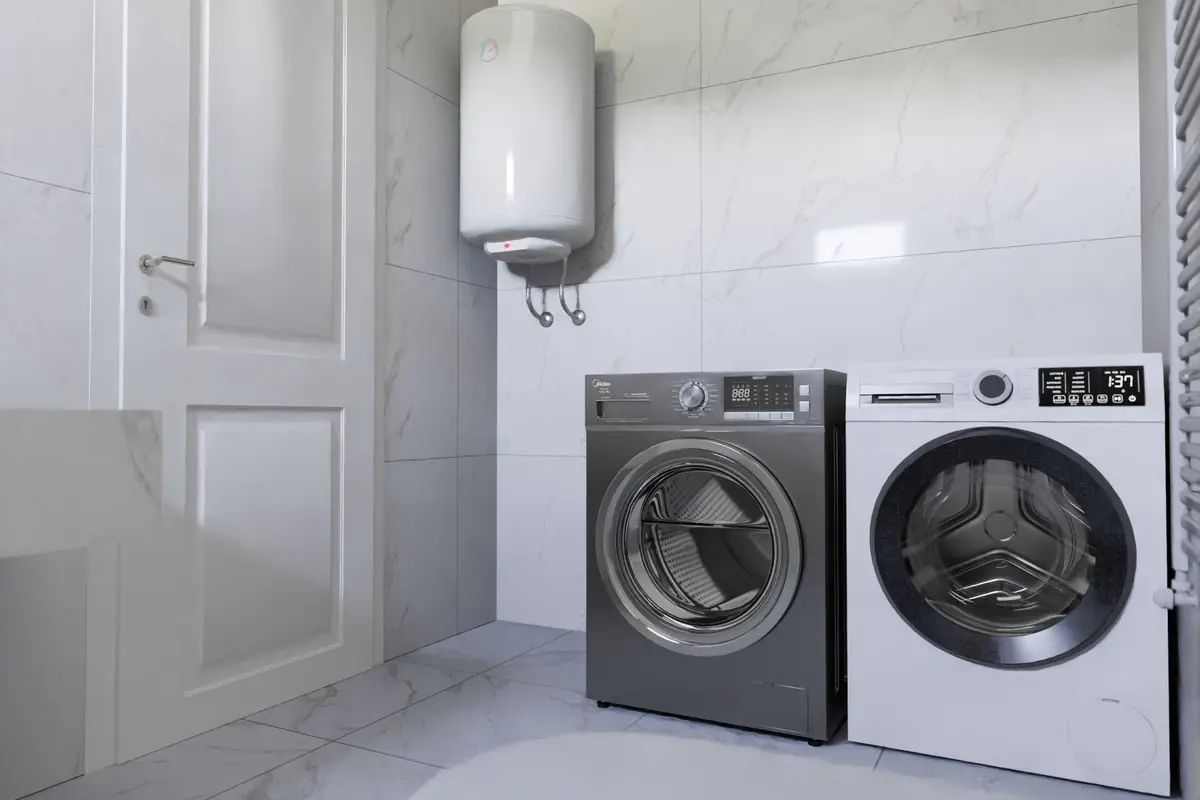
Tankless water heaters get a lot of praise: endless hot water, lower energy bills, a longer life. All of that can be true. But they also cost more to buy and install, and in some homes the savings take years to pay back.
The short version: a tank heater is cheaper upfront and simpler to replace. A tankless heater costs more but uses less energy and lasts longer. Whether tankless pays off depends on your fuel, your hot water use and what installation will involve.
At a glance
| Tank water heater | Tankless water heater | |
|---|---|---|
| How it works | Keeps 30 to 80 gallons hot all the time | Heats water only when you use it |
| Hot water supply | Can run out | Doesn’t run out, but is limited by flow |
| Upfront cost | Lower | Higher, especially if installation needs upgrades |
| Energy use | Loses heat while water sits in the tank | More efficient; no standby loss |
| Typical lifespan | About 10 to 15 years | 20 years or more |
| Space | Large tank | Small wall-mounted unit |
| Maintenance | Drain and flush yearly, check anode rod | Descale periodically, especially with hard water |
The real cost difference
Upfront
Tank water heaters are the cheapest option to buy and usually the cheapest to install, especially when you’re replacing an old tank with a similar one.
Tankless units cost more to buy, and installation is where costs can jump:
- Gas tankless often needs a larger gas line and new venting.
- Electric tankless often needs large breakers and sometimes a panel upgrade, which can cost $1,000 to $3,000 or more.
Get quotes for both types for your specific home before deciding.
Energy savings
According to the U.S. Department of Energy, tankless heaters can be 24 to 34 percent more energy efficient than tank heaters in homes that use about 41 gallons or less of hot water a day, and 8 to 14 percent more efficient in homes that use a lot more hot water, around 86 gallons a day.
In dollars, that saving depends on your energy prices and how much hot water you use. For many households it’s a modest amount each year, which is why payback can take a long time.
Lifespan
The Department of Energy notes that most tankless heaters last more than 20 years, compared with 10 to 15 years for tank heaters. Over a long ownership, you might replace a tank heater once or twice in the time one tankless unit lasts. That’s a real point in tankless’s favor.
When tankless makes sense
- You’re building, remodeling or your gas line and venting already suit tankless
- Space is tight and you’d like the floor space back
- You run out of hot water with your current tank
- You plan to stay in the home long enough for lifespan and energy savings to add up
- You live in a warm climate and want electric tankless
When a tank makes more sense
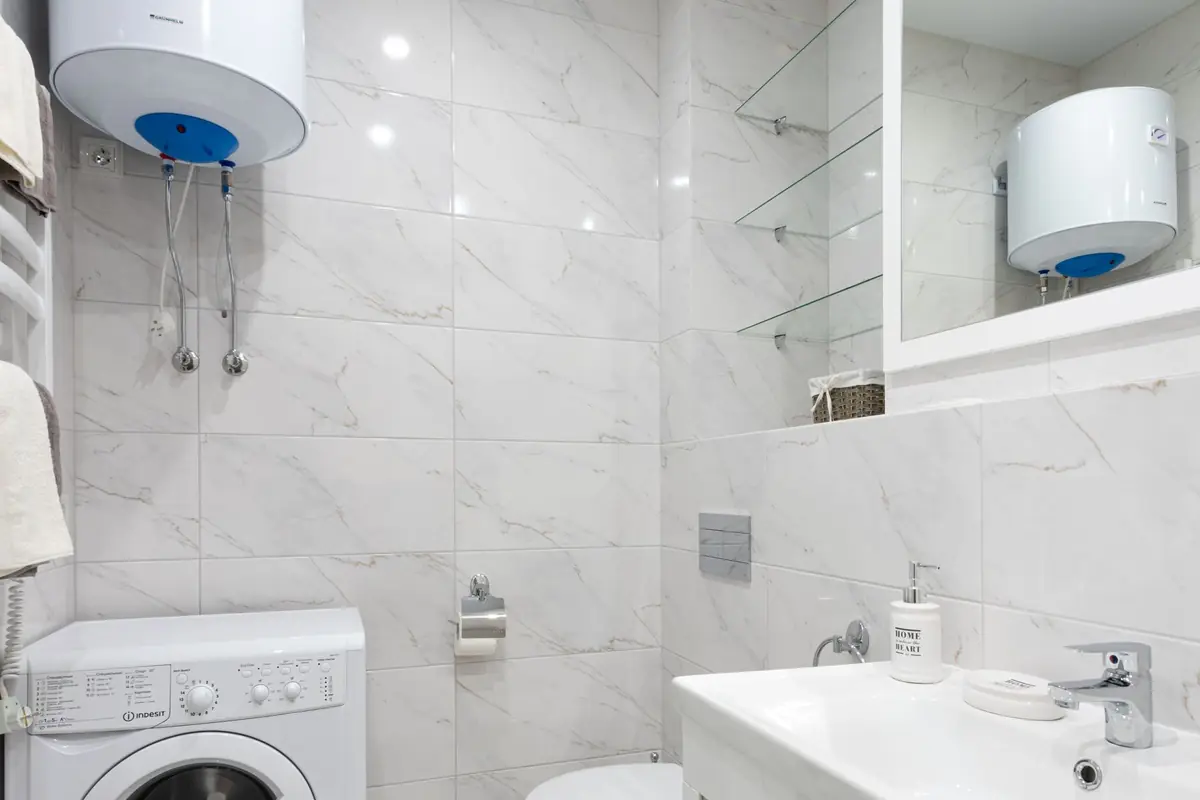
- Your tank failed and you need a quick, affordable replacement
- Installing tankless would require a panel upgrade or major gas work
- You live in a cold climate with high simultaneous hot water use and a modest budget
- You have very hard water and don’t want to descale regularly
Don’t forget heat pump water heaters
If energy efficiency is your goal, a heat pump water heater is worth a look. It’s a tank heater that uses a heat pump instead of a heating element and can use far less electricity than a standard electric tank. It needs more space and works best in a garage or basement.
Next steps
- Work out what size tankless water heater you need
- Compare the best electric tankless water heaters
- Just want hot water at one sink? See the best instant hot water dispensers
Still wondering?
Do tankless water heaters really save money? They use less energy, and they last longer. Whether that outweighs the higher upfront cost depends on your installation costs and hot water use.
Do tankless heaters give instant hot water? Not exactly. The water still needs to travel through the pipes, so you may wait about as long as with a tank. They provide continuous hot water, not instant.
Is a tankless water heater worth it for a small household? Smaller households see the biggest percentage savings, according to the Department of Energy, but also use less hot water overall, so the dollar savings may be small.