How to Clean a Dryer Vent Yourself (Step by Step)
Lint in the dryer vent is the leading cause of home dryer fires, and it makes every load take longer. Here's how to tell your vent is clogged, how to clean it from both ends in about an hour, and when to call a pro instead.

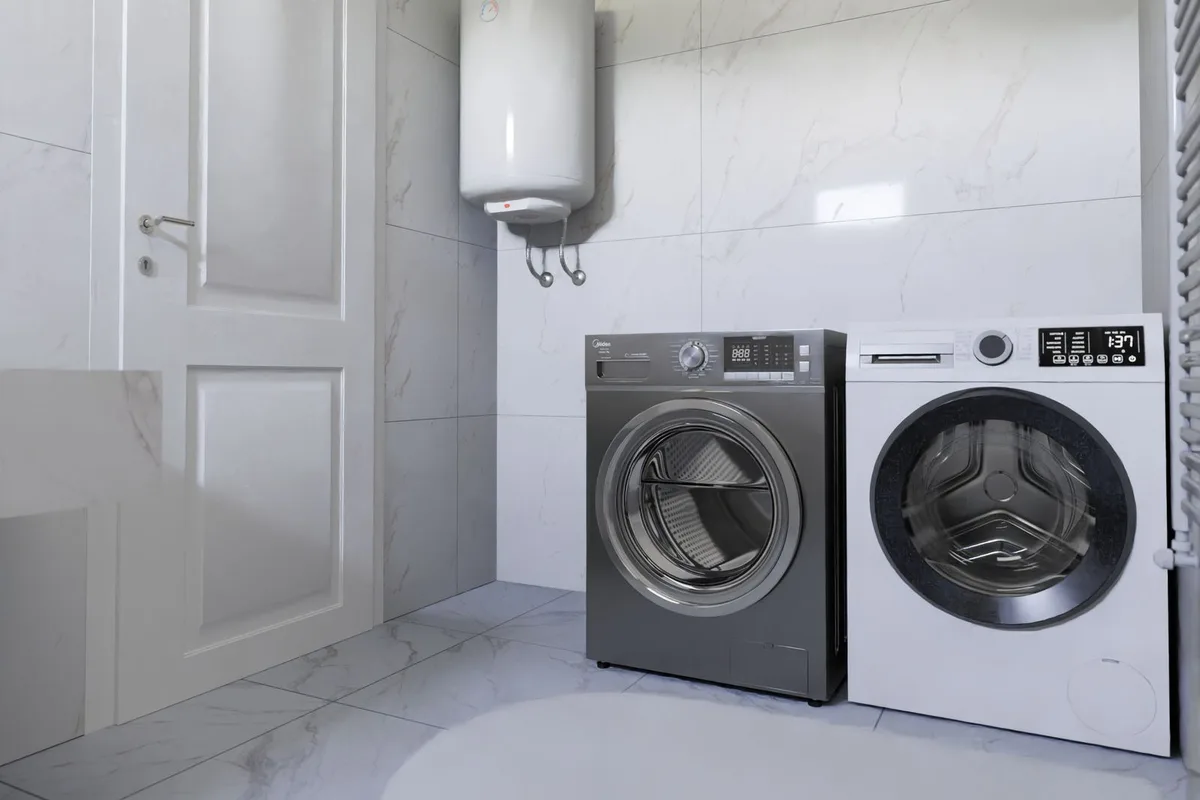
Cleaning the lint screen after every load is a good habit, but it doesn’t catch everything. Fine lint slips past the screen and builds up in the duct that carries hot, damp air from the back of the dryer to the outside of the house. Over time that lint narrows the duct, the dryer runs hotter and longer, and the lint itself becomes fuel.
This isn’t a small risk. The U.S. Fire Administration estimates about 2,900 clothes dryer fires happen in homes each year, and “failure to clean” is the leading factor behind them. The good news is that cleaning a dryer vent is a job most people can do in about an hour, with a vacuum and a vent brush.
Signs your dryer vent needs cleaning
Clean the vent at least once a year, and sooner if you notice any of these:
- Clothes take more than one cycle to dry, or come out hot but still damp.
- The top of the dryer or the laundry room gets unusually hot while it runs.
- You smell something hot or burning during a load.
- The flap on the outside vent barely opens, or you feel weak airflow out there with the dryer running.
- There’s lint around the outside vent opening, or behind the dryer.
- It’s been more than a year, or you have a big household that runs the dryer every day.
What you’ll need
- A vacuum with a hose and a crevice tool
- A dryer vent cleaning brush on a flexible rod (the kind that screws together in sections and attaches to a drill)
- A screwdriver or nut driver for the duct clamps
- Foil tape (not cloth duct tape) to reseal joints if needed
- Work gloves and a dust mask
- For a gas dryer, an adjustable wrench in case you need to move the gas line, and soapy water to check for leaks after
Step 1: Unplug the dryer and pull it out
Unplug the dryer. If it’s gas, turn the gas shutoff valve behind it to off (the handle sits crosswise to the pipe when it’s closed). Then slide the dryer out slowly so you don’t kink or yank the gas line or the duct. Most dryers have about 4 to 6 feet of room behind them once they’re pulled out.
Step 2: Disconnect the duct from the dryer
Find where the flexible duct meets the back of the dryer. Loosen the clamp and pull the duct off the dryer’s exhaust outlet. Then disconnect the other end from the duct opening in the wall. Take a look at the duct while it’s off. If it’s the thin white vinyl or foil accordion type, plan to replace it (more on that below).
Step 3: Clean the dryer’s exhaust outlet and lint trap housing
Vacuum out the exhaust outlet on the back of the dryer as far in as the crevice tool will reach. Then pull out the lint screen and vacuum the slot it sits in. A lot of lint collects down in that slot. A long, thin lint brush helps here. Wash the lint screen in warm, soapy water too. Dryer sheets can leave a waxy film on it that blocks airflow even when it looks clean.
Step 4: Brush out the vent from inside
Push the vent brush into the duct opening in the wall and work it toward the outside, spinning it as you go. If your kit attaches to a drill, run the drill slowly and always clockwise, so the rod sections don’t unscrew and get stuck in the duct. Pull the brush back out every few feet and vacuum up the lint it brings with it. Keep adding rod sections until you reach the outside.
Clean the flexible duct you took off too. Brush it or shake it out outside, then vacuum it.
Step 5: Clean the outside vent
Go outside and find the vent cover on the wall. Remove any lint you can see around the flap or louvers. Then run the brush in from the outside end to loosen whatever the first pass missed. Make sure the flap swings freely.
One thing to check: the outside vent should not have a screen over it. Screens catch lint and clog fast. The building code requires a backdraft damper on the outside vent and doesn’t allow screens. If yours has a bird screen, swap the cover for one with a flap or louvers.
Step 6: Reconnect everything and test it
Reattach the duct to the wall and the dryer, and tighten the clamps. Seal any loose joints with foil tape, not screws, since screw tips poke into the duct and snag lint. Push the dryer back carefully without crushing the duct behind it. Plug it in, turn the gas back on if needed, and check gas fittings with soapy water. Bubbles mean a leak. Run the dryer on an air-only or low heat setting and go outside. You should feel strong airflow and see the flap open wide.
Fix the duct while you’re back there
A lot of clogged vents are really duct problems. While the dryer is pulled out, check these:
- Use metal duct. The concealed duct inside walls should be rigid metal. The short connector between the dryer and the wall should be a listed metal transition duct, no more than 8 feet long. The thin white vinyl accordion type is a fire hazard and isn’t allowed by most codes.
- Avoid crushing and kinks. A duct that’s squashed behind the dryer slows airflow as badly as lint does. Leave enough space, or use a low-profile periscope connector in a tight spot.
- Keep the run short. The International Residential Code limits a standard 4-inch dryer duct to 35 feet, minus 2.5 feet for every 45-degree bend and 5 feet for every 90-degree bend, unless the dryer maker allows more. A long duct with lots of bends clogs faster.
- Vent outside only. The duct must end outside the house, not in the attic, crawl space or garage.
When to call a pro
Do it yourself if the duct is short and runs straight out the wall behind the dryer. Call a dryer vent cleaning company if:
- The vent runs through the attic or up to the roof.
- The run is long or has several bends you can’t reach with your brush.
- You find a bird’s nest or a blockage your brush can’t clear.
- The dryer still takes too long after you’ve cleaned everything. The dryer itself may need service.
Frequently asked questions
How often should you clean a dryer vent?
At least once a year for most homes. Do it more often if you have a big family, run the dryer daily, dry lots of towels or pet bedding, or have a long vent run.
Can you clean a dryer vent with a leaf blower?
Some people blow the duct out from inside with a leaf blower after disconnecting it from the dryer. It can push loose lint out, but it won’t break up packed lint the way a brush does. Brush first, then blow it out if you like.
Does a clean dryer vent save money?
It can. A clogged vent makes the dryer run longer to dry each load, which uses more electricity or gas. A clean vent lets clothes dry in one cycle again.
Why does my dryer still take forever after I cleaned the vent?
Check the outside flap for a screen or a stuck flap, look for a crushed duct behind the dryer, and make sure the lint screen is clean and not coated with dryer-sheet film. If it’s still slow, the dryer’s heating element, thermostat or gas igniter may need repair.