The 5 Best Automatic Espresso Machines (Bean-to-Cup) for Lattes at Home
Five automatic espresso machines worth buying, picked from TechRadar, Tom's Guide, Popular Science and Whole Latte Love reviews: the best overall, a value pick, a quiet compact model, a plant-milk pick and an easy budget machine.

We may earn a commission if you buy through links on this page. It never changes what we recommend. As an Amazon Associate we earn from qualifying purchases. Learn more.
Our top picks at a glance
- Check Amazon Price
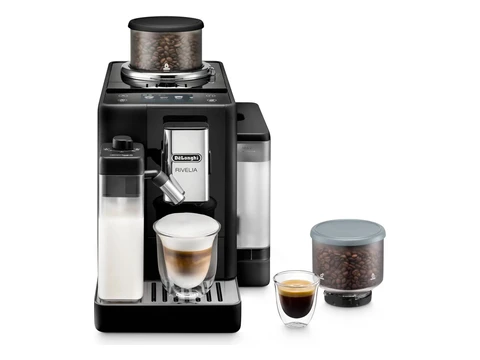
Two bean hoppers you can swap, a guided Bean Adapt setup for each bean, 18 drinks and an automatic LatteCrema Hot milk carafe. Read more
Pros
- Rich crema and near-perfectly foamed milk in TechRadar's test
- Two swappable bean hoppers
- 13-setting burr grinder
- User profiles save everyone's drink
Cons
- Pricey
- Cold foam drinks need an add-on sold separately
- Milk carafe is a little fiddly to clean
- Hot water tops out around 176°F
- Check Amazon Price
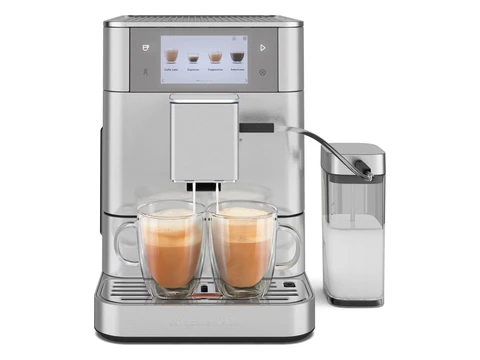
A dedicated plant milk setting that foamed almond milk even silkier than dairy in TechRadar's test, plus consistently excellent espresso. Read more
Pros
- Plant milk mode
- Covered milk container
- Brews with beans or pre-ground coffee
- Averaged about 44 dB in TechRadar's test
Cons
- Highest price here by far
- Default latte and cappuccino are small
- Deep clean cycle takes a long time
- Check Amazon Price
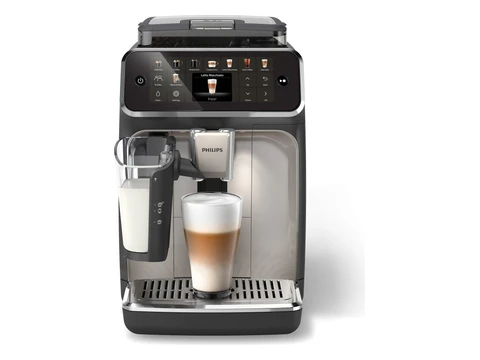
One of the quietest and narrowest machines TechRadar has tested, with 20 hot and iced drinks and the easy two-part LatteGo milk jug. Read more
Pros
- Very quiet grinder and milk system
- Just 9.7 inches wide
- 20 hot and iced drinks
- 4 user profiles
Cons
- Iced drinks are hot espresso over ice
- Milk spout doesn't adjust
- 1.8-liter tank is on the small side
- Check Amazon Price
Seven one-touch drinks, a 13-setting conical burr grinder and a LatteCrema milk system that made light, airy froth in Whole Latte Love's review. Read more
Pros
- Light and airy milk froth that didn't taste burnt
- Milk container marked for each drink
- Picture buttons that are easy to use
- Often on sale
Cons
- Can't change how foamy the milk is
- Painted plastic body
- First setup took about 30 minutes
- Check Amazon Price
Five drinks, a ceramic grinder and a two-part LatteGo milk jug with no tubes that goes in the dishwasher. Read more
Pros
- Two-part milk jug with no tubes
- Up to 5
- 000 cups without descaling with the AquaClean filter
- Simple touch display
- Often on sale
Cons
- Feels plasticky
- Milk isn't as good as pricier machines
- Only 5 drinks
Here’s something Tom’s Guide’s coffee testers say about automatic espresso machines: when they test them, they frequently find the finished cup just tastes bad. So the goal isn’t the machine with the most buttons. It’s one that makes a cup you actually want every morning, and that you’ll keep clean enough to keep making it.
I went through the hands-on reviews from TechRadar, Tom’s Guide, Popular Science and Whole Latte Love, plus every maker’s spec sheet and manual, to get to these five.
Quick comparison
| Machine | Drinks | Milk system | Best for | Approx. price |
|---|---|---|---|---|
| De’Longhi Rivelia | 18 | LatteCrema Hot carafe | Best overall | $1,200 to $1,500 |
| KitchenAid KF8 | 40+ recipe options | Covered container, plant milk mode | Plant milk | $2,000 |
| Philips 5500 LatteGo | 20 hot and iced | Two-part LatteGo jug | Quiet, small kitchens | $900 |
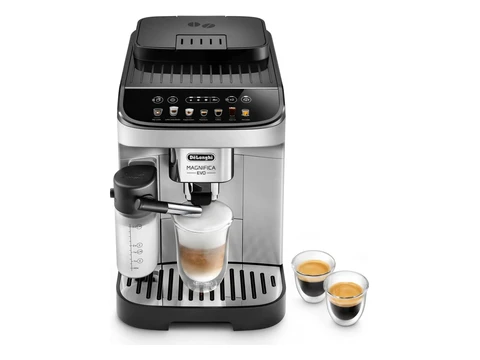
| De’Longhi Magnifica Evo (ECAM29084SB) | 7 | LatteCrema carafe | Best value | $550 on sale, $900 list |
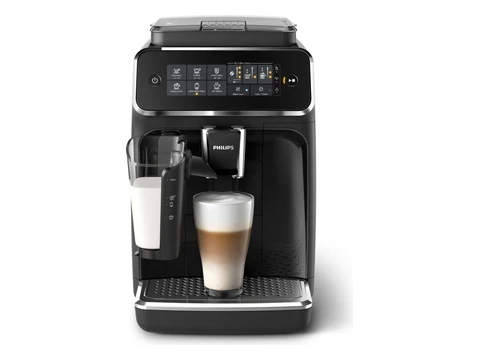
| Philips 3200 LatteGo | 5 | Two-part LatteGo jug | Easy cleaning on a budget | $600 |
Test results are from TechRadar, Tom's Guide, Popular Science and Whole Latte Love. Prices are typical November 2026 prices and change often.
1. De’Longhi Rivelia: Best overall
Best for: Households that want great coffee and milk drinks with almost no effort.
What sets the Rivelia apart is its two bean hoppers. You can swap them in and out, so you can keep a dark roast for the morning and decaf for the afternoon. Its Bean Adapt feature walks you through setting the grind and temperature for each bean and then remembers it. There are 18 drinks on the menu, a 13-setting burr grinder, and user profiles so everyone’s drink comes out their way.
TechRadar found rich crema on every shot and near-perfectly foamed milk, and Popular Science called it quick, quiet and easy to use.
What bugs us: It’s pricey. Cold foam drinks need the LatteCrema Cool add-on, which is sold separately. TechRadar found the milk carafe a little fiddly to clean, and the hot water tops out at about 176°F, which is too cool for most black teas.
Skip it if: you mostly drink straight espresso and don’t need two hoppers. The Magnifica Evo costs far less.
2. KitchenAid KF8: Best for plant milk
Best for: Homes that run on oat or almond milk.
Tom’s Guide says it doesn’t usually rate automatic machines highly, but the KF8 surprised its testers, and TechRadar called its espresso consistently excellent. It has a separate setting for plant milk, and in TechRadar’s tests almond milk foamed even silkier than dairy. The milk container stays covered, it can brew with beans or pre-ground coffee, and TechRadar measured an average of about 44 decibels while it made a latte, roughly library quiet.
What bugs us: The price, which is the highest here by far. The default latte and cappuccino sizes are small until you change them, and the deep clean cycle takes a long time.
Skip it if: you drink dairy milk. The Rivelia makes great milk drinks for less.
3. Philips 5500 Series LatteGo: Quietest and most compact
Best for: One or two people, small kitchens and early mornings.
TechRadar’s reviewer said it was one of the quietest espresso machines they’ve tested, with both the grinder and the milk system making very little noise. At 9.7 inches wide, it’s also one of the narrowest. There are 20 hot and iced drinks, four user profiles and a two-part LatteGo milk jug that’s easy to rinse or put in the dishwasher. TechRadar found it made well-extracted espresso and thick, creamy foam from both dairy and oat milk.
What bugs us: The iced drinks are hot espresso poured over ice, so they can taste watered down. The milk spout doesn’t move, so your cup has to sit further forward than you’d expect, and the 1.8-liter water tank is on the small side.
Skip it if: you drink a lot of iced coffee.
4. De’Longhi Magnifica Evo with LatteCrema: Best value
Best for: Getting automatic lattes and cappuccinos for the least money.
Make sure it’s the ECAM29084SB with LatteCrema. The similar ECAM29043SB has a manual steam wand instead. This one has seven one-touch drinks, each with its own colored picture, and a built-in conical burr grinder with 13 settings. Whole Latte Love’s reviewer was pleasantly surprised by the milk: light and airy froth that didn’t taste burnt. The milk container is marked for each drink, so you know how much to pour.
What bugs us: You can’t change how foamy the milk is, so if you want more milk and less froth, you’re out of luck. The body is painted plastic, and the first setup took that reviewer about 30 minutes.
Skip it if: you share the machine with people who each like their drink differently. The Rivelia’s profiles make that easier.
5. Philips 3200 Series LatteGo: Easiest to clean
Best for: A simple, low-maintenance machine on a budget.
It makes five drinks, including espresso, cappuccino and latte macchiato, and grinds the beans fresh with a ceramic grinder. The LatteGo milk jug is just two parts with no tubes, so you rinse it under the tap or put it in the dishwasher. With Philips’ AquaClean filter, you can go up to 5,000 cups without descaling, as long as you replace the filter when the machine asks.
What bugs us: Tom’s Guide called it plasticky and said its milk can’t compete with pricier machines. Five drinks is also the shortest menu here.
Skip it if: you want iced drinks or lots of options. The Philips 5500 has 20.
Our research
We relied on hands-on reviews from TechRadar (Rivelia, KitchenAid KF8 and Philips 5500), Tom’s Guide (its espresso machine testing, the KF8 and the Philips 3200), Popular Science (Rivelia) and Whole Latte Love (Magnifica Evo), plus each maker’s spec sheets and manuals. We focused on:
- The coffee and the milk, since that’s what you taste every day
- Cleaning, because a machine that’s a chore to clean stops getting used
- Noise and size for small kitchens and early mornings
- Price, including how often a machine goes on sale
We haven’t tested these ourselves. Prices are typical November 2026 prices and change often. Read more about how we pick products.
The grinder rule that fixes a lot of bad cups
A lot of bad cups come down to the grind, and both Philips and De’Longhi spell out the fix in their support pages:
- Only turn the grind dial while the grinder is running. On Philips machines, the dial only works while it’s grinding.
- Move one notch at a time. Bigger jumps can damage the grinder.
- Make two or three drinks before you judge it. The old grounds have to clear out first.
- Watery coffee? Go one notch finer. If the coffee barely drips out, go one notch coarser.
Short answers
What’s the difference between automatic and super-automatic? The names get mixed up. All five machines here grind, dose, tamp and brew with one touch, which most people call super-automatic or bean-to-cup.
Do automatic machines steam milk like a café? Not quite. Tom’s Guide points out that automatic milk systems heat milk and add air rather than truly steaming it. The foam is good for lattes and cappuccinos, but it won’t match a barista’s flat white.
How often do I need to clean one? Rinse the milk system after every use and empty the grounds bin and drip tray when the machine asks. Descaling and deep cleaning depend on your water and the model, so follow the machine’s prompts.