Cold Brew Coffee Makers Worth Buying (Glass, Less Plastic)
Our picks for the best cold brew coffee makers, including a glass mason jar with a stainless filter, the OXO that tasters loved and the big-batch Toddy.

We may earn a commission if you buy through links on this page. It never changes what we recommend. As an Amazon Associate we earn from qualifying purchases. Learn more.
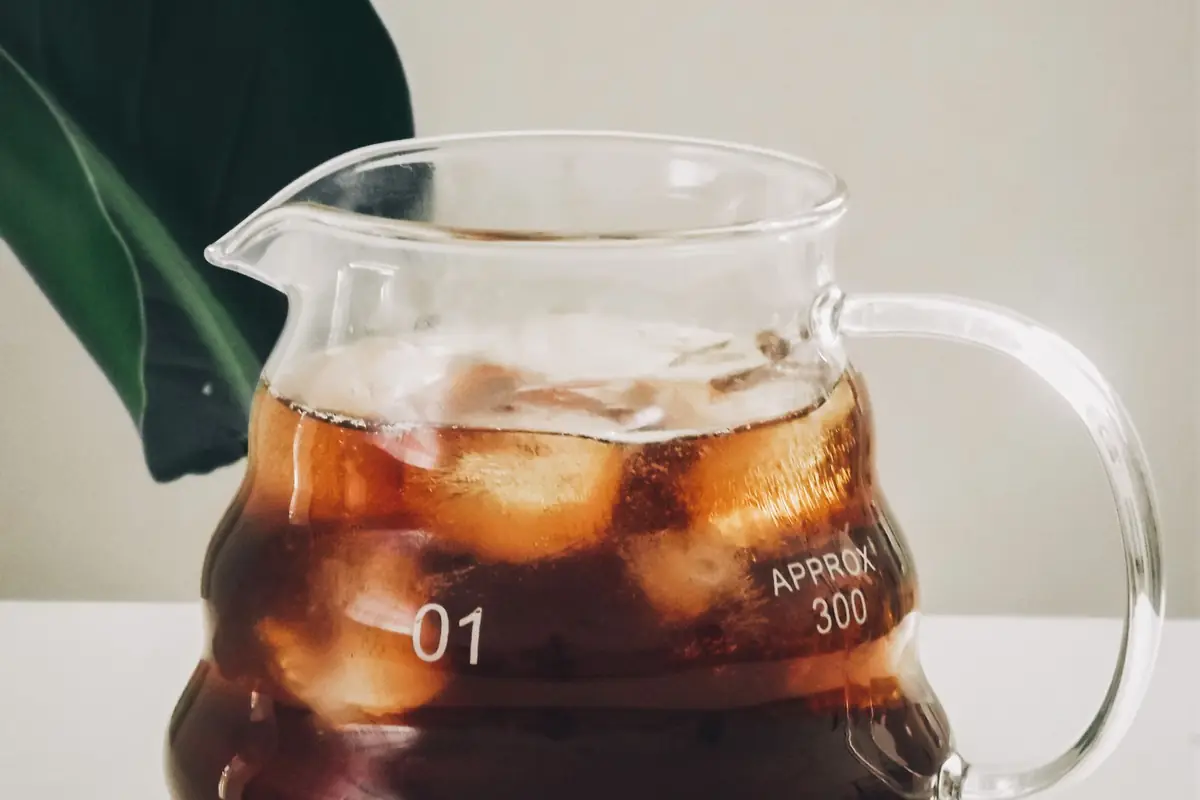
Our top picks at a glance
1 Least plastic
County Line Kitchen Cold Brew Mason Jar
About $25
A glass mason jar with a stainless steel mesh filter. Only the lid is plastic. Read more
Pros
- Glass jar and steel filter
- Airtight lid
- Inexpensive
Cons
- Plastic lid
- Some fine sediment
2 Best tasting
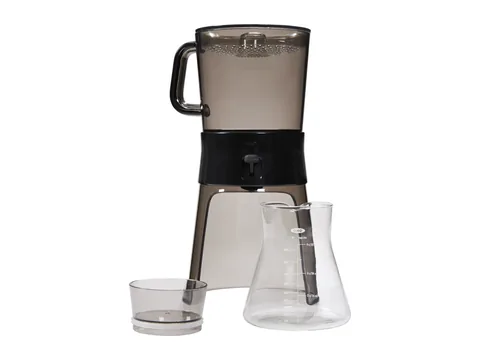
OXO Good Grips 32 oz Cold Brew Maker
About $60
Food Network's top pick for smooth, well-extracted concentrate that stores in a glass carafe. Read more
Pros
- Excellent flavor in testing
- Glass carafe for storage
- Easy to use
Cons
- Plastic brewing container
- Paper filters add cost
3 Best for big batches
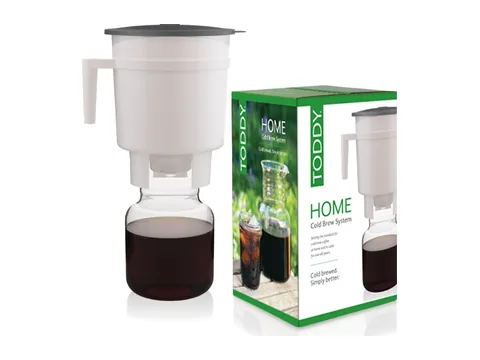
Toddy Cold Brew System
About $45 to $49
The classic big-batch brewer, making up to about 19 drinks' worth of concentrate. Read more
Pros
- Large batches
- Low price
- Reusable felt filters
Cons
- Plastic brewing container
- More steps
4 Best looking
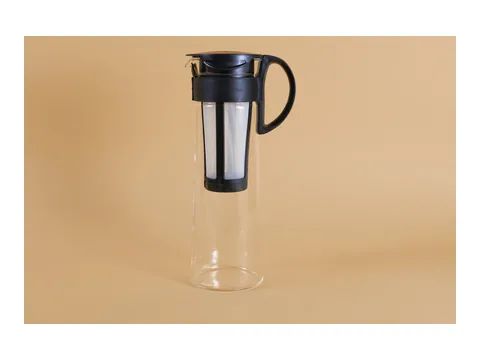
Hario Mizudashi
About $21
A slim glass pitcher with a fine mesh filter, sized to fit a fridge door. Read more
Pros
- Heat-resistant glass pitcher
- Pours cleanly
- Inexpensive
Cons
- Plastic and nylon filter
- Lid isn't airtight
Cold brew is coffee steeped in cold water for 12 to 24 hours. It comes out smooth and low in bitterness, and a batch of concentrate lasts about a week or two in the fridge. You don’t need anything fancy to make it, but a good brewer makes straining easier and the coffee cleaner.
Many cold brew makers are mostly plastic, and the coffee sits in them for a day. If you’d rather avoid that, our top pick is a glass jar with a steel filter.
At a glance
| Brewer | Container | Filter | Makes | Approx. price |
|---|---|---|---|---|
| County Line Kitchen | Glass jar | Stainless mesh | 1 or 2 qt | $25 |
| OXO 32 oz | Plastic brewer, glass carafe | Paper and mesh | 24 to 28 oz concentrate | $60 |
| Toddy | Plastic brewer, glass decanter | Felt or paper | 36 to 38 oz concentrate | $45 to $49 |
| Hario Mizudashi | Glass pitcher | Plastic frame, nylon mesh | About 1 L | $21 |
Test notes are from Food Network's cold brew testing and ShouldIt's comparison. Materials and prices are from manufacturer listings, checked October 2026.
1. County Line Kitchen Cold Brew Mason Jar: Least plastic
Good fit for: People who want to keep plastic away from their coffee while it steeps.
It’s a simple idea done well: a wide-mouth glass mason jar with a long stainless steel mesh filter that holds the grounds. Fill the filter, add water, steep, then lift the filter out. The lid seals with a silicone gasket, so the jar works for storage too. It comes in 1- and 2-quart sizes. In ShouldIt’s comparison, it scored higher for brew quality than the Hario.
What bugs us: The lid is plastic, though the coffee mostly sits in glass and steel. A steel mesh lets through some fine sediment, so pour gently or strain through a paper filter.
Skip it if: you want an easy-pour spout for serving. Look at the Hario.
2. OXO Good Grips 32 oz Cold Brew Maker: Best tasting
Good fit for: People who care most about flavor and want an easy process.
Food Network named the OXO its best overall cold brew maker. Its “Rainmaker” lid spreads water evenly over the grounds, which gave the best extraction in testing. When it’s done, a switch drains the coffee into a glass carafe that stores in the fridge.
What bugs us: The brewing container, where the coffee steeps, is plastic. It also uses paper filters, which add a small ongoing cost.
Skip it if: you want to avoid plastic while it steeps.
3. Toddy Cold Brew System: Best for big batches
Good fit for: Households that drink a lot of cold brew.
The Toddy has been around for decades. It makes about 36 to 38 ounces of concentrate, enough for up to 19 drinks, and in Food Network’s taste test it was nearly identical to the OXO. It comes with reusable felt filters and some paper ones.
What bugs us: The brewing container is plastic, and there are a few more steps than with the OXO.
Skip it if: you make cold brew only for yourself now and then.
4. Hario Mizudashi: Best looking
Good fit for: People who want a slim pitcher that fits in the fridge door and pours neatly.
The Mizudashi is a heat-resistant glass pitcher with a fine mesh filter that sits inside. It’s inexpensive and looks good on the table. It earned a perfect score for decanting in ShouldIt’s comparison and left the least sediment.
What bugs us: The filter’s frame is plastic and its mesh is nylon, and the lid is plastic and not airtight. ShouldIt also found its brew weaker than the County Line’s.
Skip it if: you want the strongest concentrate.
Our research
We compared cold brew makers using Food Network’s tasting tests, ShouldIt’s comparison scores and manufacturer listings. We focused on:
- Flavor and extraction
- Which materials the coffee touches while it steeps
- Batch size and storage
- Ease of straining and cleanup
- Price
We haven’t tested these ourselves. Read more about how we pick products.
How to make cold brew
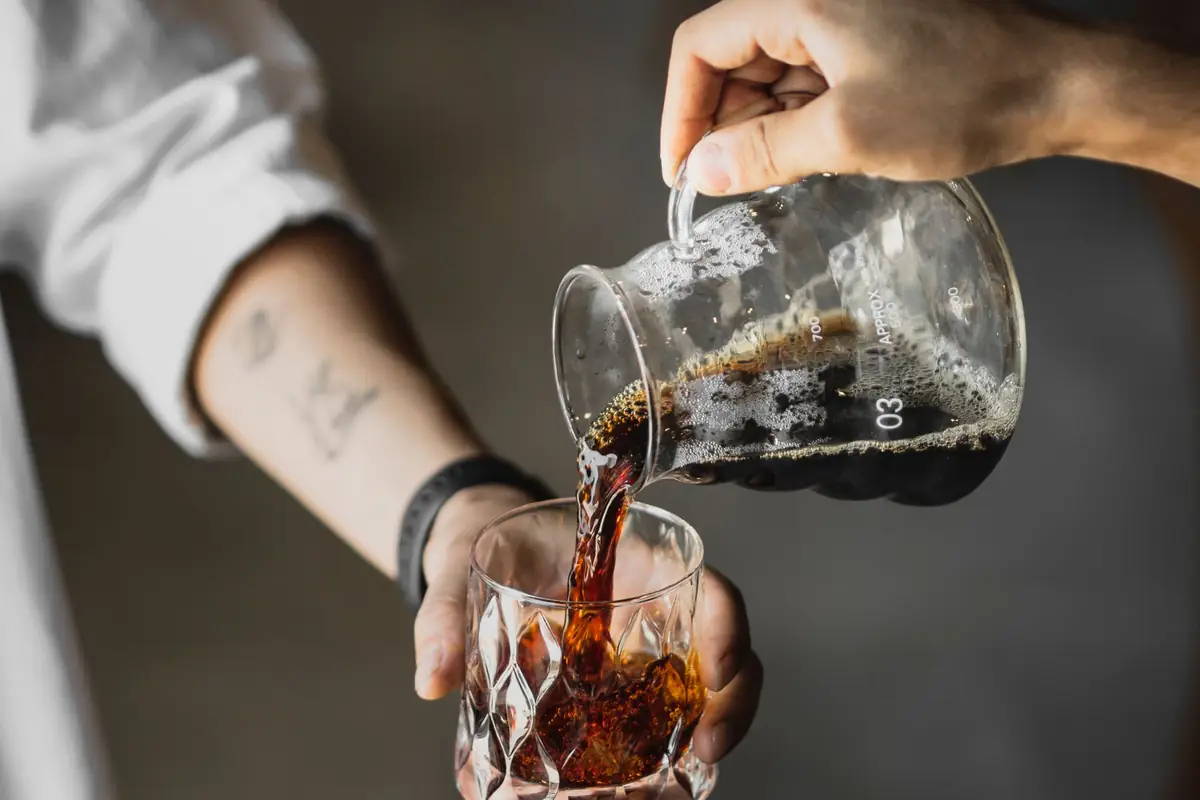
- Grind coarse. Use an extra-coarse grind, like cracked peppercorns. See the best grinders for French press and pour over.
- Use about 1 part coffee to 4 to 8 parts water by weight. Less water makes a stronger concentrate you’ll dilute later.
- Steep 12 to 24 hours in the fridge or on the counter.
- Strain and store the concentrate in the fridge.
- Dilute about 1 to 1 with water or milk, then adjust to taste.
Common questions
Can I make cold brew in a French press? Yes. A glass French press with a steel filter is a good plastic-light option, though it makes smaller batches.
How long does cold brew last? Concentrate keeps about 1 to 2 weeks in the fridge in a sealed container. Diluted coffee is best within a few days.
Is cold brew less acidic? It tastes smoother and less bitter, and many people find it easier on the stomach.