Top Kitchen Scales for Baking and Sourdough
A digital scale is the cheapest way to bake better bread. Our picks for the best kitchen scales for sourdough and everyday baking, plus what capacity and precision you actually need.

We may earn a commission if you buy through links on this page. It never changes what we recommend. As an Amazon Associate we earn from qualifying purchases. Learn more.
Our top picks at a glance
1 Best for bread
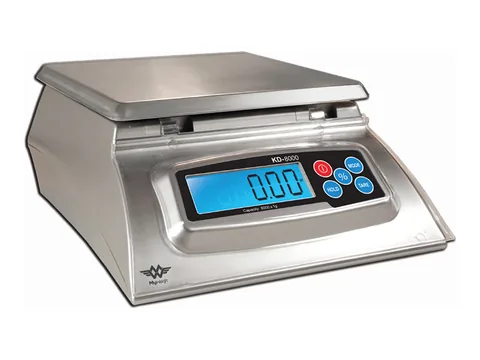
My Weigh KD-8000
About $46 to $59
A big-capacity bakery scale with a baker's percentage mode that does the recipe math for you. Read more
Pros
- Weighs up to about 17.6 lb
- Baker's percentage button
- Runs on batteries or a plug
Cons
- Bulky
- Fussy clear cover over the buttons
2 Easiest to read
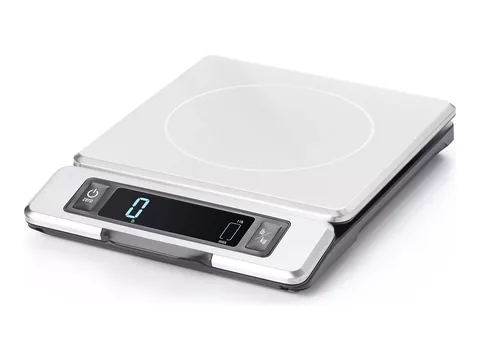
OXO Good Grips 11 lb Food Scale
About $65
A pull-out display you can read even when a big bowl covers the platform. Read more
Pros
- Pull-out display
- Removable stainless platform
- Simple controls
Cons
- Costs more than basic scales
- No baker's percentage
3 Best value
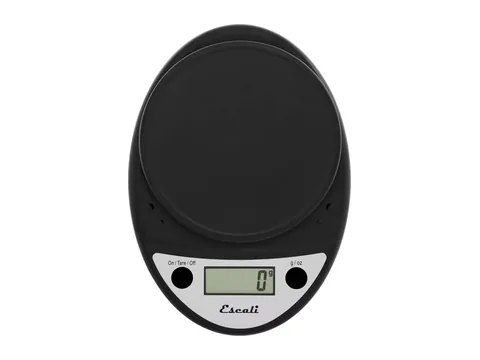
Escali Primo
About $25
A simple, slim scale that does the basics well at a low price. Read more
Pros
- Inexpensive
- 11 lb capacity
- Sealed buttons
Cons
- Display can hide under big bowls
- Basic features only
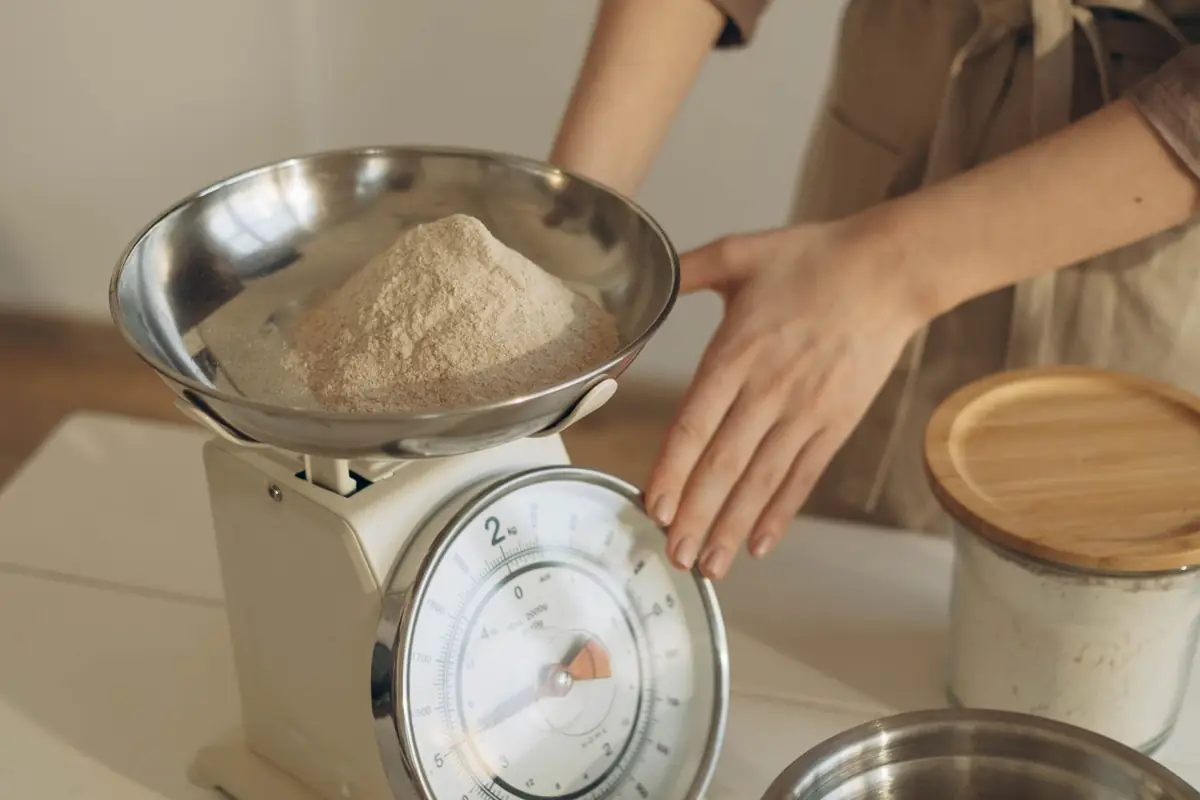
If you’re going to buy one thing to improve your bread, buy a scale. Sourdough recipes are written in grams for a reason: a cup of flour can weigh anywhere from about 120 to 150 grams depending on how you scoop it, and that difference is enough to turn a good loaf into a sticky mess or a dense one.
A scale also means fewer dishes. You can pour flour, water and starter straight into one bowl, pressing “tare” between each.
Side by side
| Scale | Capacity | Precision | Standout feature | Approx. price |
|---|---|---|---|---|
| My Weigh KD-8000 | 8 kg (about 17.6 lb) | 1 g | Baker’s percentage | $46 to $59 |
| OXO Good Grips 11 lb | 5 kg (11 lb) | 1 g | Pull-out display | $65 |
| Escali Primo | 5 kg (11 lb) | 1 g | Low price | $25 |
Specs and prices are from manufacturer listings and reviews, including Tom's Guide, checked October 2026.
How we picked
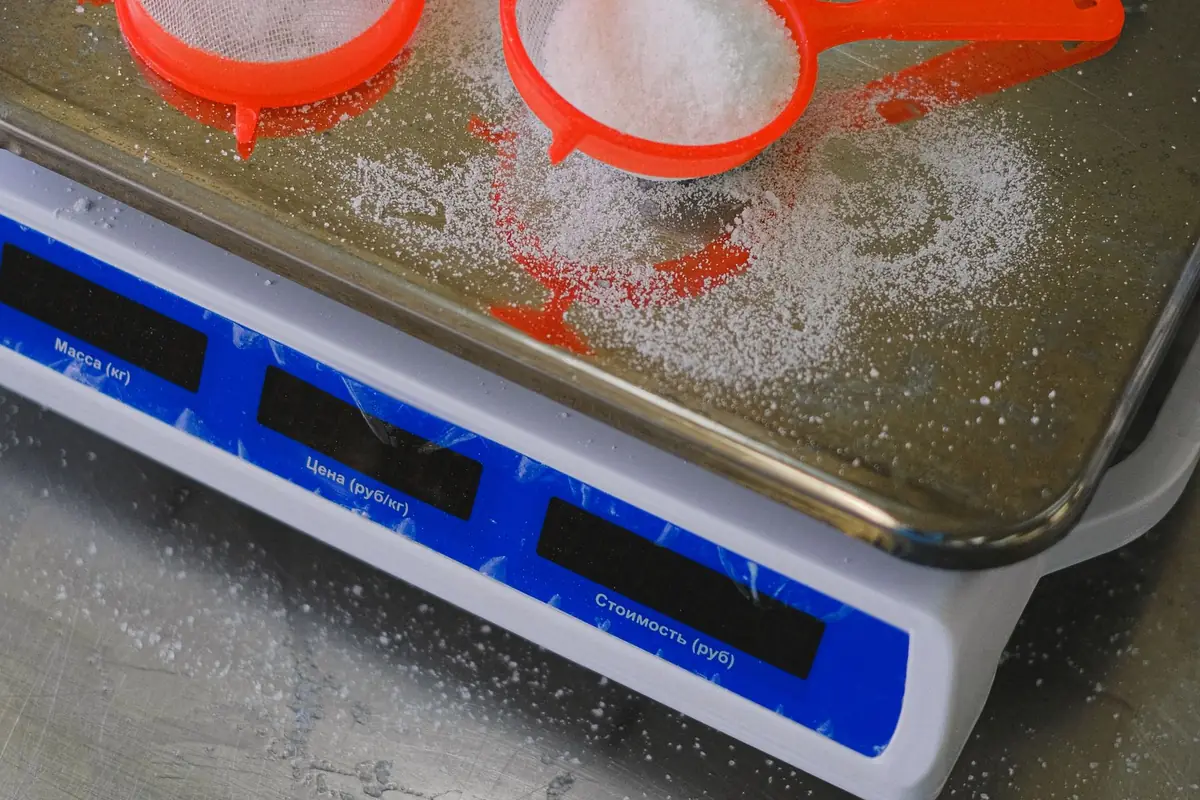
We compared scales using manufacturer specs and expert and owner reviews, focusing on what matters most for bread:
- Capacity, since a bowl plus dough can top 3 kilograms
- Precision of 1 gram or better
- Readability with a large bowl on top
- Baking features like tare and baker’s percentage
- Price
We haven’t tested these ourselves. Read more about how we pick products.
1. My Weigh KD-8000: Best for bread
Good fit for: Regular bread bakers, especially anyone who bakes more than one loaf at a time.
The KD-8000 is a favorite among bread bakers. It weighs up to 8 kilograms, so a big bowl of dough for two or three loaves is no problem. Its baker’s percentage mode lets you set the flour weight as 100% and then see every other ingredient as a percentage of it, which is how most serious bread recipes are written. It runs on AA batteries or the included power adapter.
What bugs us: It’s chunky, and Tom’s Guide’s reviewer found the clear plastic cover over the buttons awkward. The power cord can get in the way.
Skip it if: you bake only occasionally. The Escali does the basics for half the price.
2. OXO Good Grips 11 lb Food Scale: Easiest to read
Good fit for: Anyone who’s ever had a mixing bowl hide the display.
The OXO’s display pulls out from the base, so you can still read it when a wide bowl or a Dutch oven sits on top. The stainless platform lifts off for cleaning, and the controls are simple.
What bugs us: It costs more than basic scales, and it doesn’t have baker’s percentage.
Skip it if: your bowls are small enough to leave the display uncovered.
3. Escali Primo: Best value
Good fit for: New bakers and anyone who wants a dependable scale without spending much.
The Primo has been a go-to budget scale for years. It weighs up to 11 pounds in 1-gram steps, has sealed buttons that handle flour dust and splashes, and keeps things simple.
What bugs us: Large bowls can cover the display, and there are no extras.
Skip it if: you want baker’s percentage or bake big batches.
What to look for in a baking scale
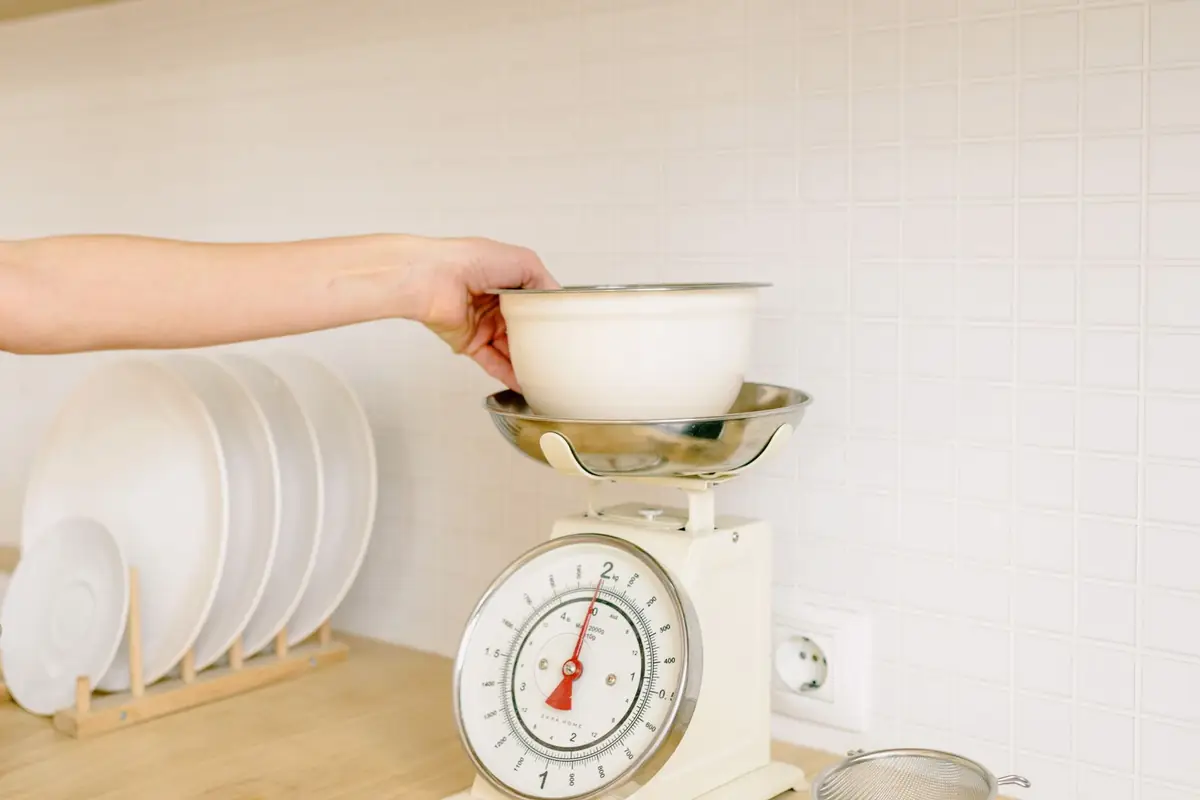
Capacity
Look for at least 5 kilograms (11 pounds). Remember the bowl counts toward the limit, and a heavy ceramic bowl or a cast iron pot can weigh several pounds on its own.
Precision
Most kitchen scales measure in 1-gram steps, which is fine for flour, water and starter. Salt and yeast in small amounts are harder to measure on a 1-gram scale. If you bake a lot, a small pocket scale that reads to 0.1 gram is a cheap add-on for those.
Tare and units
Every scale here has a tare button to zero out the bowl. Make sure it switches easily between grams and ounces.
Power
Scales that switch off quickly can be frustrating during a long mix. Check the auto-off time, or choose a scale that can run on a plug.
Still wondering?
Do I need a scale for sourdough? It’s not strictly required, but nearly every good sourdough recipe is written in grams, and weighing is far more accurate than cups.
How do I weigh my starter? Put the bowl on the scale, press tare, then add starter until you hit the recipe’s weight. Press tare again before adding the next ingredient.
What else do I need for sourdough? A covered pot for baking. See the best Dutch ovens for sourdough. If you want help with kneading, see the best stand mixers for bread dough.