Best Wireless Meat Thermometers for Smoking
A good wireless probe lets you watch a 12-hour brisket from the couch. Our picks, from the eight-sensor Combustion to the budget ThermoPro TempSpike.

We may earn a commission if you buy through links on this page. It never changes what we recommend. As an Amazon Associate we earn from qualifying purchases. Learn more.
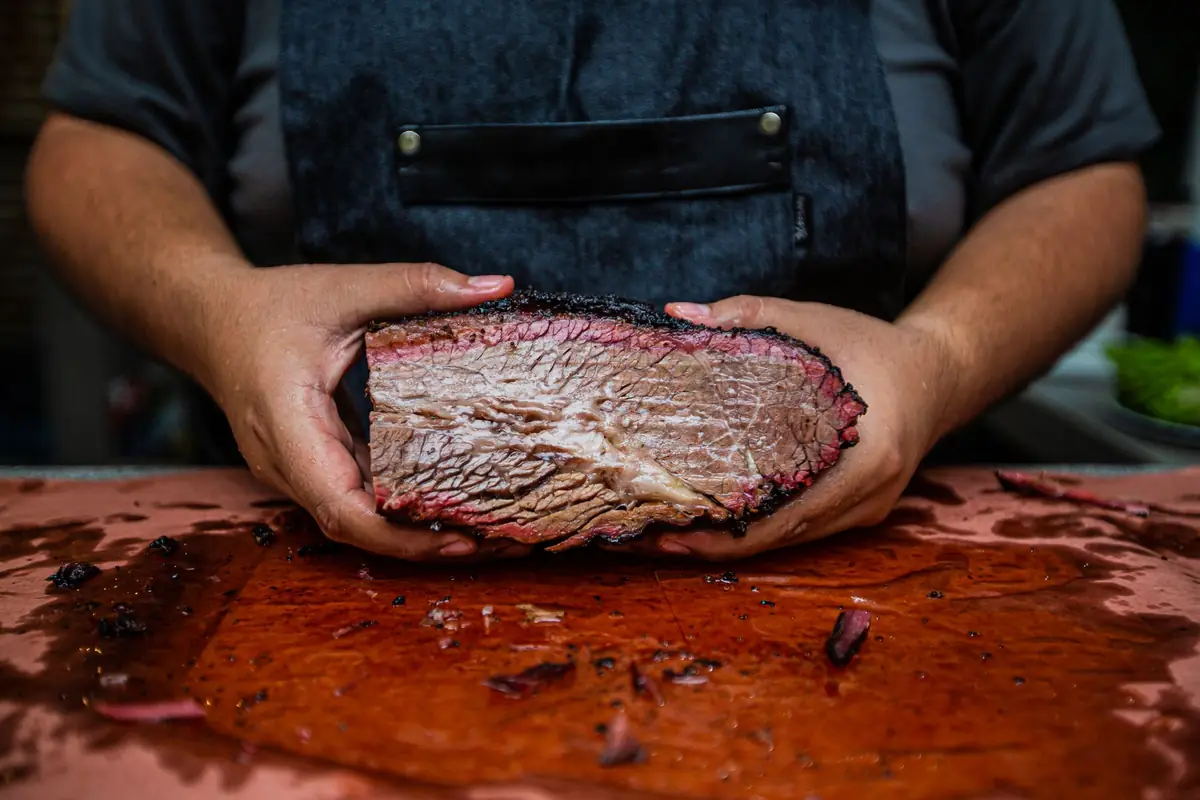
Our top picks at a glance
1 Best overall
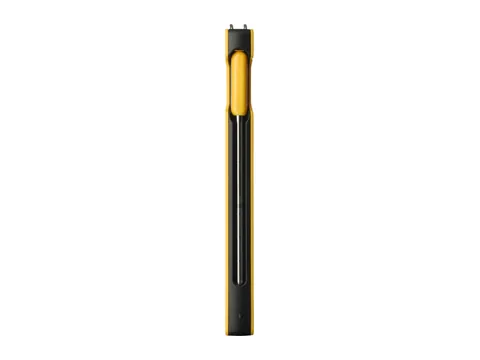
Combustion Predictive Thermometer
Eight sensors per probe find the true center of the meat and predict when it'll be done. Read more
Pros
- Eight sensors per probe
- Accurate predictions
- Long battery life
Cons
- App takes some learning
- Several pieces of hardware
2 Best app
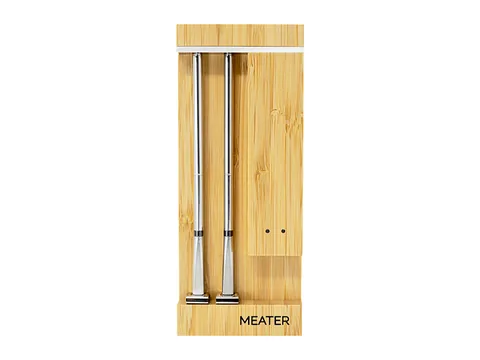
Meater Pro Duo
Two wire-free probes and the most polished, easiest app for beginners. Read more
Pros
- Wire-free
- Easy app with alerts and graphs
- Ambient and internal temps
Cons
- Long probe is awkward in small cuts
- Pricey
3 Best budget
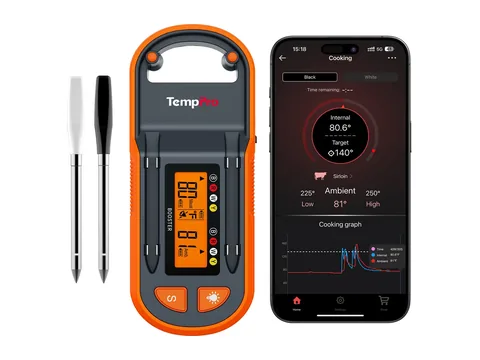
ThermoPro Twin TempSpike Plus
Two wire-free probes that show readings right on the base, no app or WiFi needed. Read more
Pros
- Inexpensive
- No app needed
- Very heat-tolerant handle
Cons
- No WiFi or cloud access
- Probe must go in fully
4 Best for long range
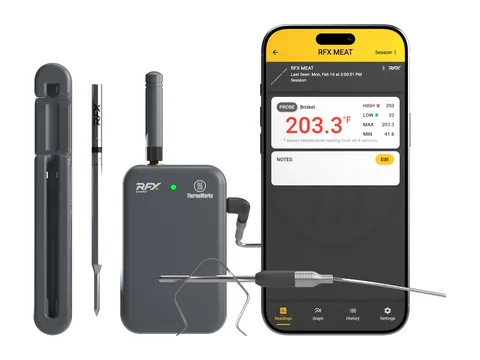
ThermoWorks RFX
A strong radio signal and a separate wired probe for accurate grill temperatures. Read more
Pros
- Strong 433 MHz signal
- Separate ambient probe
- Web portal
Cons
- Needs a gateway
- App still being developed
Smoking a brisket or pork shoulder can take 10 to 14 hours. Opening the lid to check the temperature lets heat and smoke out and adds time. A wireless thermometer sits in the meat the whole cook and sends the temperature to your phone or a display, so you can mow the lawn, watch the game or sleep.
All four picks are accurate. In AmazingRibs’ testing, every model it compared read within 1 to 2°F. What separates them is range, apps, sensors and price.
The picks compared
| Thermometer | Probes | Sensors per probe | Max handle temp | Connection |
|---|---|---|---|---|
| Combustion Predictive | Up to 4 | 8 | 900°F | Bluetooth, WiFi via display |
| Meater Pro Duo | 2 | 6 | 1,000°F | Bluetooth, WiFi via charger |
| ThermoPro Twin TempSpike Plus | 2 | 2 | 1,050°F | Bluetooth with booster |
| ThermoWorks RFX | Varies | 4 at tip, plus wired ambient probe | n/a | 433 MHz radio, WiFi via gateway |
Specs and findings are from AmazingRibs' comparison of wireless thermometers and Outdoor Life's testing. Prices vary by bundle and change often; we've left them out so they don't go stale.
1. Combustion Predictive Thermometer: Best overall
Who it’s for: Serious barbecue cooks who want the most precise readings.
AmazingRibs gave the Combustion its top Platinum rating. Each probe has eight sensors: four near the tip and four toward the handle. That lets it find the coolest point in the meat, the true center, even if your probe isn’t perfectly placed. It also predicts when your meat will be done. The probes are moisture-proof, and battery life is long.
What bugs us: The app has a learning curve, and it uses several pieces of hardware: probes, a booster and a display.
Skip it if: you want the simplest setup.
2. Meater Pro Duo: Best app
Who it’s for: Beginners and anyone who wants an easy, guided app.
Meater made wire-free probes popular. The Pro Duo has two probes with six sensors each, reads both meat and grill temperature, and its app offers presets, custom alerts and graphs. Its charging cradle connects to WiFi so you can check from anywhere. Outdoor Life found the Meater’s ambient reading even warned its tester when his pellet grill ran out of pellets.
What bugs us: It’s expensive, and the long probe is hard to use in thin or small cuts.
Skip it if: you mostly cook thin steaks or chicken pieces.
3. ThermoPro Twin TempSpike Plus: Best budget
Who it’s for: Anyone who wants wire-free probes without a big price tag or an app.
The TempSpike shows temperatures right on its booster base, so you don’t need a phone or app at all. It has two color-coded probes, and its handle tolerates very high heat. Outdoor Life found it accurate and very easy to use.
What bugs us: There’s no WiFi or cloud access, so you can’t check it from far away, and the probe must be inserted fully to protect the handle.
Skip it if: you want to check your cook from work or the store.
4. ThermoWorks RFX: Best for long range
Who it’s for: People whose smoker sits far from the house, or who want separate grill readings.
ThermoWorks is known for accurate thermometers. The RFX uses a 433 MHz radio signal, which passes through walls better than Bluetooth, and a gateway that connects to WiFi. Unlike most wire-free probes, it pairs with a separate wired ambient probe for an accurate grill temperature. It also has a web portal.
What bugs us: You need the gateway, and AmazingRibs noted the app was still being developed.
Skip it if: you want everything in one simple box.
Our research
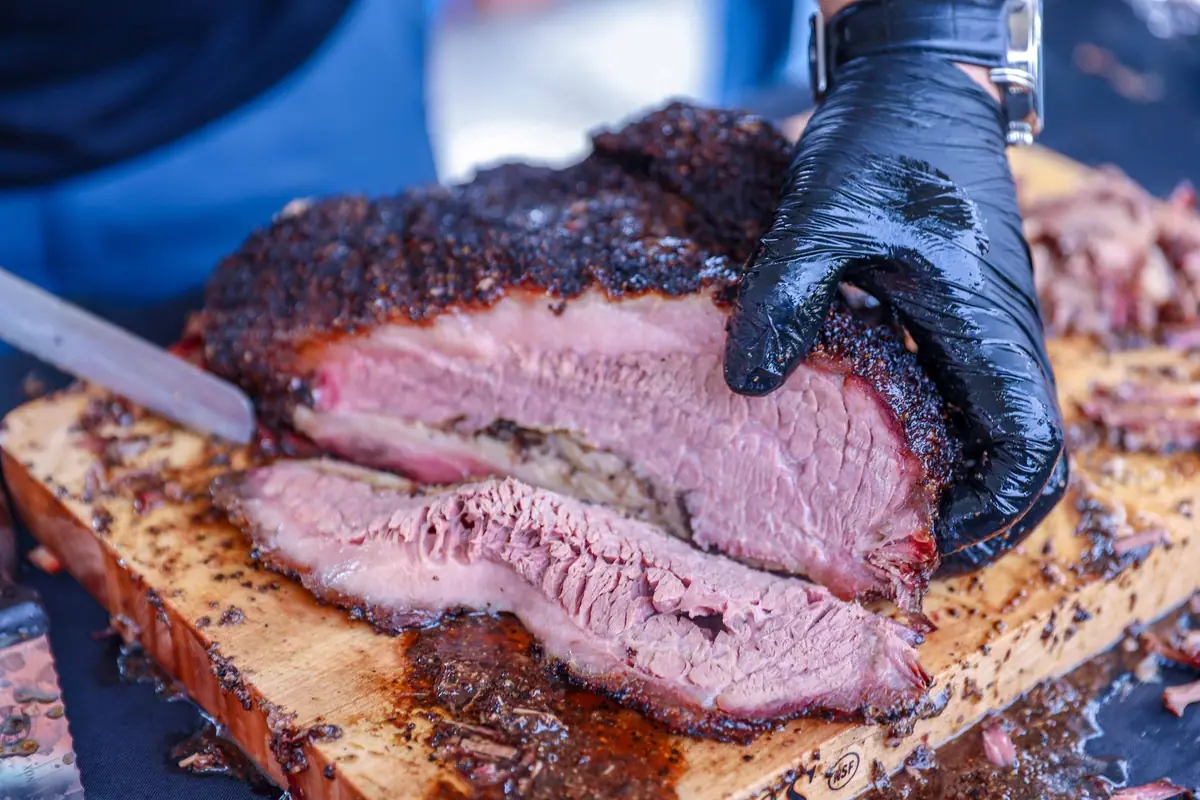
We compared thermometers using AmazingRibs’ detailed wireless thermometer comparison, Outdoor Life’s backyard testing and manufacturer specs. We focused on:
- Accuracy
- Range and connection reliability
- Number of probes and sensors
- App quality, or whether you need one
- Heat tolerance and durability
We haven’t tested these ourselves. Read more about how we pick products.
What to look for
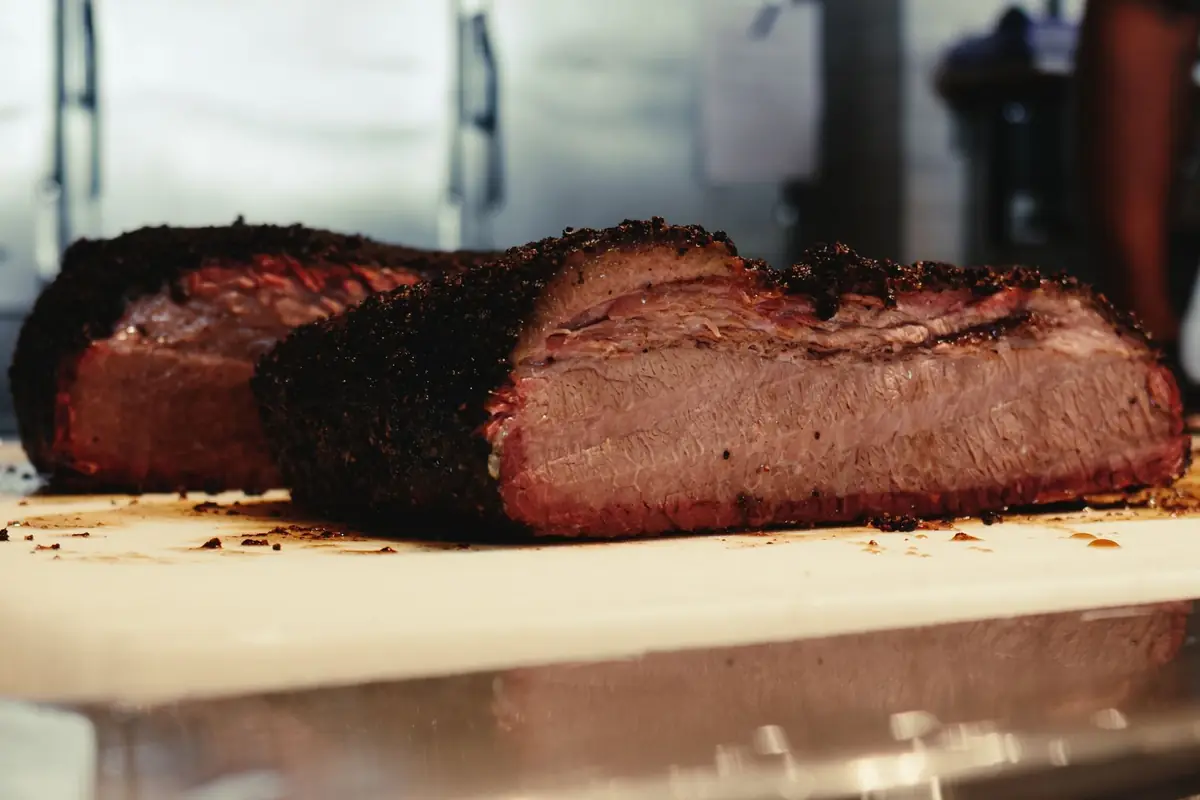
Wire-free or wired
Wire-free probes are easy and nothing gets pinched in the lid. Wired probes, where the cable runs to a base unit, are often cheaper, can handle more probes and read the grill temperature separately.
Range
Bluetooth alone often drops out past 100 feet or through walls. A WiFi bridge, booster or radio gateway lets you check from anywhere.
Number of probes
Two probes cover most cooks: one in the meat and one for a second cut or the grill. Go for four if you smoke several things at once.
Know your target temperatures
| Food | Typical target |
|---|---|
| Chicken and turkey | 165°F (USDA safe minimum) |
| Pork chops and roasts | 145°F plus 3-minute rest |
| Pulled pork (shoulder) | About 195 to 205°F for tenderness |
| Brisket | About 195 to 205°F for tenderness |
| Beef steaks (medium rare) | About 130 to 135°F |
USDA minimums are for safety. Barbecue targets for brisket and pork shoulder are higher because the connective tissue needs time and heat to break down.
Still wondering?
Are wireless thermometers accurate? Good ones are. All the models AmazingRibs compared read within 1 to 2°F.
Can I leave the probe in during the whole cook? Yes, that’s what they’re designed for. Check the maximum ambient temperature before using one for high-heat searing.
What should I cook on? See the best pellet grills under $1,000.