Raised Garden Beds for Vegetables: Best Metal, Wood and Self-Watering Picks
Cedar, galvanized steel or self-watering plastic: our picks for raised vegetable beds from Veikous, Sunnydaze, Best Choice Products, Keter and Zhongma, based on Bob Vila's tests with soil and plants.

We may earn a commission if you buy through links on this page. It never changes what we recommend. As an Amazon Associate we earn from qualifying purchases. Learn more.
Our top picks at a glance
1 Best overall
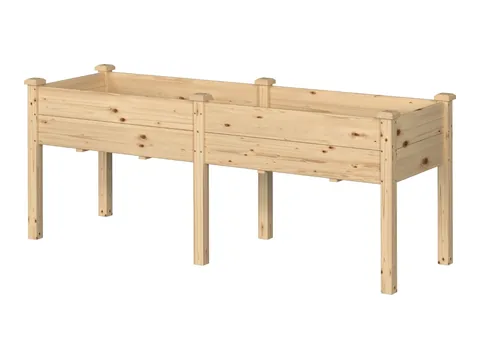
Veikous Large Cedar Wood Raised Garden Bed
A big, deep cedar bed that felt sturdy and grew root vegetables like carrots well. Read more
Pros
- Real cedar
- Large and deep
- Sturdy once built
Cons
- Lots of screws to assemble
- Liner needs more attachment points
2 Best metal
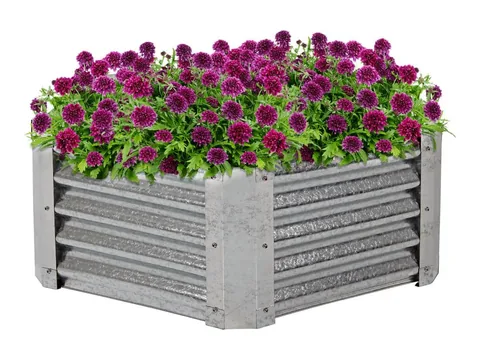
Sunnydaze Galvanized Steel Raised Garden Bed
A deep galvanized steel bed that resists rust and has room for big vining plants. Read more
Pros
- Galvanized steel resists rust
- Deep root space
- Fairly easy assembly
Cons
- Water leaked between panels until soil settled
- Plain look
3 Best elevated
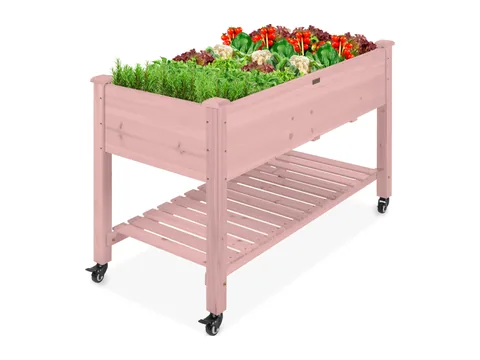
Best Choice Products Mobile Raised Garden Bed
A waist-high wood bed on locking wheels with a storage shelf underneath, so you don't have to bend. Read more
Pros
- Waist height
- Locking wheels
- Storage shelf
Cons
- Shallow planting depth
- Liner needs replacing yearly
4 Best self-watering
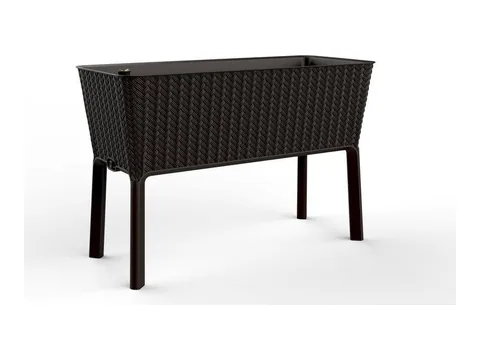
Keter Splendor Self-Watering Raised Garden Bed
A tall plastic bed with a water reservoir and a gauge that shows when to refill. Read more
Pros
- Very easy assembly
- Water reservoir with gauge
- Light but sturdy
Cons
- Plastic look
- Smaller than ground-level beds
5 Best with trellis
Zhongma Raised Garden Bed With Trellis
A steel bed with a built-in trellis for peas, beans and cucumbers, under $100. Read more
Pros
- Built-in trellis
- Quick assembly
- Good value
Cons
- Black metal gets hot in sun
- Fairly shallow
Raised beds warm up earlier in spring, drain better than heavy clay, keep weeds and foot traffic out, and save your back. For vegetables, they’re one of the best investments you can make in a garden.
The biggest decision is material.
Metal vs wood vs plastic
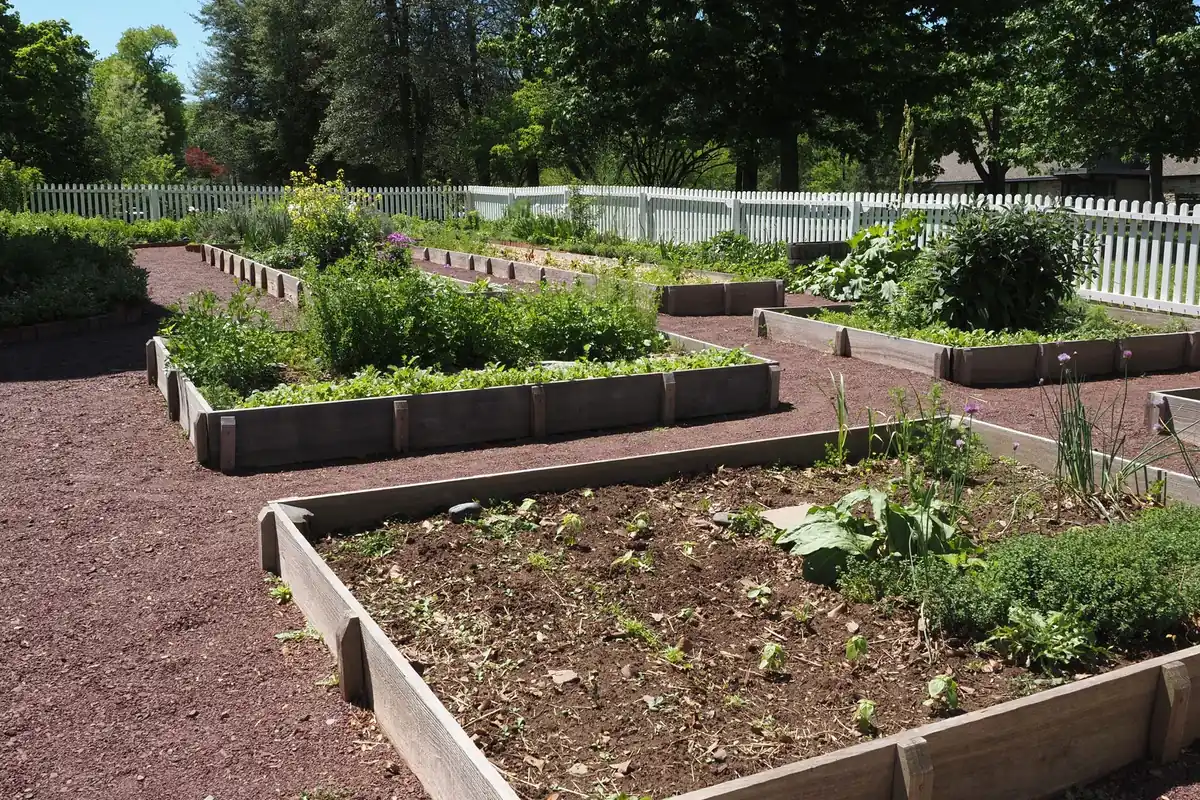
- Cedar and other rot-resistant wood look natural, stay cooler in summer and are easy to repair. They last several years before needing replacement boards.
- Galvanized or coated steel lasts a long time, won’t rot and often comes in tall, deep kits. Dark metal can get hot in direct sun; light colors and galvanized finishes stay cooler.
- Plastic and resin are light, often self-watering, and good for patios and balconies.
Avoid pressure-treated lumber for vegetables. A master gardener interviewed by Bob Vila warned that it can leach chemicals into the soil that feeds your food.
Specs side by side
| Raised bed | Material | Size (L x W x H) | Notes |
|---|---|---|---|
| Veikous Cedar | Cedar | 70.8 x 31.4 x 28.5 in | Deep enough for carrots |
| Sunnydaze Galvanized | Galvanized steel | Check listing | Deep, rust-resistant |
| Best Choice Products Mobile | Fir | 48 x 24 x 32 in | About 9 in planting depth |
| Keter Splendor | Polypropylene | 44.9 x 19.4 x 29.8 in | Self-watering |
| Zhongma With Trellis | Steel | 35.4 x 15.8 x 48.8 in | About 11 in planting depth |
Test notes are from Bob Vila's 2026 raised bed testing, which assembled each bed, filled and soaked it to check drainage and bowing, and grew vegetables and herbs in some.
1. Veikous Large Cedar Wood Raised Garden Bed: Best overall
Good fit for: Serious vegetable gardeners who want a deep, attractive bed.
Bob Vila’s top pick is real cedar, large and deep. It felt sturdy once built, and the tester found the depth suited deep growers like carrots. It scored perfectly for build, function and value.
What bugs us: Assembly took about an hour with lots of screws, and the liner needs more attachment points.
Skip it if: you want something you can set up in minutes.
2. Sunnydaze Galvanized Steel Raised Garden Bed: Best metal
Good fit for: Gardeners who want a long-lasting bed for big plants.
This galvanized steel bed resists rust and corrosion and gives roots lots of space; the tester said it could hold three large vining plants or about a dozen smaller ones. Assembly took about 25 minutes.
What bugs us: Water initially leaked out between the panels. Packing and tamping the soil fixed it, and the tester suggests a sprinkler over a hose. It looks plain.
Skip it if: looks matter most.
3. Best Choice Products Mobile Raised Garden Bed: Best elevated
Good fit for: Anyone who’d rather not kneel or bend: seniors, gardeners with bad backs, and patio growers.
This fir planter stands 32 inches high on four locking wheels, with a storage shelf underneath for tools and soil. Parts fit together precisely, and the wheels rolled smoothly and held.
What bugs us: Planting depth is only about 9 inches, fine for greens and herbs but not deep root crops. The fiber liner likely won’t last more than a season, and it’s hard to move once full.
Skip it if: you grow carrots, potatoes or tomatoes.
4. Keter Splendor Self-Watering Raised Garden Bed: Best self-watering
Good fit for: Busy gardeners and hot, dry climates.
The Keter went together in minutes. A built-in reservoir waters from below, a floating gauge shows when to refill, and a stopper drains excess water. The tester grew cilantro, basil and parsley in it.
What bugs us: Plastic won’t appeal to everyone, and it’s smaller than ground-level beds.
Skip it if: you want a large in-ground-style bed.
5. Zhongma Raised Garden Bed With Trellis: Best with trellis
Good fit for: Small spaces and climbing crops.
This steel bed’s built-in trellis supports peas, beans and cucumbers. One person assembled it in 15 to 20 minutes, and a felt liner and drainage holes help with aeration.
What bugs us: The black metal got warm in full sun, and the planting depth is about 11 inches.
Skip it if: you live somewhere very hot. Choose a lighter color.
Our research
We relied on Bob Vila’s 2026 testing of 12 raised beds, which assembled each, filled and soaked them to check drainage and bowing, and grew plants in some, with input from a master gardener. We focused on:
- Material and durability
- Depth for vegetables
- Assembly
- Drainage
- Height and ease of use
We haven’t tested these beds ourselves. Read more about how we pick products.
Getting started
- Aim for at least 10 to 12 inches of soil for most vegetables, deeper for root crops.
- Keep beds 4 feet wide or less so you can reach the middle from both sides.
- Use a raised bed soil mix, not straight topsoil. Here’s how much soil you need.
- Line the bottom right. Here’s what to put in the bottom of a raised bed.
Short answers
Are metal raised beds safe for vegetables? Galvanized steel is widely used for vegetables. Avoid beds with unknown coatings.
Do metal beds get too hot? Dark metal in full sun can warm the soil edges. Lighter colors and deeper beds help.
How long do cedar raised beds last? Typically many years; cedar is naturally rot-resistant, but ground contact shortens its life.