Compost Tumblers Worth Buying: 2 Top Picks
A compost tumbler keeps scraps off the ground, away from critters and easy to mix. Our two picks for the best compost tumbler, from FCMP and Good Ideas, and how to get finished compost in weeks instead of months.

We may earn a commission if you buy through links on this page. It never changes what we recommend. As an Amazon Associate we earn from qualifying purchases. Learn more.
Our top picks at a glance
1 Best overall
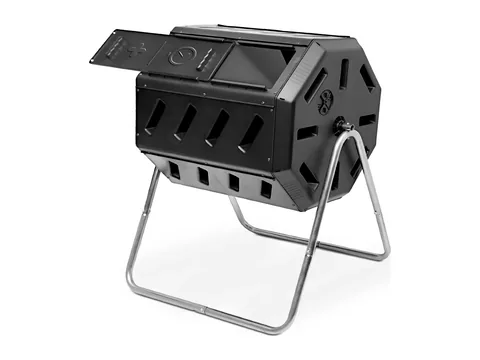
FCMP Outdoor IM4000 Dual-Chamber Tumbling Composter
Two chambers so one batch finishes while you fill the other, and easy to turn even when full. Read more
Pros
- Two batches at once
- Easy to turn when full
- Adjustable vents
- Compost in as little as 2 weeks
Cons
- Hard assembly with unclear instructions
- Bulky
2 Best for compost tea
Good Ideas Wizard 50-Gallon Compost Tumbler
A large rolling tumbler that arrives assembled, with a base that collects compost tea. Read more
Pros
- No assembly
- Collects compost tea
- Tight-sealing lids
- Stable
Cons
- Hard to turn when full
A compost tumbler is a sealed drum you spin to mix and aerate your compost. Compared with an open pile, it keeps scraps tidy, deters raccoons and rodents and makes turning easy, which speeds up composting.
The trade-off: tumblers hold less than a pile, and a full drum can be heavy to turn. A dual-chamber tumbler solves the biggest problem: you can fill one side while the other finishes.
Side by side
| Tumbler | Capacity | Chambers | Assembly | Weight |
|---|---|---|---|---|
| FCMP IM4000 | 37 gal | 2 | About 1 hour for two people | 28 lb |
| Good Ideas Wizard | 50 gal | 1 | None | 28 lb |
Test notes are from Bob Vila's compost bin testing, which rated assembly, filling, turning, emptying, vents and durability. We only found enough hands-on testing to recommend these two.
Where these picks come from
We relied on Bob Vila’s compost bin testing, which rated each bin’s assembly, daily filling and turning, emptying, cleaning, durability and features like vents and spigots. We haven’t tested these tumblers ourselves. Read more about how we pick products.
1. FCMP Outdoor IM4000 Dual-Chamber Tumbling Composter: Best overall
Best for: Most home gardeners making compost from kitchen and yard scraps.
Bob Vila named the IM4000 its most durable compost bin. Its two inner chambers let one batch cook while you fill the other, and testers found it easy to rotate even when full. They recommend five or six spins every two or three days, and say that with the right mix, compost can be ready in as little as two weeks. Side vents open for airflow or close to hold heat.
What bugs us: Assembly was hard: no written instructions, no tools included and about an hour for two people working from pictures. It’s bulky, hard to move when full, and had a plastic smell at first.
Skip it if: you want to set it up alone in 10 minutes.
2. Good Ideas Wizard 50-Gallon Compost Tumbler: Best for compost tea
Best for: Gardeners who want liquid fertilizer, too.
The Wizard arrives fully assembled. It sits low on a wheeled base that collects the nutrient-rich liquid that drains out, often called compost tea, for watering plants. Twist-off lids seal tightly, and its low profile kept it stable even in strong wind.
What bugs us: It’s heavy once full, so rotating it takes real effort.
Skip it if: you have limited strength. The FCMP turns more easily.
How to compost fast in a tumbler
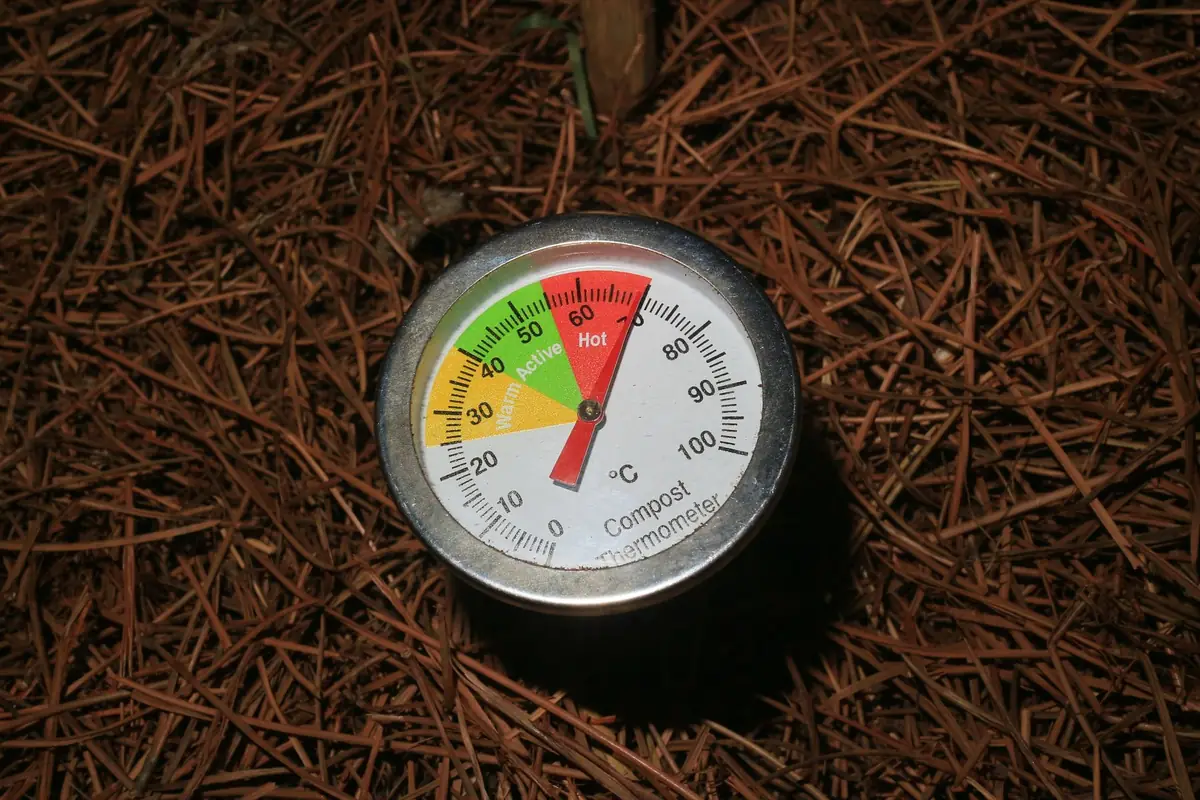
- Mix greens and browns. Roughly equal volumes of “greens” (food scraps, grass clippings) and “browns” (dry leaves, shredded cardboard, paper). Too many greens get slimy and smelly; too many browns slow everything down.
- Chop scraps small. Smaller pieces break down faster.
- Keep it damp, not wet. Like a wrung-out sponge.
- Turn it every few days.
- Stop adding to a batch once it’s mostly full, and let it finish. That’s where a dual chamber helps.
- Skip meat, dairy, oils and pet waste.
Collect scraps indoors with one of the best countertop compost bins.
Short answers
How long does a compost tumbler take? With a good mix and regular turning, a few weeks to a couple of months, depending on temperature.
Why is my tumbler compost wet and smelly? Too many greens. Add dry leaves or shredded cardboard and turn it.
Can I compost in winter? Composting slows way down in cold weather. Keep adding scraps; it will pick up again in spring.