Single-Stage vs Two-Stage Snow Blower: Which One Fits Your Driveway?
Single-stage snow blowers are lighter and cheaper but only suit paved driveways and lighter snow. Two-stage machines handle deep snow, plow berms and gravel. Here's how to tell which one you need.

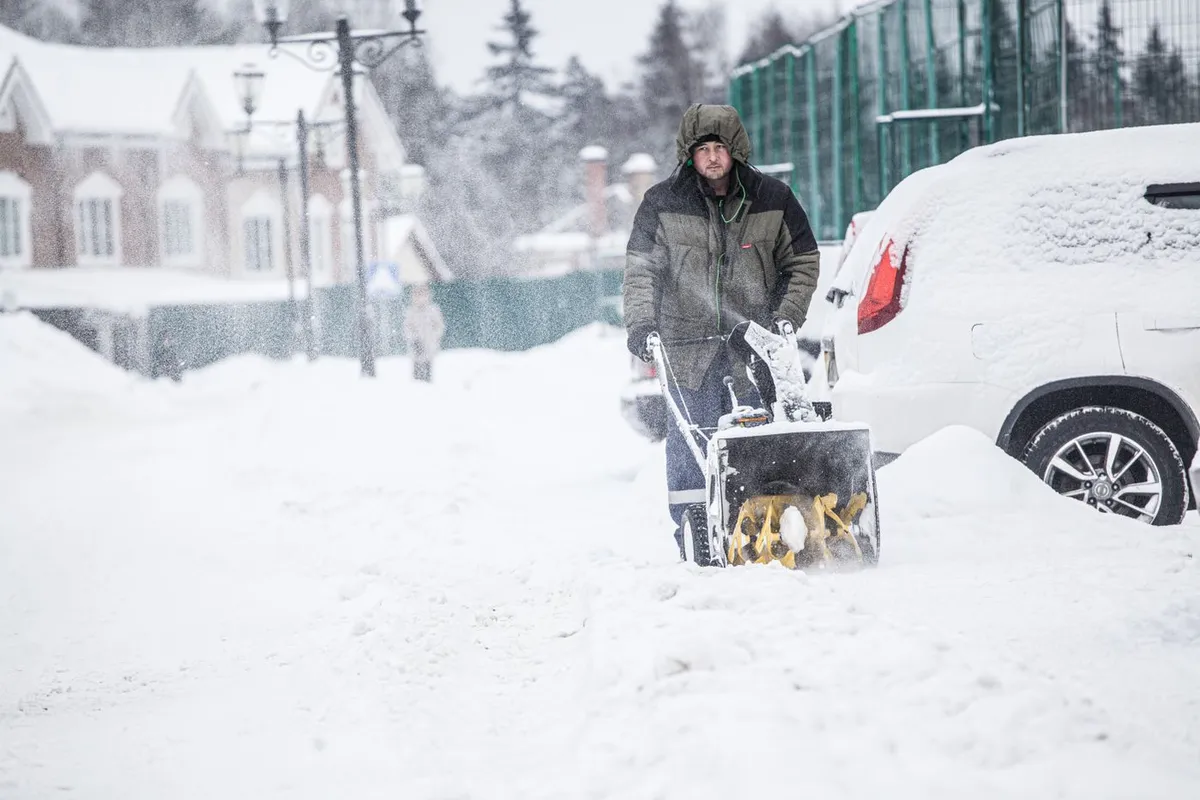
The short answer: a single-stage snow blower is enough if your driveway is paved, fairly short and you usually get less than about 8 inches of snow at a time. Anything beyond that (gravel, a long drive, a slope, a heavy plow berm, regular big storms) calls for a two-stage.
The names describe how each machine moves snow, and that one difference explains almost everything else.
How each one works
Single-stage: One fast-spinning auger, usually rubber-edged, does both jobs. It scoops the snow and flings it out the chute in one motion. The auger touches the ground, which is why it scrapes pavement clean, and it also helps pull the machine forward a little as it spins.
Two-stage: A slower steel auger breaks up the snow and feeds it to a separate impeller (a fan) behind it, and the impeller throws it out the chute. The auger housing rides on skid shoes, so it sits slightly above the surface instead of touching it. The wheels or tracks are driven by the engine, so the machine is self-propelled.
Three-stage models add an accelerator in front of the impeller to chop heavy, wet snow faster. They’re heavier and pricier, and most homeowners don’t need one.
Side-by-side
| Single-stage | Two-stage | |
|---|---|---|
| Best snow depth | Up to about 6 to 9 inches | 12 inches and up, plus plow berms |
| Typical clearing width | 18 to 22 inches | 24 to 30 inches |
| Surface | Paved only | Paved or gravel |
| Throw distance | Shorter | Farther |
| Drive | Auger pulls a little; you push | Self-propelled, with several speeds |
| Weight | Light enough to lift into a truck | Often 150 to 270 lb |
| Hills | Hard work | Much easier |
| Storage space | Small | Takes a real corner of the garage |
| Upkeep | Simple | More parts: shear pins, belts, skid shoes |
Depth guidance follows Consumer Reports, which puts single-stage machines at up to about 6 inches for light-duty clearing and gas single-stage models at their best up to about 9 inches.
When a single-stage is the smarter buy
Consumer Reports has long said a single-stage machine is enough for most homes, and it costs less and takes up less space. That fits if:
- Your driveway is paved (asphalt or concrete)
- It’s short to medium, roughly a one- or two-car driveway
- Your typical storm is under 8 inches
- The plow doesn’t leave a big berm at the end, or you’re fine shoveling that part
- You want something you can lift, store and start easily
Single-stage machines are also where battery models shine. They’re light enough that a couple of batteries can handle a normal suburban driveway, and you skip gas and oil changes.
When you need a two-stage
Pick two-stage if any one of these is true:
- Your driveway is gravel. A single-stage auger picks up stones and throws them. This alone settles it. See our picks for the best snow blowers for gravel driveways.
- You regularly get storms over 8 to 10 inches, or heavy lake-effect snow.
- The town plow leaves a packed, icy berm across the end of your driveway. A single-stage will bounce off it.
- Your driveway is long or sloped. Self-propelled drive does the pushing, and the wider path cuts your passes.
- You get a lot of wet, heavy snow. Two-stage machines throw it farther instead of clogging.
Consumer Reports’ testing found that two-stage machines generally clear faster and throw farther, and that they handle hills and gravel better.
The trade-offs nobody mentions
Two-stage machines leave a thin layer behind. Because the auger rides above the surface, you’ll often see a skim of snow left on pavement. On a sunny day it melts. On a cold day you may want to salt it. Single-stage machines scrape closer.
Single-stage machines wear their paddles. The rubber auger edges and scraper bar wear down from contact with the pavement and need replacing every few seasons. They’re cheap parts, but plan on it.
Two-stage machines need shear pins. Many use soft bolts that snap on purpose if the auger hits a rock or a frozen newspaper, protecting the gearbox. Keep a few spares taped to the handle. (Some newer Toro models use a gear design without shear pins.)
Weight matters in a small garage. A 250-pound two-stage machine is hard to move around a cramped garage by hand. Measure the spot you’ll store it in before you buy.
Quick answers
Is a single-stage snow blower worth it? Yes, for a paved driveway in an area with moderate snow. It’s lighter, cheaper, and easier to start and store.
Can a two-stage snow blower handle light snow? Yes. It’s more machine than you need for 2 inches, but it works fine. Raise the skid shoes a little on gravel.
What’s the difference between a snow blower and a snow thrower? Mostly marketing. Some brands call single-stage machines “snow throwers,” but plenty of companies use the two terms for the same thing.
How long do snow blowers last? With basic care, a well-made gas two-stage can last many seasons. Most of that comes down to how you store it. Our off-season storage guide covers what to do each spring.