How to Remove Grout With an Oscillating Tool
Replacing cracked or stained grout starts with getting the old stuff out. Here's how to do it quickly with an oscillating multi-tool without chipping your tile.

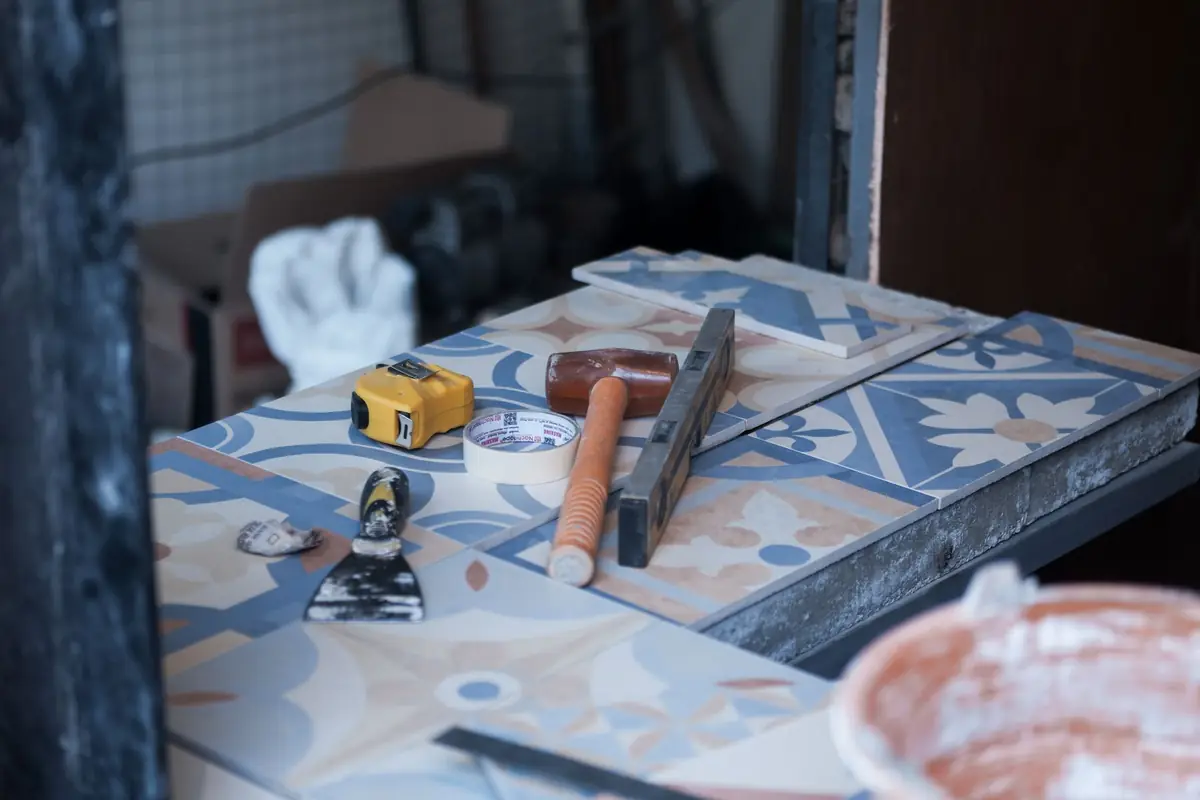
Cracked, crumbling or permanently stained grout doesn’t have to mean new tile. You can cut out the old grout and regrout. An oscillating multi-tool with a grout blade makes the removal far faster than a hand grout saw.
What you need
- An oscillating multi-tool
- A carbide or diamond grout removal blade sized to your grout lines (usually 1/8 inch or 1/16 inch)
- A manual grout saw for corners and tight spots
- Safety glasses and a dust mask (grout dust contains silica)
- A shop vac
- Painter’s tape, optional
Step 1: Prep
- Wear eye protection and a respirator. Grout dust is fine and harmful to breathe.
- Cover drains and nearby fixtures.
- Tape the tile edges next to the lines if your tile is delicate or glossy, to protect against slips.
- Connect a shop vac to the tool’s dust port if it has one, or have a helper hold the hose nearby.
Step 2: Pick the right blade
Use a blade slightly thinner than your grout line. Too wide, and it will chip the tile edges. Carbide grit blades are common; diamond blades last longer on hard grout. Install it per the tool’s instructions.
Step 3: Score the center of the line
- Set a medium speed. Too fast increases the chance of skating onto the tile.
- Hold the tool with both hands and rest the blade lightly in the center of the grout line.
- Let the tool do the work. Use light pressure and move slowly along the line, rocking gently.
- Remove about two-thirds of the grout depth, or as much as you need for the new grout to bond. You don’t need to dig to the backer board.
Step 4: Clean the edges and corners
Switch to a manual grout saw or a utility knife for corners, edges near tubs and anywhere the blade can’t reach without hitting tile.
Step 5: Vacuum and wipe
Vacuum out all dust and loose grout. Wipe the joints with a damp sponge and let them dry before regrouting.
Tips to avoid chipping tile
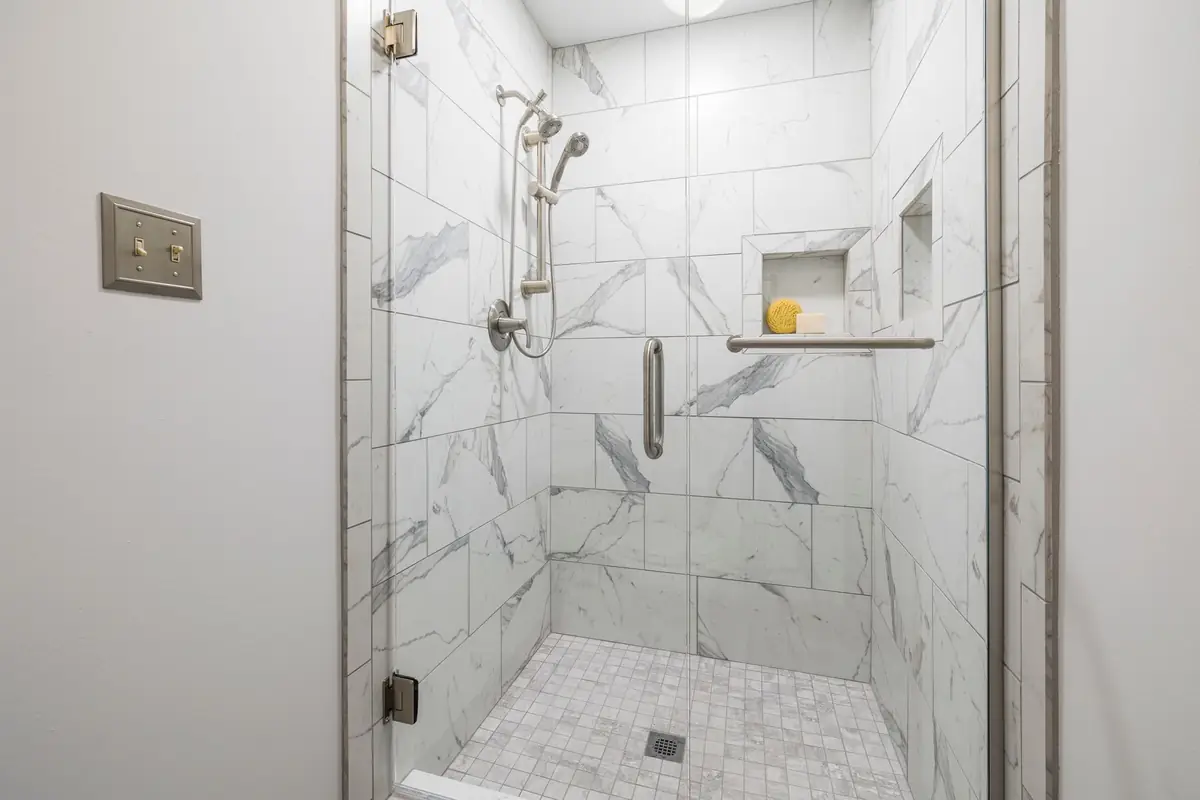
- Go slow. Speed causes slips.
- Keep the blade centered.
- Use a thinner blade than you think.
- Practice on a hidden area first.
- Don’t force it. If grout is very hard, make several light passes.
Bob Vila’s testers found that one tool’s grout blade chipped some tile edges on old tile, so take extra care, especially on soft or glazed tile edges.
FAQ
How deep should I remove grout? About two-thirds of the joint depth, or at least 1/8 inch, is usually enough for new grout to bond.
Can I regrout over old grout? Not well. A thin layer of new grout over old cracks and pops out. Remove it first.
Should I seal new grout? Cement-based grout benefits from sealing after it cures. Check the grout manufacturer’s directions.
Need a tool? See the best oscillating multi-tools.
Retiling after the grout is out? See the best wet tile saws for DIY.