Home Backup Generators: Top Portable and Inverter Picks
Our picks for the best home backup generators for keeping the fridge, lights and furnace running in an outage, from quiet inverters to 9,500-watt dual-fuel portables, plus how to size one safely.

We may earn a commission if you buy through links on this page. It never changes what we recommend. As an Amazon Associate we earn from qualifying purchases. Learn more.
Our top picks at a glance
1 Best overall
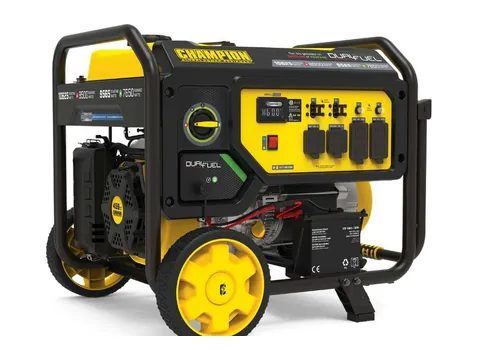
Champion 8500-Watt Dual Fuel with CO Shield
Enough power for essentials, runs on gas or propane, and shuts itself off if carbon monoxide builds up. Read more
Pros
- Gas or propane
- CO shutoff
- Electric start
Cons
- 209 lb
- Loud like most conventional generators
2 Most power
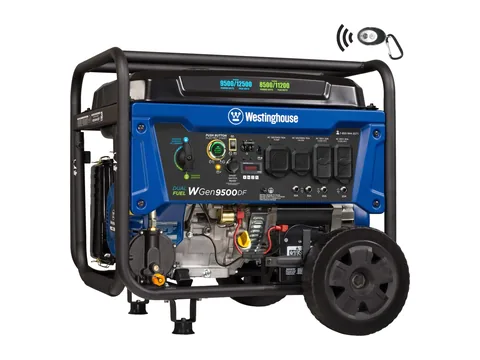
Westinghouse WGen9500DF Dual Fuel
9,500 running watts on gasoline, with a remote start and enough power for an electric range or dryer. Read more
Pros
- High output on both fuels
- Remote start
- About 12 hours at 25% load
Cons
- 211 lb
3 Best inverter
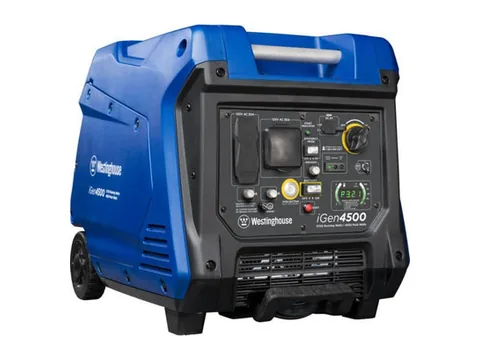
Westinghouse iGen4500
Quiet, fuel-efficient and clean power for electronics, with up to 18 hours of runtime. Read more
Pros
- Quiet
- Clean power for electronics
- Long runtime
Cons
- Nearly 105 lb
- Less power than conventional models
4 Quietest
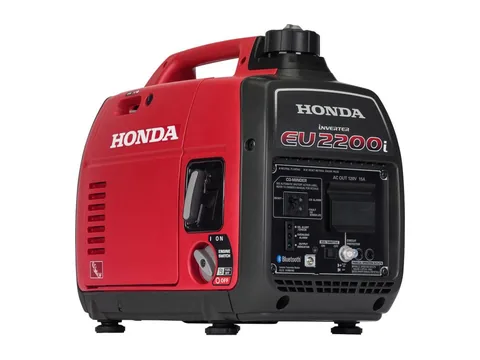
Honda EU2200i with CO-Minder
Very quiet and light, and in testing it ran a refrigerator for 4 hours without a hiccup. Read more
Pros
- Very quiet
- About 50 lb
- CO sensor and shutoff
Cons
- Only 1,800 running watts
- No USB port
5 Best budget
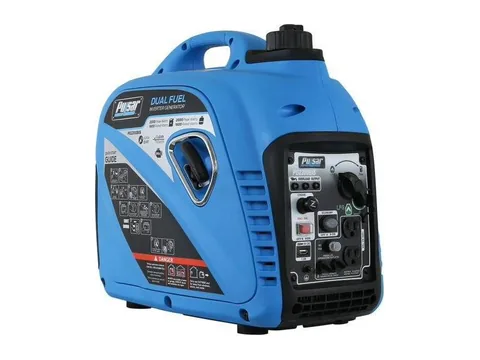
Pulsar 2200-Watt Dual Fuel Inverter
An affordable dual-fuel inverter for a fridge, lights and phones. Read more
Pros
- Inexpensive
- Gas or propane
- Easy cold starts
Cons
- Light duty only
- Awkward oil fill
- Louder than expected
A portable generator can keep your refrigerator, freezer, sump pump, lights and even a gas furnace running through a long outage. Picking one comes down to two questions: how much power do you need, and how much noise and weight can you live with?
Safety first: Generators make carbon monoxide, which kills people every year. Run a generator only outdoors, far from windows, doors and vents, never in a garage, even with the door open. Install battery-powered CO alarms in your home. Connect to your house wiring only through a transfer switch or interlock installed by an electrician, never by backfeeding through an outlet.
Side by side
| Generator | Type | Fuel | Running watts (gas) | Starting watts (gas) | CO shutoff |
|---|---|---|---|---|---|
| Champion 8500 Dual Fuel | Conventional | Gas or propane | 8,500 | 10,625 | Yes |
| Westinghouse WGen9500DF | Conventional | Gas or propane | 9,500 | 12,500 | Check listing |
| Westinghouse iGen4500 | Inverter | Gas | 3,700 | 4,500 | Check listing |
| Honda EU2200i | Inverter | Gas | 1,800 | 2,200 | Yes |
| Pulsar 2200 Dual Fuel | Inverter | Gas or propane | 1,800 | 2,200 | Check listing |
Specs and test notes are from Bob Vila's hands-on generator testing and manufacturer listings. Many newer models add CO shutoff; check the current listing. Prices change often, so we've left them out.
1. Champion 8500-Watt Dual Fuel with CO Shield: Best overall
Who it’s for: Most homes that want to run the essentials, and then some, through an outage.
Bob Vila named this Champion its best home generator. It makes 8,500 running watts on gasoline (7,650 on propane), enough for a fridge, freezer, sump pump, lights and more. Dual fuel lets you use propane, which stores for years without going stale. Its CO Shield detector shuts the generator off if carbon monoxide builds to dangerous levels. In testing it ran tools and appliances at full load without tripping breakers. It has electric start and a digital display for runtime and output.
What bugs us: At 209 pounds, it’s very hard to lift. Like all conventional generators, it’s loud.
Skip it if: you only need to run a fridge and some lights. A smaller inverter is quieter and lighter.
2. Westinghouse WGen9500DF: Most power
Who it’s for: Homes that want to run bigger loads like a well pump, an electric range or a dryer.
With 9,500 running watts on gasoline and 8,500 on propane, it powered an oven and a clothes dryer in Bob Vila’s testing. A remote key fob starts it from up to 90 feet away, and it runs about 12 hours at a quarter load on gas. It arrives mostly assembled.
What bugs us: It weighs 211 pounds.
Skip it if: you don’t need that much power. Bigger generators burn more fuel.
3. Westinghouse iGen4500: Best inverter
Who it’s for: People who want quieter, cleaner power for a fridge, electronics and essentials.
Inverter generators make steady, clean power that’s safer for computers and modern appliances, and they throttle down when demand is low, which saves fuel and noise. The iGen4500 makes 3,700 running watts, ran tools and RV essentials in testing, and can run up to 18 hours on its 3.4-gallon tank.
What bugs us: It weighs nearly 105 pounds, which is a lot for one person to lift. It won’t run large 240-volt loads.
Skip it if: you need to run central air or a well pump.
4. Honda EU2200i with CO-Minder: Quietest
Who it’s for: Small homes, apartments with a patio and anyone who values quiet.
Honda’s small inverter is famous for being quiet and reliable. In Bob Vila’s testing, it powered a refrigerator for 4 hours and ran table and miter saws through an 8-hour workday with no breaker trips. It weighs about 50 pounds, and its CO sensor shuts it off if carbon monoxide builds up.
What bugs us: At 1,800 running watts, it powers a fridge and a few essentials, not much more. There’s no USB port.
Skip it if: you need to run more than one big appliance at a time.
5. Pulsar 2200-Watt Dual Fuel Inverter: Best budget
Who it’s for: Budget buyers who want to keep the fridge and lights on.
This small dual-fuel inverter handled 1,800 combined watts in testing, started easily even in the cold, weighs about 46 pounds and runs up to 8 hours at half load.
What bugs us: The oil fill is awkward, it’s louder than expected, and it’s suited only to light-duty use.
Skip it if: you want the quietest small generator. That’s the Honda.
Also consider: a standby generator
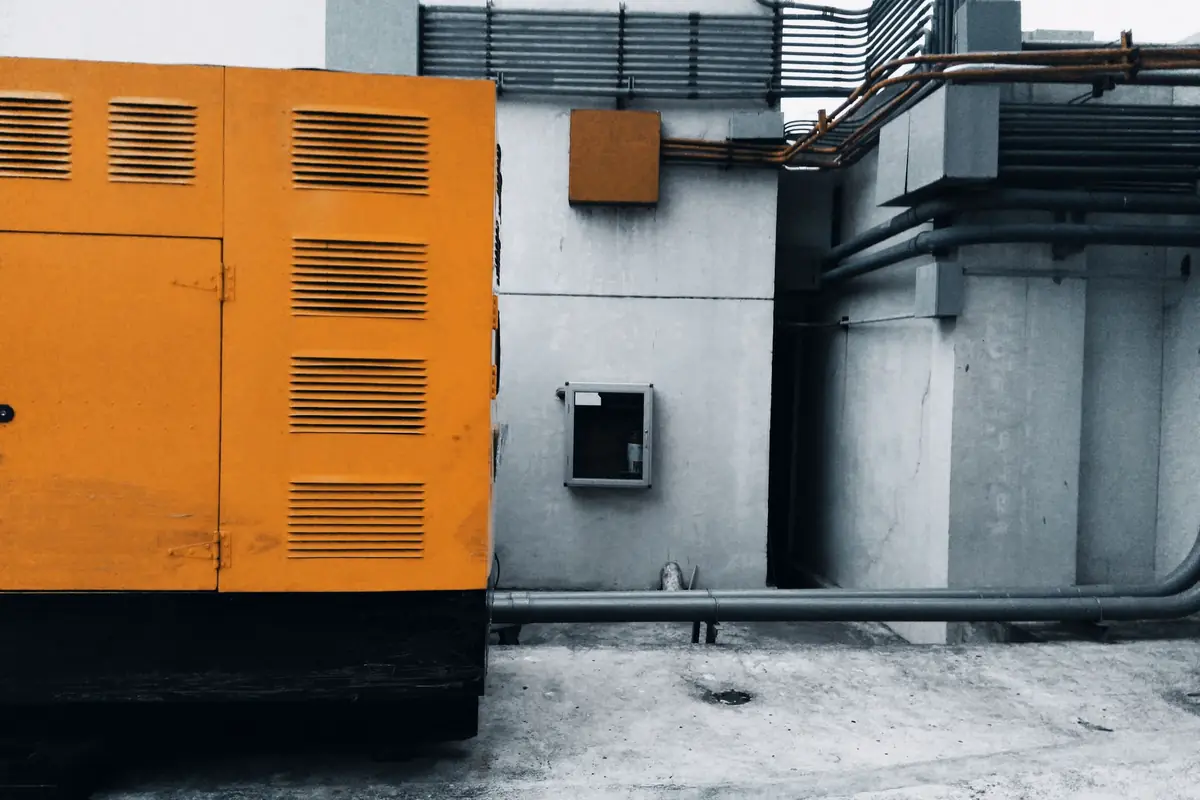
If you lose power often, a permanently installed standby generator starts on its own within seconds of an outage and can power the whole house on natural gas or propane. In Bob Vila’s testing, a 26 kW Briggs & Stratton started about 15 seconds after the power was cut. Standby generators need professional installation and cost far more.
For running just a fridge quietly indoors, a battery power station is another option. See the best portable power stations for a refrigerator.
Our research
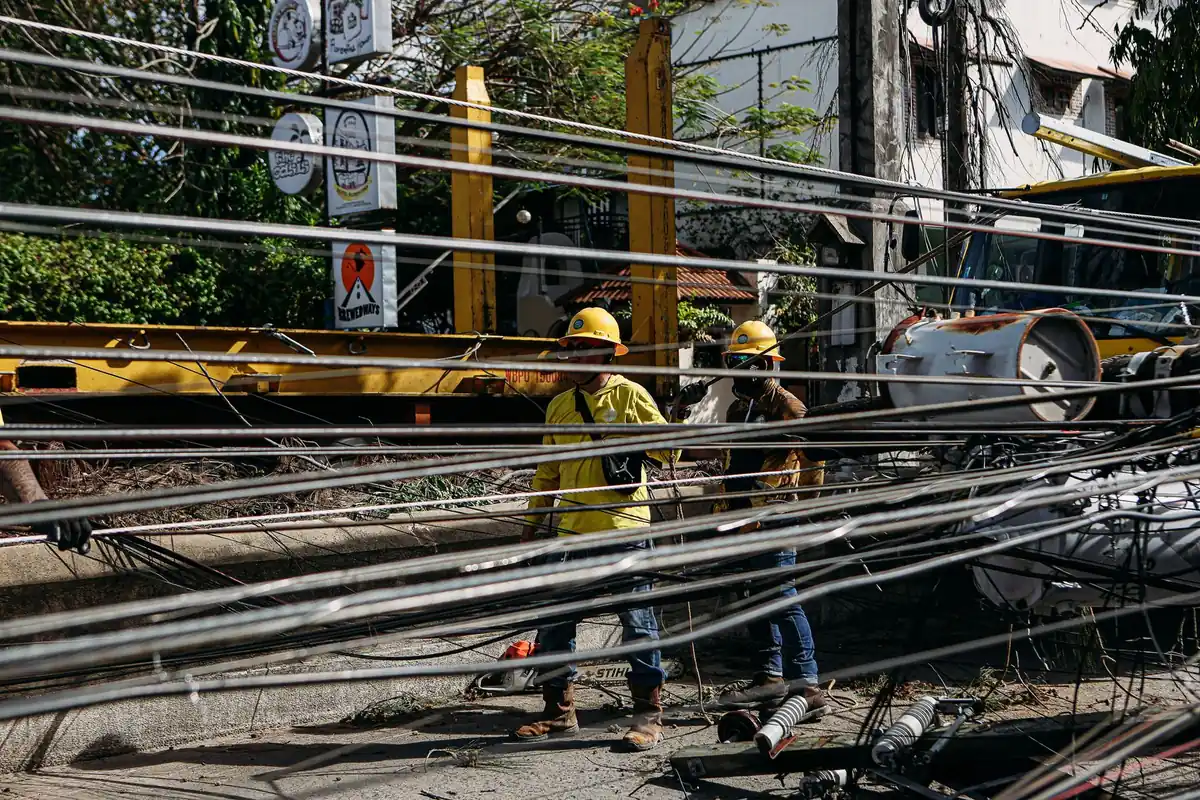
We compared generators using Bob Vila’s hands-on testing with real tools and appliances, along with manufacturer specs. We focused on:
- Running and starting watts
- Fuel flexibility and runtime
- Safety features, especially CO shutoff
- Noise and weight
- Ease of starting
We haven’t tested these ourselves. Read more about how we pick products.
How to size a generator
- List what you need to run: fridge, freezer, sump pump, furnace blower, lights, phone chargers, maybe a microwave or window AC.
- Add up the running watts. Check each appliance’s label or manual.
- Add the biggest starting surge. Motors like fridges and pumps draw extra power for a second when they start. You only need to add the largest one, since they rarely start at once.
- Leave some headroom. Don’t plan to run a generator at 100% for long.
| Appliance | Typical running watts |
|---|---|
| Refrigerator | About 100 to 800 (most modern fridges at the low end) |
| Chest freezer | About 100 to 400 |
| Sump pump (1/2 hp) | About 800 to 1,050 |
| Furnace fan (gas furnace) | About 300 to 900 |
| Window AC | About 500 to 1,500 |
| Microwave | About 600 to 1,500 |
These are rough ranges. Check your own appliances. For fridges, see how many watts a refrigerator uses.
Short answers
Inverter or conventional generator? Inverters are quieter, more efficient and better for electronics. Conventional generators give you more watts for the money.
Gas or propane? Gas makes a bit more power. Propane stores for years and doesn’t gum up carburetors. Dual fuel gives you both.
Can I plug my generator into a wall outlet? No. Backfeeding is illegal in many places and can kill utility workers. Use extension cords rated for the load, or have an electrician install a transfer switch or interlock.
Do I need a generator for my sump pump? A battery backup sump pump is a simpler, automatic option. See the best battery backup sump pumps.