Which Portable Power Station Can Run a Refrigerator? 5 Best Picks
How big a power station you need to keep a fridge running in an outage, with our picks from EcoFlow, Anker, Jackery, Bluetti and Generac and a simple sizing guide.

We may earn a commission if you buy through links on this page. It never changes what we recommend. As an Amazon Associate we earn from qualifying purchases. Learn more.
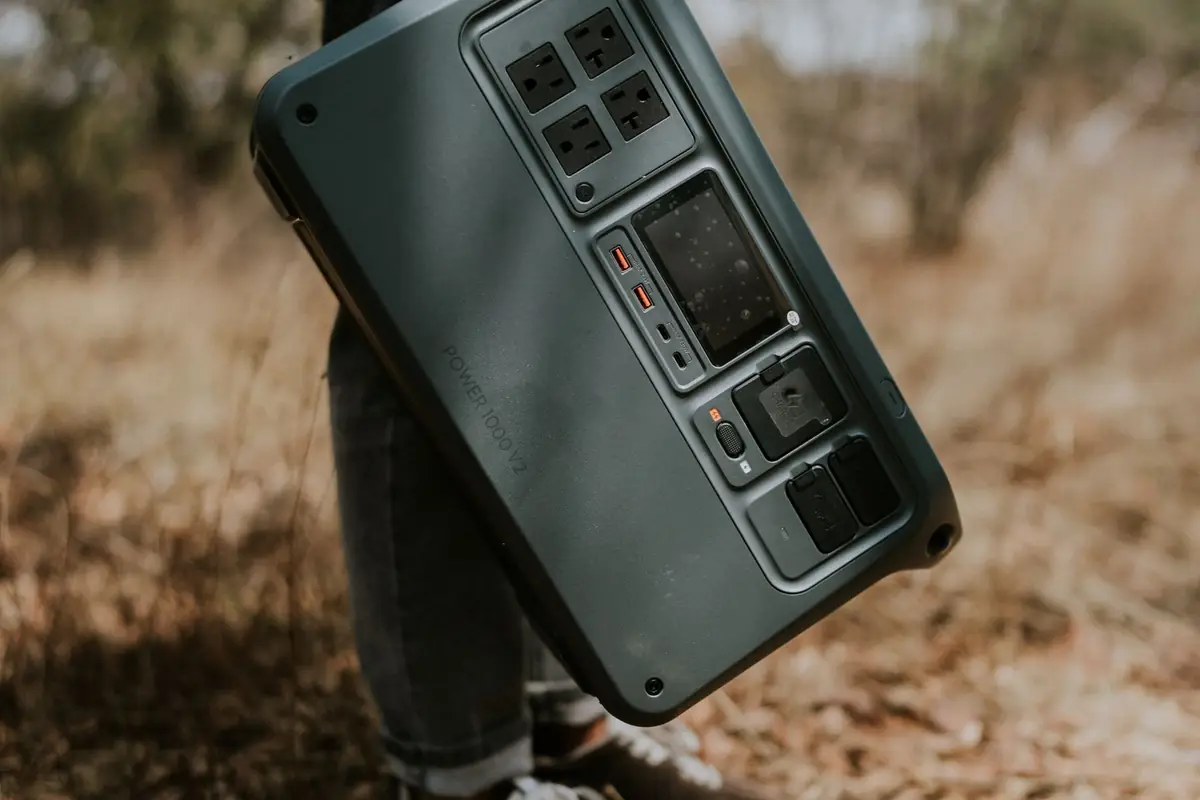
Our top picks at a glance
1 Best overall
EcoFlow Delta 2
About 1 kWh of long-life LiFePO4 battery and a 2,700-watt surge that handles a fridge's startup. Read more
Pros
- Handles fridge startup surge
- Fast 1.3-hour recharge
- Lighter than most
Cons
- Shut off with a few percent showing
- Newer Delta 3 now available
2 Best for solar
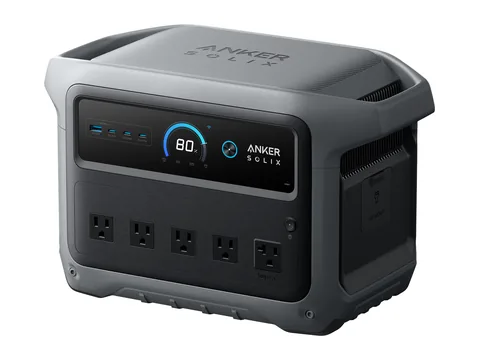
Anker SOLIX C1000 Gen 2
A 1 kWh station that pairs well with Anker's well-regarded solar panels. Read more
Pros
- Efficient on long low-power loads
- 1,800W output
- Good solar panels
Cons
- Gen 2 still being tested
- Slower charging than EcoFlow on Gen 1
3 Proven with a fridge
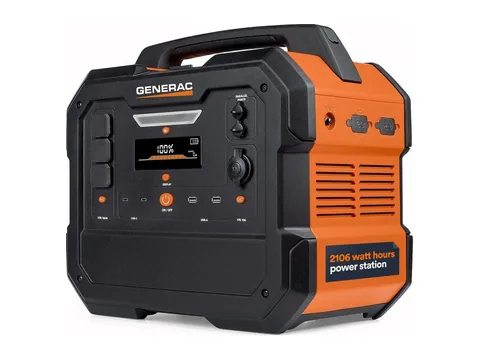
Generac GB2000
Ran a fridge, lights and a miter saw in Bob Vila's testing, and charges from solar. Read more
Pros
- Tested running a refrigerator
- 3,200W peak
- Safe to use indoors
Cons
- 1,600W continuous limit
- 43 lb
4 Easiest to use
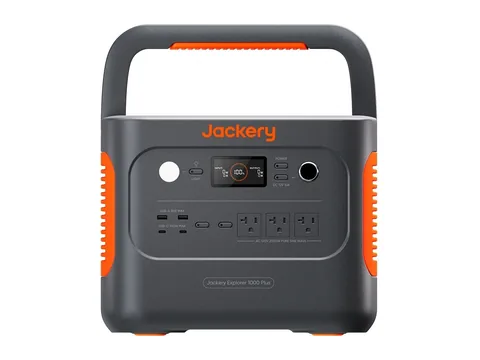
Jackery Explorer 1000 Plus
The most intuitive screen and controls, with about 1.25 kWh of capacity. Read more
Pros
- Very easy to use
- Larger capacity
- 2,000W output
Cons
- Heavier and pricier
- Housing cracked in one test
5 Good value
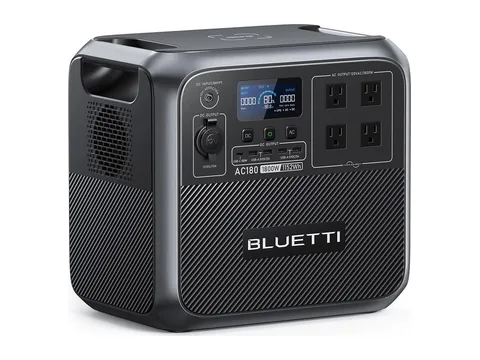
Bluetti AC180
A 1,152 Wh LiFePO4 station with 1,800W output for less than many rivals. Read more
Pros
- Strong output for the price
- Fast recharge
- Wireless phone charging
Cons
- Less efficient at low draw
- 37 lb
A portable power station is a big rechargeable battery with outlets. It’s silent, makes no fumes and can sit in your kitchen, which makes it a safer alternative to a gas generator for keeping a refrigerator cold during a power outage.
The catch is size. A fridge’s compressor needs a burst of power to start, and it runs on and off all day. A power station that’s too small will either trip when the compressor kicks on or run out of battery in a few hours.
How big a power station do you need?
Here’s the quick version. For the full math, see how many watts a refrigerator uses.
- Running watts: A typical modern full-size fridge uses roughly 100 to 250 watts while the compressor runs.
- Startup surge: It can briefly draw several times that when the compressor starts. Choose a station with a surge rating of at least 1,500 to 2,000 watts, ideally more.
- Daily energy: Many newer full-size fridges use about 1 to 2 kWh a day. Check the yellow EnergyGuide label: divide the yearly kWh by 365.
- Battery size: A 1,000 Wh station can typically run an efficient full-size fridge for roughly half a day to a day, depending on the fridge and how often it’s opened. For longer outages, choose a larger or expandable station, or recharge with solar.
These are estimates. Your fridge’s age, size, settings and the room temperature all change the numbers.
Side by side
| Power station | Capacity | Continuous output | Surge | Battery | Recharge (wall) |
|---|---|---|---|---|---|
| EcoFlow Delta 2 | 1,024 Wh | 1,800W | 2,700W | LiFePO4 | About 1.3 hr |
| Anker SOLIX C1000 Gen 2 | 1,056 Wh | 1,800W | Check listing | LiFePO4 | Check listing |
| Generac GB2000 | Check listing | 1,600W | 3,200W | Check listing | Check listing |
| Jackery Explorer 1000 Plus | 1,264 Wh | 2,000W | Check listing | LiFePO4 | About 1.8 hr |
| Bluetti AC180 | 1,152 Wh | 1,800W | Check listing | LiFePO4 | About 1.3 hr |
Specs and test notes are from Outdoor Life's power station testing and Bob Vila's generator and power station testing. "Check listing" means our sources didn't confirm that spec. Prices change constantly and sales are frequent, so we've left them out.
1. EcoFlow Delta 2: Best overall
Good fit for: Most people who want to keep a fridge, lights and phones running through a typical outage.
Outdoor Life named the Delta 2 its best power station overall. It has 1,024 Wh of LiFePO4 battery, a long-lasting chemistry, and delivered about 900 Wh in testing. Its 1,800-watt output with a 2,700-watt surge comfortably covers a fridge’s startup. It lasted over an hour longer than the Anker on Outdoor Life’s grow-light test and recharges from the wall in about 1.3 hours.
What bugs us: It shut off with a few percent still showing on the display. The AC outlets are on the back. EcoFlow’s newer Delta 3 is now available and adds a higher surge rating and faster charging, at a higher price.
Skip it if: you need two or more days of power without recharging.
2. Anker SOLIX C1000 Gen 2: Best for solar
Good fit for: People who plan to recharge with solar panels during longer outages.
Outdoor Life named the SOLIX C1000 its best pick for solar generators. The first-generation model it tested was slightly more efficient on its long, low-draw storage test, which is a lot like running a fridge. Anker’s 100-watt panel is well regarded.
What bugs us: Outdoor Life was still testing the Gen 2. The Gen 1 was weaker on the grow-light test and slower to charge than the EcoFlow.
Skip it if: you won’t use solar. The EcoFlow is the better all-rounder.
3. Generac GB2000: Proven with a fridge
Good fit for: People who want a station that’s been tested running a refrigerator.
In Bob Vila’s testing, the GB2000 ran a fridge, a miter saw, lamps, a laptop and a phone, and made about 20 cuts with no loss of saw power. Its 3,200-watt peak rating handles compressor startup with room to spare, and it recharged from solar in about 5 hours on an overcast day.
What bugs us: It’s limited to 1,600 watts continuous, so you can’t run a fridge and a microwave or space heater together. It weighs 43 pounds.
Skip it if: you want to power big appliances. Look at a home backup generator instead.
4. Jackery Explorer 1000 Plus: Easiest to use
Good fit for: Anyone who wants plug-and-go simplicity.
Outdoor Life found Jackery’s interface the most intuitive of any it tested, with color-coded cables. The 1000 Plus has about 1,264 Wh of capacity and delivered about 1,090 Wh in testing, more than the 1 kWh models.
What bugs us: It’s heavier and pricier, and it did below par on the grow-light test. Testers also saw cracks appear in the housing.
Skip it if: you want the best value for the capacity.
5. Bluetti AC180: Good value
Good fit for: Budget-minded buyers who want 1 kWh-class power and strong output.
The AC180 has 1,152 Wh of LiFePO4 battery and 1,800 watts of output, and it recharges in about 1.3 hours. It’s the only station Outdoor Life tested with wireless phone charging.
What bugs us: It was less efficient at low power draw, which is what a fridge mostly is, so expect less runtime than its capacity suggests. It weighs 37 pounds and its controls are less intuitive.
Skip it if: maximum fridge runtime is your goal.
Where these picks come from
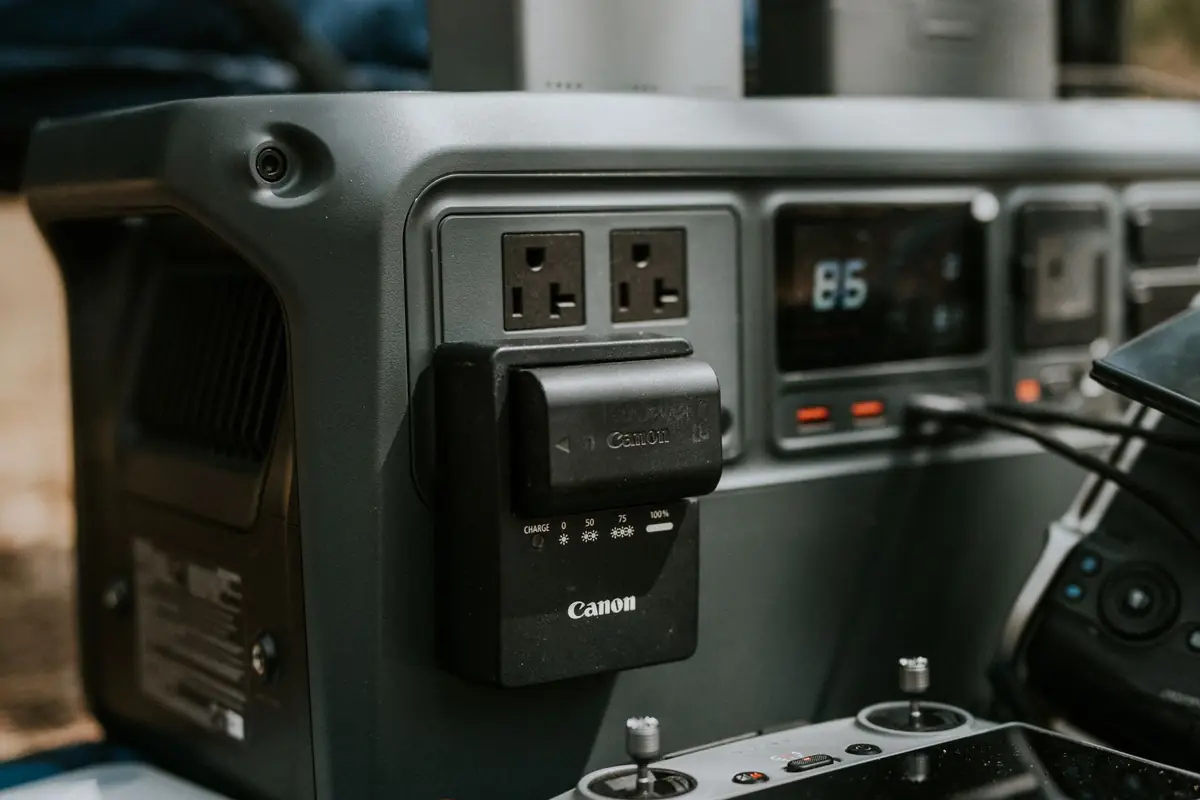
We compared power stations using Outdoor Life’s capacity and efficiency testing, Bob Vila’s real-world appliance testing and manufacturer specs. We focused on:
- Surge rating, to handle a compressor’s startup
- Usable capacity, not just the number on the box
- Battery chemistry, favoring long-life LiFePO4
- Recharge speed, including solar
- Reliability in testing
We haven’t tested these ourselves. Read more about how we pick products.
Tips to make the battery last longer

- Keep the fridge closed. Every opening lets cold out and makes the compressor run.
- Turn the fridge to a slightly warmer setting within food-safe limits, 40°F or below for the fridge.
- Fill empty space with jugs of water, which hold cold.
- Unplug the ice maker and anything else you don’t need.
- Recharge with solar during the day if the outage is long.
Short answers
Can a 500 Wh power station run a fridge? Briefly, if its surge rating is high enough. Expect only a few hours of runtime. 1,000 Wh or more is a better starting point.
Power station or generator? Power stations are silent and safe indoors but hold limited energy. Gas generators run as long as you have fuel but must be used outdoors, far from windows and doors, because of carbon monoxide. Here are the best generators for home backup power.
Will a power station damage my fridge? Choose one with a pure sine wave inverter, which all of our picks have, and a surge rating that covers the startup.