Under-Sink Reverse Osmosis Systems: Top Picks for 2026
Our picks for the best under-sink reverse osmosis systems, with the certifications, flow rates and waste ratios that matter, and a tankless option for small cabinets.

We may earn a commission if you buy through links on this page. It never changes what we recommend. As an Amazon Associate we earn from qualifying purchases. Learn more.
Our top picks at a glance
1 Best overall
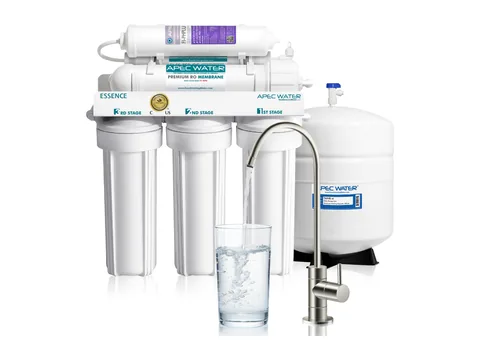
APEC ROES-PH75
About $270
A proven tank system with added minerals for better taste, certified to NSF/ANSI 58 and 372. Read more
Pros
- Fair price
- Built-in remineralization
- Very quiet with little TDS creep
Cons
- Slow flow from the tank
- Long install and flush
- Tank takes cabinet space
2 Best tankless
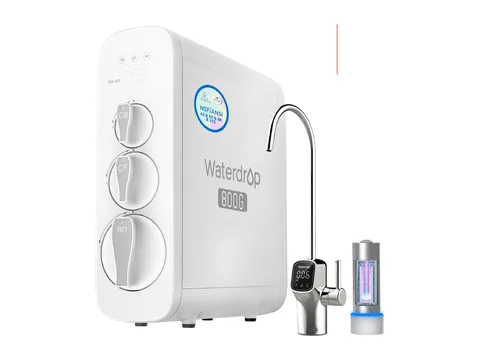
Waterdrop G3 P800
About $540 to $1,000
Very fast flow from a slim, tankless unit, with a smart faucet that shows water quality. Read more
Pros
- Very fast flow
- Certified to NSF/ANSI 42/53/58/372
- Easy filter changes
Cons
- No remineralization built in
- Needs an outlet under the sink
3 Best for certifications
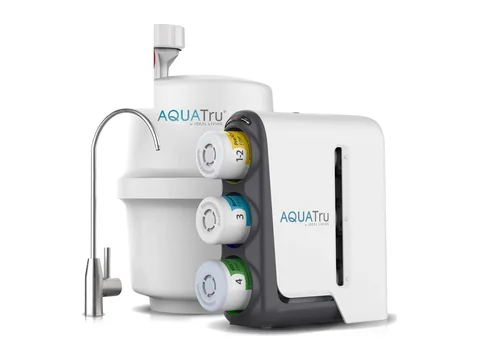
AquaTru Under Sink Gen 2
About $395
Certified for every contaminant it claims to reduce, with a leak alarm for peace of mind. Read more
Pros
- Certified to NSF/ANSI 42/53/58/401
- No TDS creep in testing
- Leak alarm
Cons
- Slowest flow of our picks
- No added minerals on the base model
4 Low waste, no electricity
Cloud RO
About $600 to $650
Wastes about one gallon for each gallon it makes, adds minerals, and needs no power. Read more
Pros
- About 1 to 1 waste ratio
- Built-in remineralization
- Quiet with app tracking
Cons
- Expensive to buy and maintain
- Fewer certifications
A reverse osmosis (RO) system is the most thorough way to filter drinking water at home. It pushes water through a very fine membrane that removes far more than a pitcher or faucet filter, including dissolved solids like salts and many metals.
Under-sink systems sit in the cabinet and feed a separate small faucet on your sink. Here’s what we’d buy, and what to check before you do.
Side by side
| System | Type | Certifications (NSF/ANSI) | Adds minerals? | Waste ratio | Approx. price |
|---|---|---|---|---|---|
| APEC ROES-PH75 | Tank | 58, 372 (WQA) | Yes | About 1 pure : 3 waste (rated) | $270 |
| Waterdrop G3 P800 | Tankless | 42, 53, 58, 372 | No (add-on) | Rated 3 pure : 1 waste | $540 to $1,000 |
| AquaTru Under Sink Gen 2 | Tank | 42, 53, 58, 401 | Optional upgrade | About 1 : 3.3 (measured) | $395 |
| Cloud RO | No power needed | 58 | Yes | About 1 : 1 | $600 to $650 |
Certifications and measured figures are from Water Filter Guru's lab testing and manufacturer listings. Prices are typical prices in October 2026 and change often.
Where these picks come from

We compared systems recommended in independent lab testing, primarily Water Filter Guru’s tests, which measure contaminant reduction, flow, waste and TDS creep, along with manufacturer certification listings. We focused on:
- Independent certifications, especially NSF/ANSI 58 for RO performance
- Flow and daily capacity
- Waste ratio
- Remineralization and taste
- Install effort, maintenance cost and footprint
We haven’t tested these ourselves. We’ll update this guide as we use these systems ourselves. Read more about how we pick products.
1. APEC ROES-PH75: Best overall
Buy it if: Most households that want proven RO water at a fair price.
APEC is one of the most established names in home RO, and this system is a good all-rounder. It’s certified by the Water Quality Association to NSF/ANSI 58 (the RO performance standard) and 372 (lead-free materials). A final stage adds calcium back into the water, which many people find makes RO water taste better. In Water Filter Guru’s lab testing it showed very little TDS creep and ran quietly.
What bugs us: Flow from the faucet is slow, installation and the first flush take a while, and there are no filter-change alerts. The storage tank takes up a good chunk of the cabinet.
Skip it if: your under-sink space is tight. A tankless model is much slimmer.
2. Waterdrop G3 P800: Best tankless
Buy it if: People who want fast-flowing RO water and a compact unit.
Tankless RO systems filter water on demand, so there’s no tank to fill and wait for. The G3 P800 is rated for 800 gallons a day and was one of the fastest systems in testing. It’s certified to NSF/ANSI 42, 53, 58 and 372, and its smart faucet shows water quality and filter life. Filter changes are a quick twist.
What bugs us: There’s no built-in remineralization, so water can be slightly acidic unless you add Waterdrop’s optional mineral filter. Like all tankless RO systems, it needs an outlet under the sink. Price varies a lot between retailers.
Skip it if: you don’t have an outlet in the sink cabinet.
3. AquaTru Under Sink Gen 2: Best for certifications
Buy it if: People who want the strongest independent proof of what’s being removed.
AquaTru’s under-sink system is certified to NSF/ANSI 42, 53, 58 and 401, and Water Filter Guru found it is certified for every contaminant it claims to reduce. It showed no TDS creep in testing and includes a leak alarm, which is reassuring for a system that sits under your sink.
What bugs us: Flow was the slowest of our picks, setup took about an hour, and the base model doesn’t add minerals back (an upgrade costs about $25).
Skip it if: you fill big pots and jugs often and want speed.
4. Cloud RO: Low waste and no electricity
Buy it if: People who care about wasted water and want minerals added back.
All RO systems send some water down the drain while they filter. Cloud RO is unusually efficient, at about one gallon wasted per gallon produced. It adds minerals back, doesn’t need electricity, runs quietly and has an app for tracking filter life.
What bugs us: It’s expensive to buy and to maintain. It’s certified only to NSF/ANSI 58, and testers saw some TDS creep on the first draw.
Skip it if: budget is the priority. APEC costs less than half as much.
Renting? Consider a countertop RO unit
If you can’t install anything under the sink, countertop RO systems like the AquaTru Carafe sit next to the sink, fill by hand and need no plumbing. Water Filter Guru rated it best overall in its testing, and it’s certified to NSF/ANSI 42, 53, 58 and 401. It’s slower, but you can take it with you when you move.
What to look for in an RO system
Certifications
Look for NSF/ANSI 58 (RO performance), plus 42 and 53 for chlorine, taste and specific health-related contaminants, and 372 for lead-free materials. A certification only covers the contaminants listed on the certificate, so check the list if you have a specific concern.
Tank or tankless
Tank systems are cheaper and don’t need power, but the tank takes space and flow can be slow. Tankless systems are compact and fast but cost more and need an outlet.
Remineralization
RO removes minerals along with contaminants. A remineralization stage adds some calcium and magnesium back, which many people prefer for taste.
Waste ratio
Older systems waste 3 to 4 gallons per gallon made. Newer designs get closer to 1 to 1, or better.
Filter costs
Filters and membranes need replacing on a schedule, often every 6 to 24 months. Check replacement prices before you buy.
Know what’s in your water
If you’re on a private well, test first. RO isn’t designed to treat hard water on its own or bacteria in untreated well water. See how to test well water at home and reverse osmosis vs a water softener.
Common questions
Is reverse osmosis water safe to drink? Yes. RO water is widely used for drinking. Some people prefer systems that add minerals back for taste.
How long does an RO membrane last? Commonly 2 to 3 years, depending on water quality and use. Pre-filters need changing more often.
Can I install an under-sink RO system myself? Most are designed for DIY install with basic tools, though you may need to drill a hole for the faucet in the sink or countertop.