How to Test Your Well Water at Home (and When to Use a Lab)
What to test for in well water, how home test kits work, how to take a proper sample, and when you need a certified lab instead.

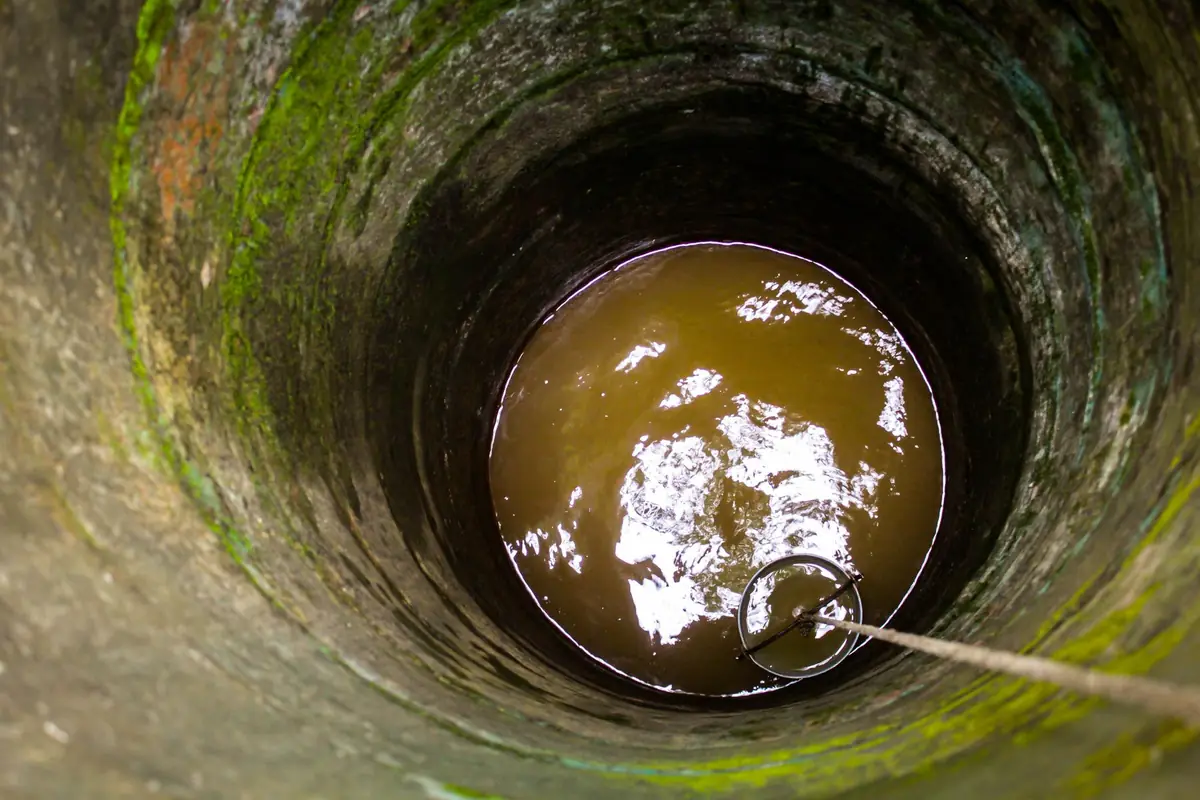
If you have a private well, nobody tests your water but you. City water is regulated and tested; well water isn’t. Regular testing is the only way to know your water is safe and to choose the right treatment, if you need any.
Here’s what to test for, how home kits compare with lab tests, and how to take a good sample.
What to test for
Public health agencies generally recommend testing a private well at least once a year for:
- Total coliform bacteria (and E. coli if coliform is present)
- Nitrate
- pH
- Total dissolved solids (TDS)
Depending on where you live, also test periodically for:
- Hardness, to decide on a water softener
- Iron and manganese, which cause staining
- Lead and copper, especially in older homes
- Arsenic, uranium, radon or fluoride, which occur naturally in some regions
- Sulfur (hydrogen sulfide), if your water smells like rotten eggs
Your county or state health department can tell you which contaminants are common locally.
Test again when
- Water changes taste, color or smell
- After flooding, or after work on the well or pump
- Someone in the home is pregnant, or you have an infant
- A neighbor’s well has a problem
Home test kits vs certified labs
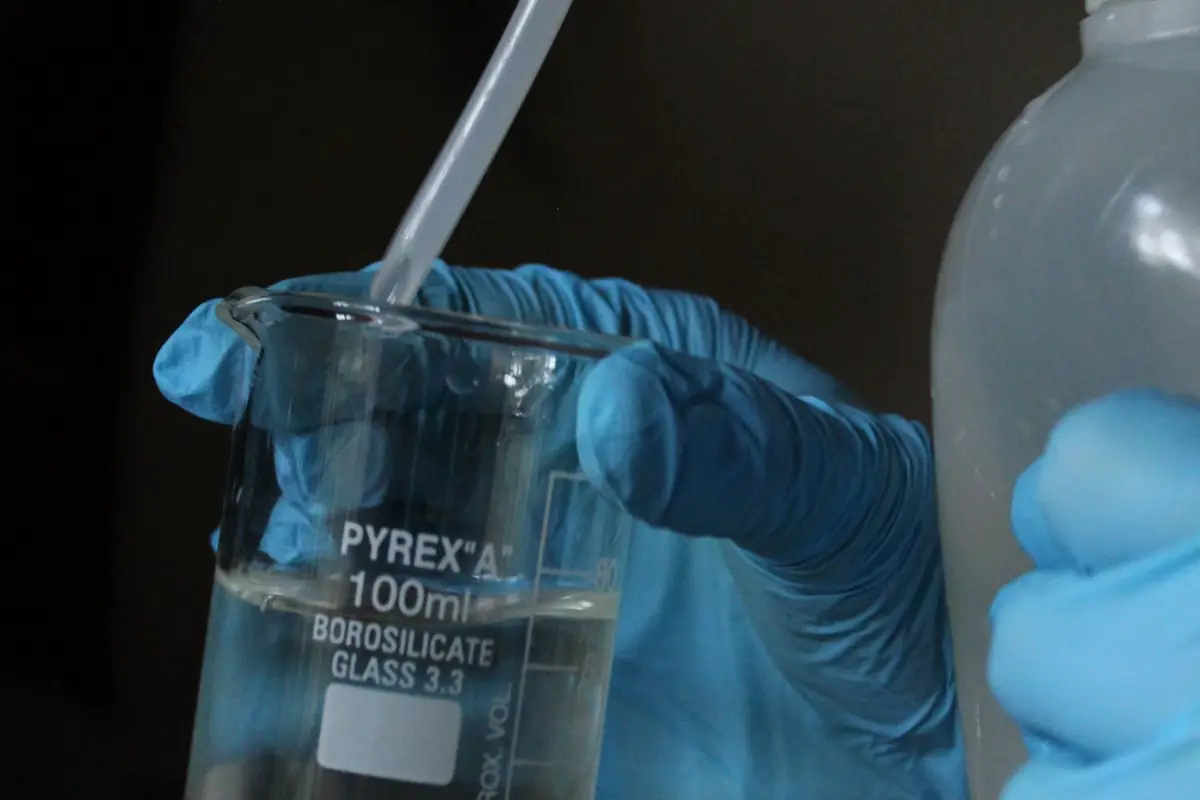
Home test kits
Home kits use test strips, color tablets or a small digital meter. They’re inexpensive, quick and useful for checking things like hardness, pH, iron, chlorine and TDS before you choose a filter or softener. Some kits include a bacteria test that changes color after incubating for a day or two.
Home kits are good for screening and for checking whether a treatment system is working. They’re less precise than a lab, and they’re not the right tool for health decisions.
Certified lab tests
For bacteria, nitrate, arsenic, lead and other health-related contaminants, use a state-certified laboratory. Your state or county health department can point you to certified labs, and some offer low-cost testing for well owners. The lab sends sterile bottles and instructions; you collect the sample and return it within a set time.
Our advice: do a certified lab test once a year for the basics, and use home kits in between or to fine-tune treatment.
How to take a good sample
Follow the lab’s instructions exactly. In general:
- Use the sterile bottle provided. Don’t rinse it, and don’t touch the inside of the bottle or cap.
- Pick a cold-water tap that’s used often, like the kitchen sink. Avoid taps that run through a softener or filter unless you’re testing the treated water.
- Remove the aerator if the lab asks, and avoid hoses and pull-out sprayers.
- Run the cold water for a few minutes before filling, unless you’re testing for lead, which uses the first water drawn.
- Fill to the line, cap it right away, and keep it cool.
- Return it on time. Bacteria samples usually need to reach the lab within about a day.
Reading your results
Your lab report will compare results to drinking water standards. A few common situations:
- Coliform present: don’t drink the water until the well is disinfected and retested. Your health department can help.
- High nitrate: especially important for infants. A certified reverse osmosis system can reduce nitrate.
- Iron, manganese or sulfur: a whole house filter for well water is the usual fix.
- Hard water: a softener. Here’s reverse osmosis vs a water softener if you’re weighing the two.
Common questions
How much does a well water test cost? Basic home kits are inexpensive. Certified lab tests vary widely by what’s included and where you live; your health department may offer discounted testing.
Can I test for bacteria at home? Some home kits can detect coliform bacteria, but for a reliable answer, use a certified lab.
Is a filter pitcher enough for well water? Only for taste and specific certified contaminants, not for bacteria. See what pitchers can and can’t do for well water.