Water Filter Pitchers for Well Water (and What They Can't Do)
A pitcher can improve the taste of well water and cut some contaminants, but it can't make unsafe well water safe. Our picks for the best water filter pitchers for well water, plus what to check first.

We may earn a commission if you buy through links on this page. It never changes what we recommend. As an Amazon Associate we earn from qualifying purchases. Learn more.
Our top picks at a glance
1 Best overall
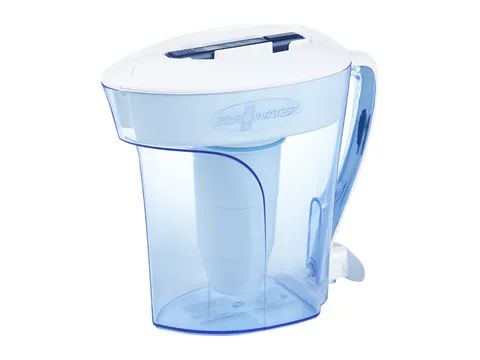
ZeroWater (Culligan)
From about $25
The strongest contaminant reduction in lab testing, including nitrate and uranium. Read more
Pros
- Top lab results
- Certified to NSF/ANSI 42/53/401
- Fast filtering
Cons
- Filters only last about 20 gallons
- Removes minerals
2 Best budget
Amazon Basics Pitcher
About $26
Removed all the lead in testing for about 9 cents a gallon in filter costs. Read more
Pros
- Very low running cost
- Removed 100% of lead in testing
- Certified to NSF/ANSI 42/53/401
Cons
- Struggled with nitrate
- No fluoride reduction
3 Best long-lasting filter
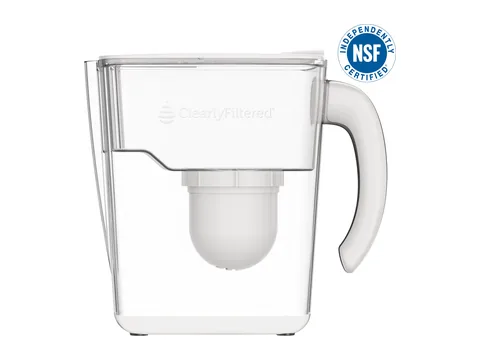
Clearly Filtered
About $90
A sturdy pitcher with 100-gallon filters that removed all the fluoride in testing. Read more
Pros
- 100-gallon filter life
- Removed fluoride and uranium
- Sturdy build
Cons
- Pricier
- Limited certifications
4 Best value over time
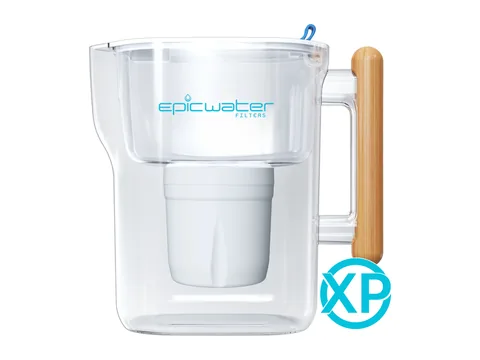
Epic Pure
About $70
150-gallon filters bring the cost down to about 31 cents a gallon. Read more
Pros
- Long 150-gallon filter life
- No priming needed
- Lifetime warranty
Cons
- Not certified
- Weaker on nitrate and fluoride
If you’re on a private well, a filter pitcher is an easy, cheap way to improve how your drinking water tastes and to cut some common contaminants. But there’s an important limit to understand first.
A filter pitcher is not a way to make unsafe well water safe. Pitchers are designed to filter treated city water. They aren’t built or certified to remove bacteria or viruses, and most aren’t designed to handle iron. If your well hasn’t been tested recently, start there: here’s how to test your well water at home.
If your well tests clean for bacteria and you want better taste, or you’re targeting something specific like lead or nitrate that a pitcher is certified to reduce, these are the ones we’d consider.
Quick comparison
| Pitcher | Certifications (NSF/ANSI) | Filter life | Cost per gallon | Approx. price |
|---|---|---|---|---|
| ZeroWater | 42, 53, 401, 372 | 20 gal | About $0.90 | $25 |
| Amazon Basics | 42, 53, 401, 372 | 40 gal | About $0.09 | $26 |
| Clearly Filtered | 42, 53 | 100 gal | About $0.55 | $90 |
| Epic Pure | Not certified | 150 gal | About $0.31 | $70 |
Certifications, filter life and test results are from Water Filter Guru's lab testing and manufacturer listings, done on that site's water with fresh filters. Your results depend on your water.
1. ZeroWater: Best overall
Good fit for: People who want the most thorough filtering a pitcher can do.
ZeroWater scored highest in Water Filter Guru’s pitcher testing, removing all of the health-related contaminants they measured, including uranium, fluoride and nitrate, which can be a concern in rural wells. It’s certified to NSF/ANSI 42, 53 and 401 and filters quickly.
What bugs us: Filters last only about 20 gallons, so running costs are the highest here. It strips minerals and lowered the water’s pH in testing, which some people notice in taste.
Skip it if: you go through a lot of water. Filter costs add up fast.
2. Amazon Basics: Best budget
Good fit for: People who want certified filtering for very little money.
This basic pitcher removed 100 percent of lead in testing and nearly all of the uranium and copper, and it’s certified to NSF/ANSI 42, 53 and 401. Filter costs work out to about 9 cents a gallon, the lowest here.
What bugs us: It struggled with nitrate and didn’t reduce fluoride. Testers also measured a small rise in sodium.
Skip it if: nitrate is your main concern, which is common near farmland.
3. Clearly Filtered: Best long-lasting filter
Good fit for: People who want fewer filter changes and fluoride reduction.
Clearly Filtered’s 100-gallon filters last five times longer than ZeroWater’s. In testing, it removed all of the fluoride and uranium measured. The pitcher itself is sturdy.
What bugs us: It costs more upfront, and its certifications cover only a small share of what it claims to remove.
Skip it if: you want the strongest independent certification.
4. Epic Pure: Best value over time
Good fit for: People who want low running costs and fewer filter changes.
Epic’s 150-gallon filters are the longest-lasting here, bringing the cost down to around 31 cents a gallon, and the pitcher has a lifetime warranty. It removed all the uranium and copper in testing.
What bugs us: It isn’t third-party certified, and it reduced only about a fifth of the nitrate and a quarter of the fluoride in testing.
Skip it if: you need certified results.
Our research
We relied on Water Filter Guru’s lab testing of filter pitchers, along with NSF and WQA certification listings. We focused on:
- Independent certifications
- Lab results for contaminants relevant to wells, like nitrate, lead and uranium
- Filter life and cost per gallon
We haven’t tested these ourselves. Read more about how we pick products.
When a pitcher isn’t enough
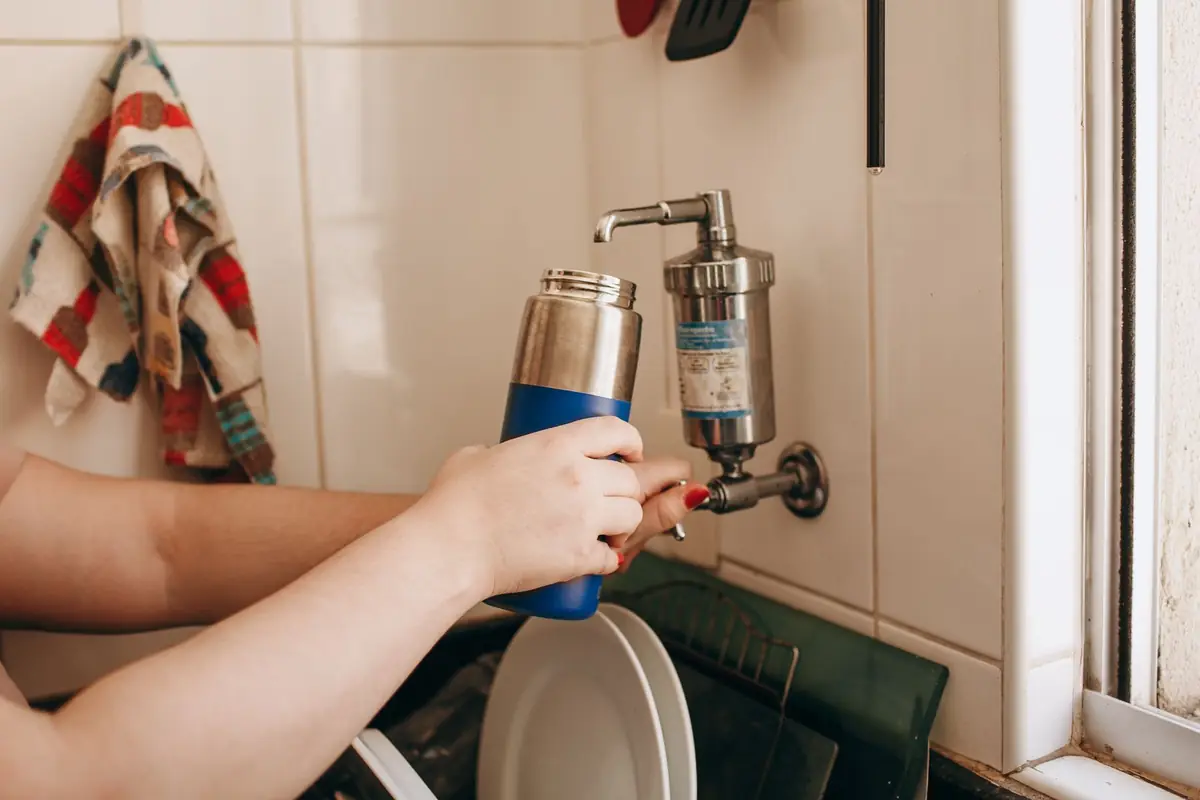
Consider a bigger system if your well test shows:
- Bacteria (coliform or E. coli): you need disinfection, such as shock chlorination or a UV system, not a pitcher.
- Iron, sulfur smell or sediment: a whole house filter protects your plumbing and every tap.
- Hard water: a water softener.
- High nitrate, arsenic or other dissolved contaminants: an under-sink reverse osmosis system is far more effective and convenient than a pitcher.
Quick answers
Will a pitcher remove iron from well water? Pitchers generally aren’t designed for iron, and heavy iron can clog filters quickly. A whole house iron filter is the right tool.
Can a filter pitcher remove bacteria? Standard pitchers aren’t certified to remove bacteria. Don’t rely on one to make untreated or contaminated water safe.
How often should I test my well? Health agencies generally recommend testing at least once a year for bacteria, and after floods or any change in taste, color or smell.