I Turned a $579 EcoFlow Into a Home Solar Backup System
How to build a $579 EcoFlow DELTA 3 out into a real home solar backup setup: a 400W Renogy panel, the right cable, EcoFlow's alternator charger so your car becomes the extra battery, and a $30 meter to know your runtime.

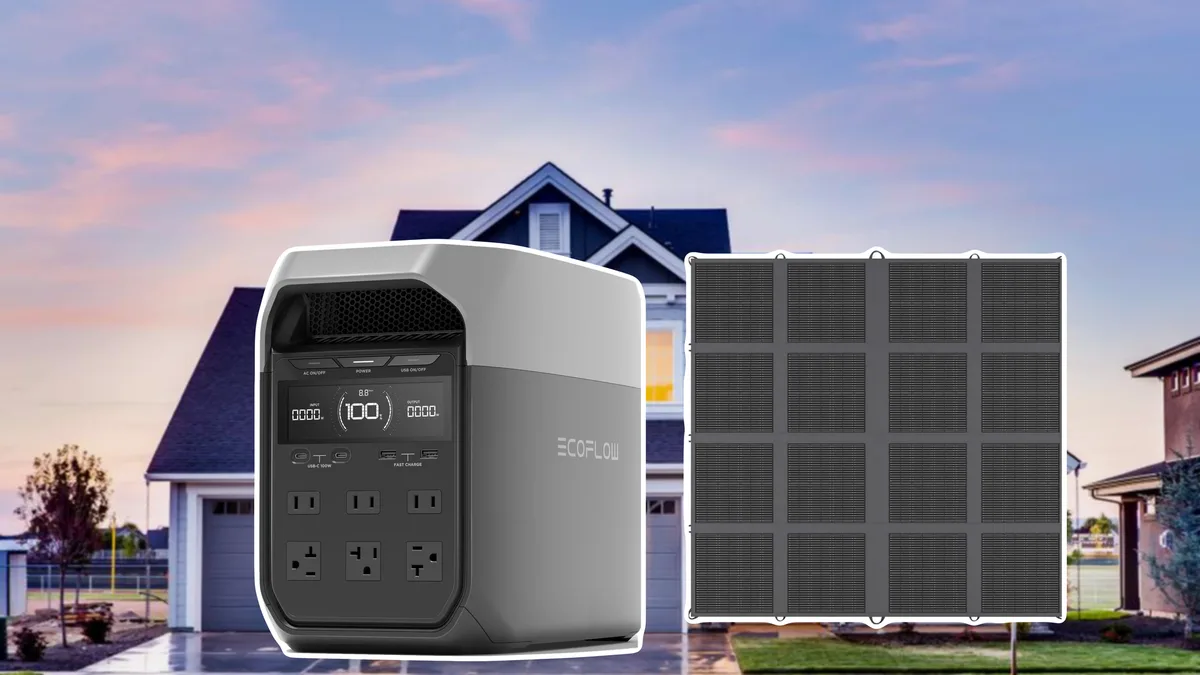
Our top picks at a glance
- Check Amazon Price
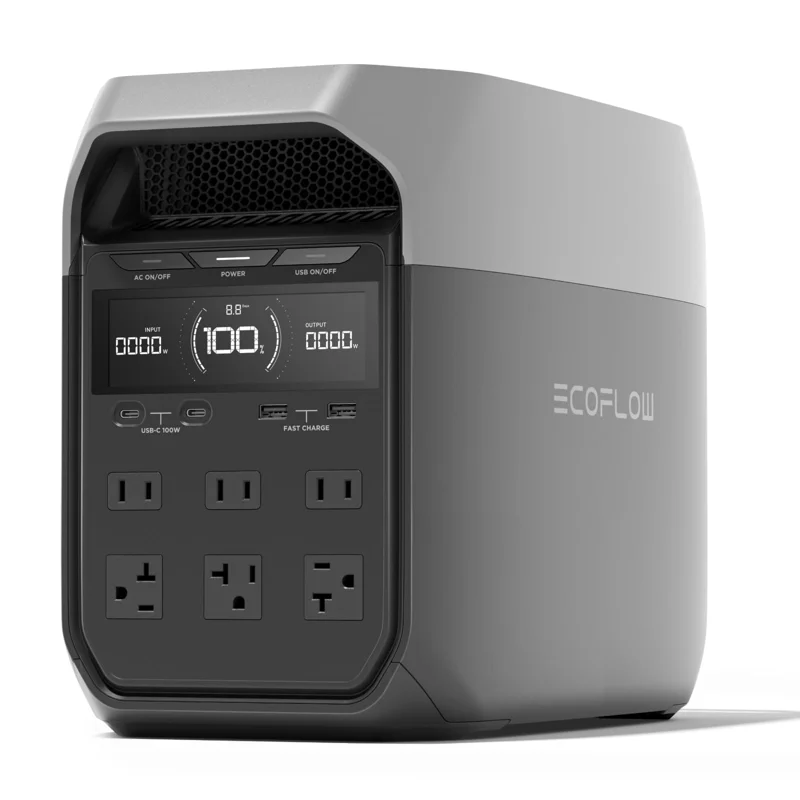
1,024 Wh and 1,800 W, with up to 500 W of solar input and room to expand to 5 kWh with EcoFlow extra batteries. Read more
Pros
- Full from the wall in about 56 minutes (EcoFlow)
- Under 10 ms switchover
- LFP, rated for 4,000 cycles
Cons
- One 500 W solar input
- Extra batteries must be EcoFlow's
- Check Amazon Price
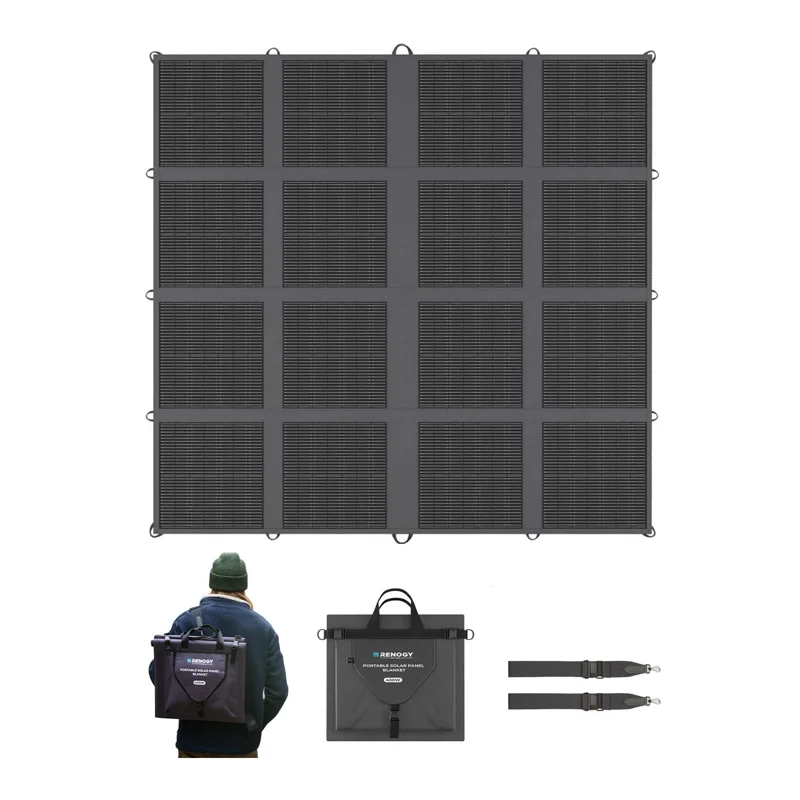
400 W from a 16-fold blanket that weighs about 16 pounds. About 39 V open-circuit, inside the DELTA 3's 11 to 60 V window. Read more
Pros
- Renogy lists the DELTA 3 as compatible
- Folds to backpack size
- N-type cells
Cons
- MC4 output only; you need an MC4 to XT60 cable
- Check Amazon Price
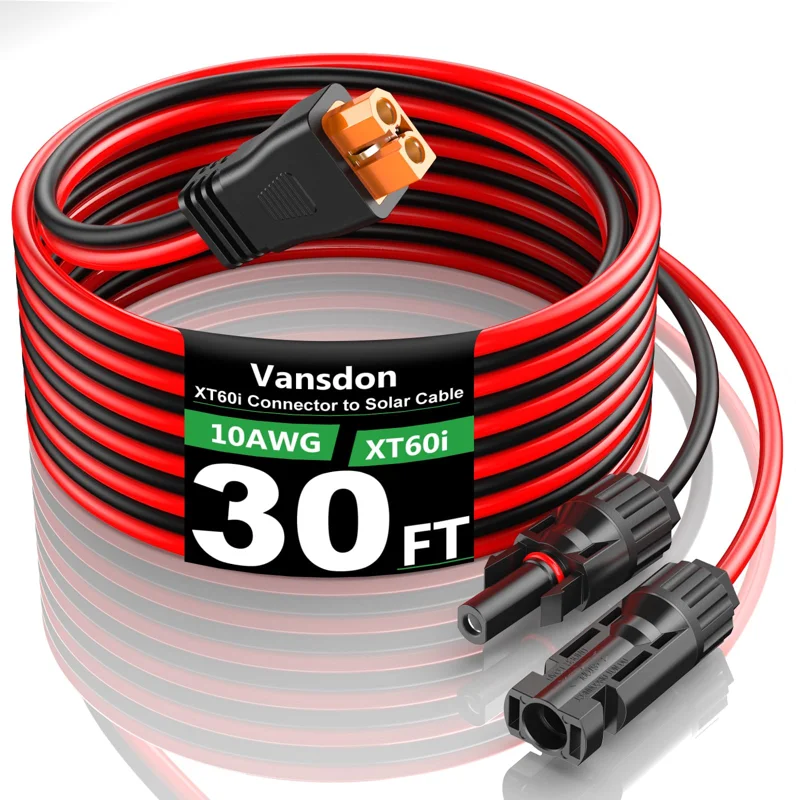
Connects the Renogy panel's MC4 plugs to the DELTA 3's XT60 solar port, with enough length to keep the station indoors. Read more
Pros
- 10 AWG
- 30 feet
Cons
- Third-party cable
- Check Amazon Price
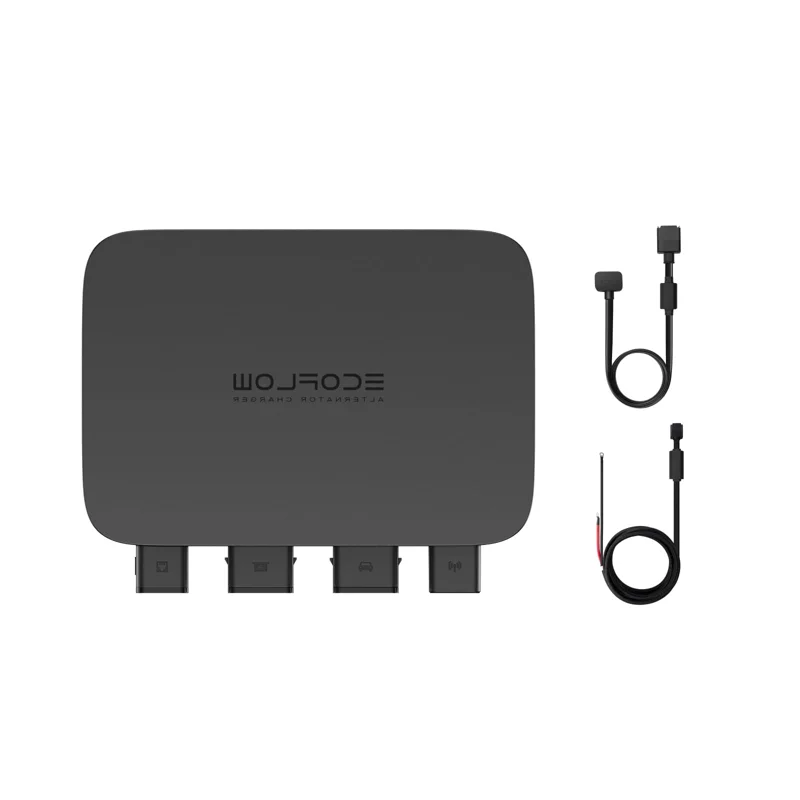
Charges the DELTA 3 from your car while the engine runs. EcoFlow says about 1.3 hours to full. Read more
Pros
- Cloudy-day backup
- Can also keep your car battery topped up
Cons
- Needs a proper install
- Run the car outside only
- Check Amazon Price
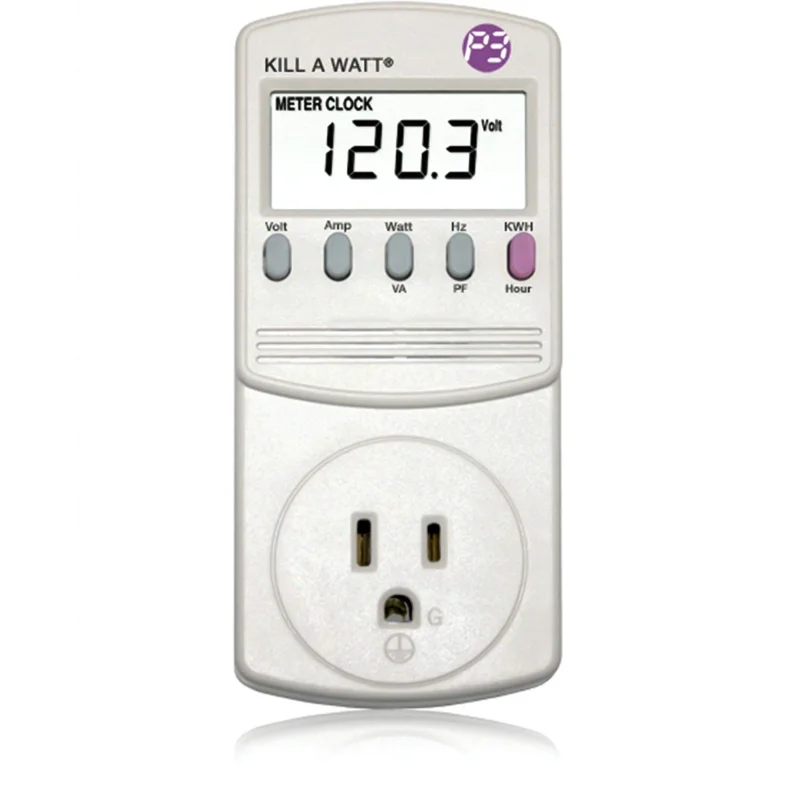
Plug an appliance into it and see its watts and the kilowatt-hours it uses over a day. Read more
Pros
- About $30
- Turns guesses into real numbers
Cons
- One appliance at a time
You don’t need a $2,000 power station to back up the essentials at home. This build starts with a $579 EcoFlow DELTA 3 and adds the pieces that make it a real solar backup setup.
I haven’t had this exact setup on my own bench. Everything below comes from EcoFlow’s spec page, Renogy’s panel specs and the Amazon listings, and I checked that every piece works with the others.
The build at a glance
| Piece | What it does | Key spec |
|---|---|---|
| EcoFlow DELTA 3 | Battery and outlets | 1,024 Wh, 1,800 W, 500 W solar (11 to 60 V) |
| Renogy 400W portable panel | Refills it from the sun | 400 W, about 39 V open-circuit |
| 30 ft MC4 to XT60i cable | Connects panel to station | 10 AWG |
| EcoFlow 800W Alternator Charger | Charges it from your car | About 1.3 hours to full (EcoFlow) |
| P3 Kill A Watt | Measures what your appliances use | Watts and kWh |
1. EcoFlow DELTA 3
The brain of the build. It’s a 1,024 watt-hour lithium iron phosphate battery with 1,800 watts of output, rated for 4,000 cycles. EcoFlow says it charges full from the wall in about 56 minutes, and it switches over in under 10 milliseconds when the power drops, so your router and computer stay on.
The reason to start here instead of a bigger box: it expands. EcoFlow says it takes extra batteries up to 5 kWh, so you can start at $579 and grow it later.
Check Amazon Price: EcoFlow DELTA 3
2. Renogy 400W Portable Solar Panel
The DELTA 3 takes up to 500 watts of solar, anywhere from 11 to 60 volts. This Renogy panel is rated at 400 watts with an open-circuit voltage of about 39 volts, so it fits inside those limits. Renogy lists the DELTA 3 as compatible. It folds down to about backpack size and weighs about 16 pounds.
In good sun, figure roughly four hours to refill the DELTA 3. Real output depends on the sun angle, heat and shade.
Check Amazon Price: Renogy 400W Portable Solar Panel
3. 30 ft MC4 to XT60i Solar Cable
The Renogy panel ends in MC4 plugs and the DELTA 3 uses an XT60 solar port, so you need a cable between them. A 30-foot run lets you put the panel in the sun and keep the station inside. Run it through a cracked window or door.
Check Amazon Price: 30 ft MC4 to XT60i Solar Cable
4. EcoFlow 800W Alternator Charger
This is the creative piece. It connects to your car’s battery and charges the DELTA 3 while the engine runs. EcoFlow says it fills the DELTA 3 in about 1.3 hours. On a cloudy day, that’s your backup for the backup. It can also keep your car battery topped up.
Always run the car outside, never in a closed or attached garage, and have the charger installed properly.
Check Amazon Price: EcoFlow 800W Alternator Charger
What about a cheaper third-party battery? The DELTA 3’s extra battery port only takes EcoFlow’s own batteries, so I’d skip the hacks. The car is the extra battery you already own.
5. P3 Kill A Watt P4400
Plug your fridge into it and it shows how many watts it pulls and how many kilowatt-hours it uses in a day. Then you know how long the DELTA 3 will last instead of guessing.
Check Amazon Price: P3 Kill A Watt P4400
The fridge math
A typical modern fridge uses roughly 1 to 2 kWh a day, so measure yours. The DELTA 3 alone carries a fridge for about a day. On a sunny day, the 400 W panel puts a big chunk of that back in, and on cloudy days the car fills the gap.
One safety rule
Never plug a power station into a wall outlet to feed the house. If you want it connected to your panel, that’s a transfer switch installed by an electrician.
Want something bigger?
If you’d rather buy one big box, see our guide to the best power stations for whole-home backup. For ready-made station and panel bundles, see our DIY solar backup kits.
We may earn a commission if you buy through links on this page. It never changes what we recommend. As an Amazon Associate we earn from qualifying purchases. Learn more.