How to Clean a Front-Load Washer That Smells
That musty smell comes from mildew and soap residue in the door gasket, drum and drain filter. Here's how to clean each part and keep the smell from coming back.


Front-load washers are efficient and gentle on clothes, but they have one well-known flaw: a musty, mildew smell. It happens because the rubber door seal (the gasket) traps water, lint and soap residue, and front-loaders seal tight, so moisture can’t escape between loads.
The fix takes about an hour, and the habits at the end keep it from coming back. Always check your washer’s manual first, since many brands have their own cleaning cycle and recommended cleaners.
What you’ll need
- A washer cleaner tablet, or chlorine bleach, or white vinegar (use one, never mix them)
- Warm water and a little dish soap
- An old toothbrush and microfiber cloths
- A shallow pan and towels, for the drain filter
- Rubber gloves
Step 1: Clean the door gasket
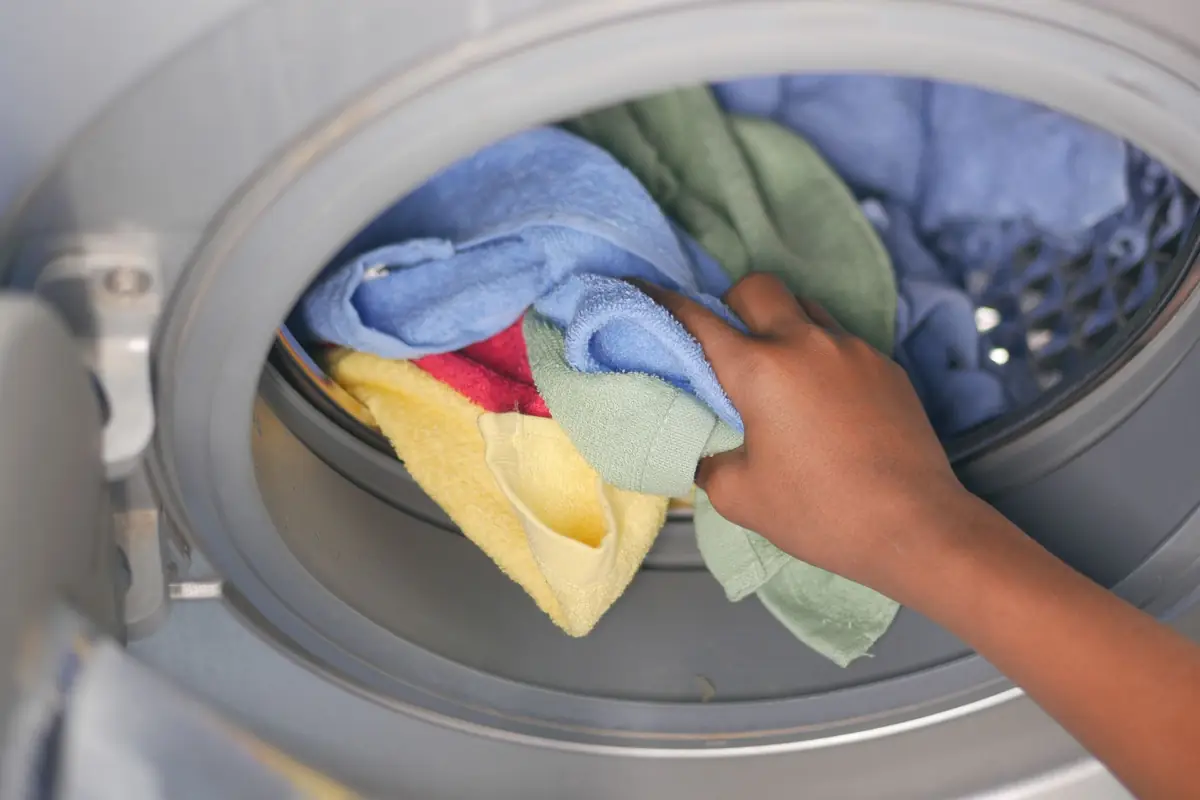
The gasket is the most common source of the smell.
- Pull back the folds of the rubber seal all the way around. Look for black spots, gray slime, hair, coins and lint.
- Remove any debris.
- Scrub the folds with a cloth or toothbrush dipped in warm, soapy water. For mildew, use a diluted bleach solution if your manual allows it, about 1/4 cup of bleach in a quart of water. Wear gloves and ventilate the room.
- Wipe it dry.
Some black mildew stains soak into the rubber and won’t fully come out. If the gasket is torn or badly stained, it can be replaced.
Step 2: Clean the drain pump filter
Many front-loaders have a small filter behind a panel at the bottom front. It catches lint, hair and small items, and it often smells.
- Put towels and a shallow pan under the panel. Water will come out.
- Open the panel. Some models have a small drain hose to empty water first.
- Slowly unscrew the filter and let the water drain.
- Clean out debris and rinse the filter in the sink.
- Screw it back in firmly and close the panel.
Check your manual for the location. Not every washer has a user-cleanable filter.
Step 3: Clean the detergent dispenser

- Pull out the dispenser drawer. Most have a release tab.
- Soak and scrub it in warm, soapy water.
- Clean the cavity where the drawer sits. Mold often hides on the top of the opening.
- Dry it and put it back.
Step 4: Run a cleaning cycle
- Make sure the drum is empty.
- Add your cleaner. Use a washer cleaner tablet in the drum, or follow your manual for bleach or vinegar. Don’t combine bleach and vinegar.
- Run the “Tub Clean” or “Clean Washer” cycle. If your washer doesn’t have one, use the hottest, longest cycle.
- Run an extra rinse if you used bleach or vinegar.
- Wipe the drum and gasket dry and leave the door open.
How to keep the smell away
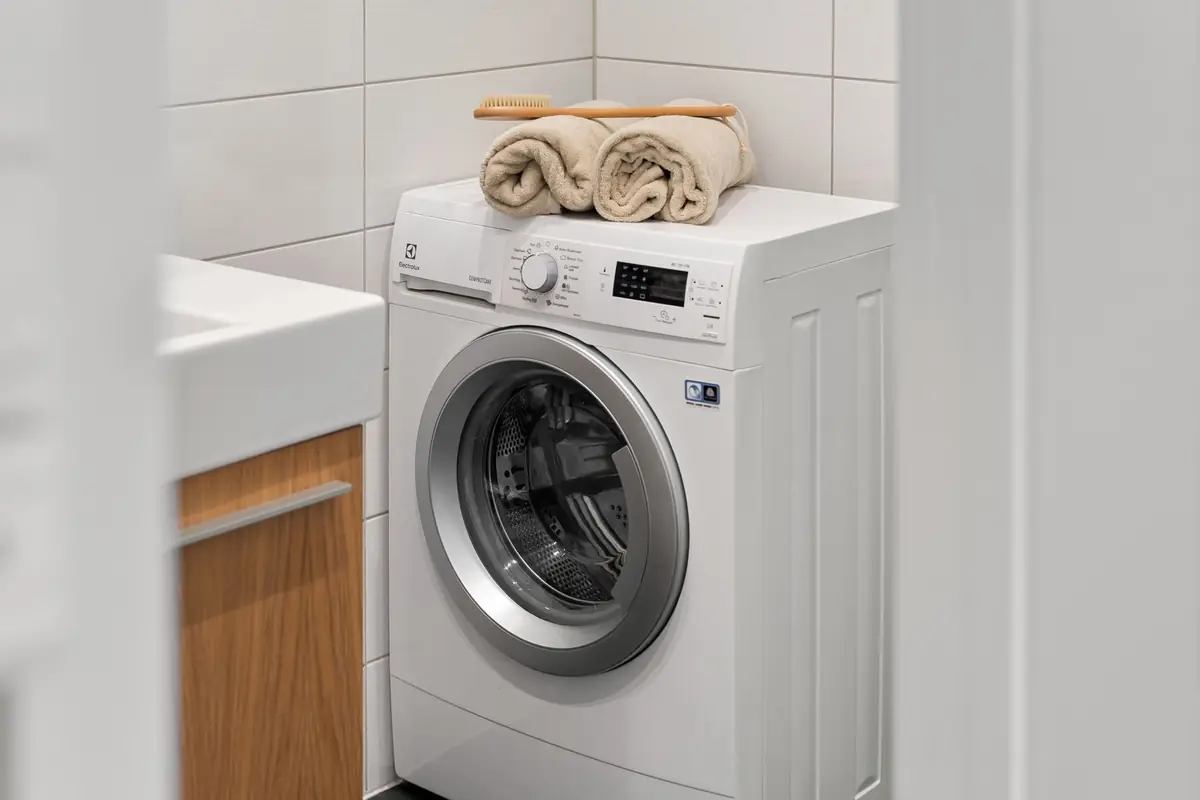
- Leave the door open after each load so the drum dries. Do the same with the dispenser drawer.
- Take wet clothes out promptly.
- Use HE detergent, and less of it. Too much soap leaves residue that feeds mildew. Follow the dosing lines, or less for small loads.
- Go easy on fabric softener. It also builds up.
- Run a cleaning cycle about once a month. Many washers will remind you.
- Wipe the gasket dry every week or two.
Still smells?
- Check the drain hose and standpipe. A clogged or poorly installed drain can let sewer smells back up.
- Look for a leak under the washer.
- Call for service if the smell is like burning or sewage, or if water isn’t draining.
Common questions
Should I use vinegar or bleach to clean my washer? Either can work, but check your manual first. Some makers recommend against vinegar because it may affect rubber parts over time. Never mix vinegar and bleach.
How often should I clean a front-load washer? Run a cleaning cycle about monthly, and wipe the gasket every week or two.
Do top-loaders get smelly too? Less often, but yes. The same cleaning cycle helps.
Shopping for a new washer? See the best apartment-size washer and dryer sets and the best ventless washer dryer combos.