How to Test a Sump Pump (and How Often)
A 10-minute bucket test tells you whether your sump pump and backup will work in the next storm. Here's how to test both, what to listen for, and when to replace.

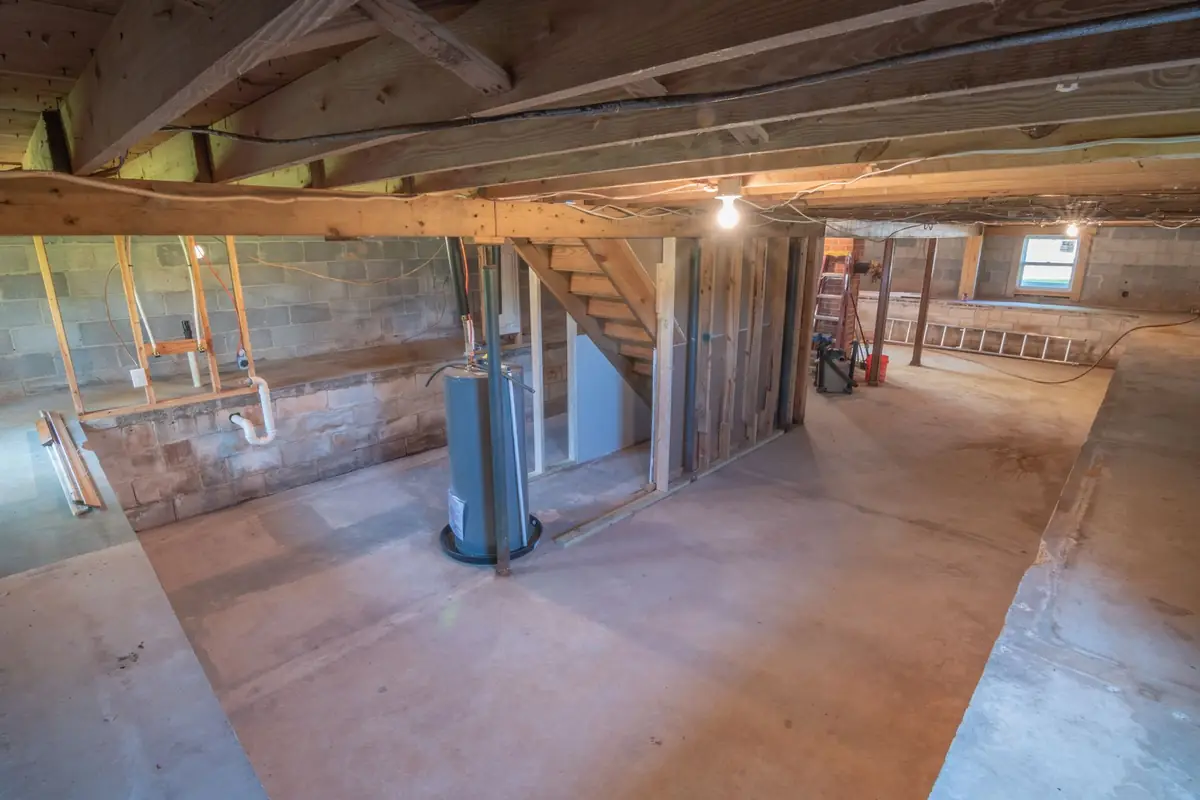
Most people find out their sump pump is broken when the basement floods. A simple test takes about 10 minutes and tells you whether it will work in the next storm.
Test your sump pump every 3 months, and always before spring rains and any big storm. Test a battery backup at the same time.
What you’ll need
- A 5-gallon bucket of water
- A flashlight
- Gloves
How to test your primary sump pump
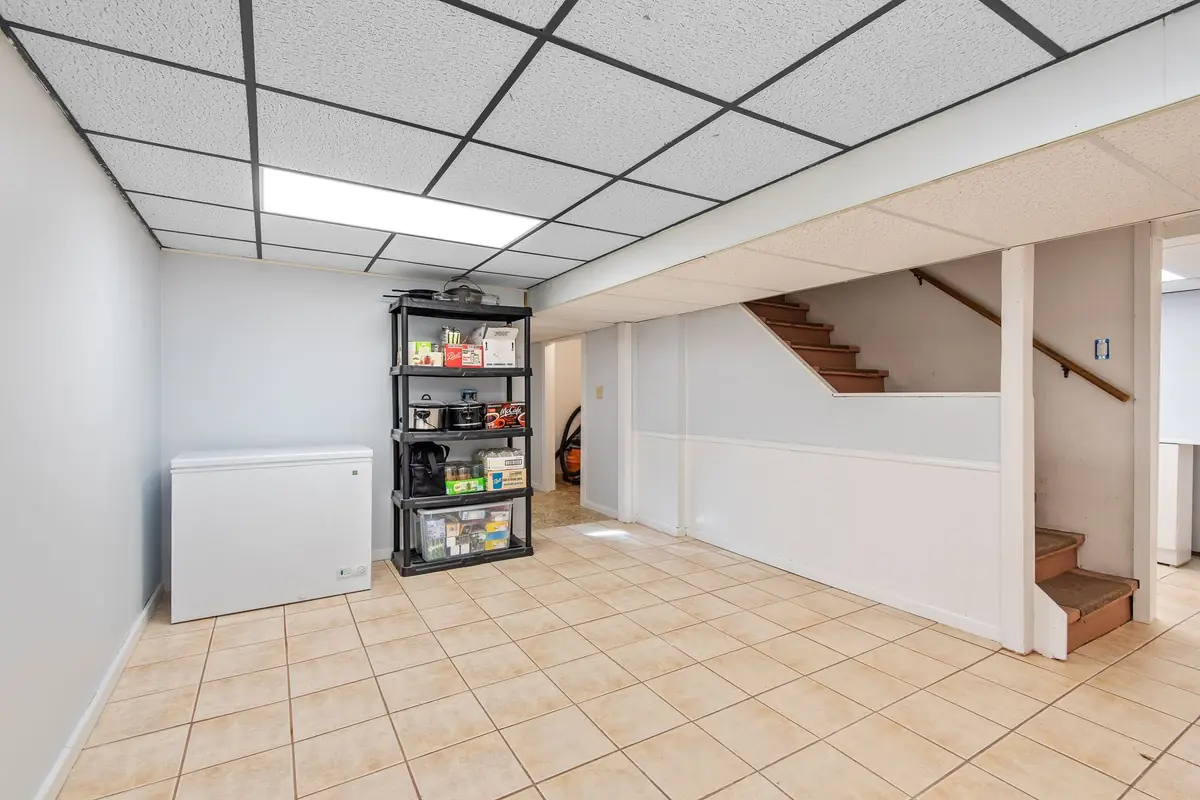
- Check that the pump is plugged in. Many pumps use a piggyback plug, with the float switch plugged into the outlet and the pump plugged into the back of the float plug. Make sure both are seated. If the outlet is GFCI-protected, check that it hasn’t tripped.
- Remove the pit cover and look inside with a flashlight. Clear out debris, gravel or anything that could jam the float.
- Slowly pour water into the pit until the float rises.
- Watch for the pump to turn on. It should start when the float reaches its set level.
- Check that the water drains quickly and the pump shuts off once the water drops.
- Go outside and check the discharge pipe. Water should be flowing out, away from the foundation. Make sure the outlet isn’t blocked by ice, leaves or soil.
How to test a battery backup pump
- Unplug the primary pump (or switch off its circuit, if that won’t cut power to the backup charger).
- Pour water into the pit until it reaches the backup pump’s float, which is usually set higher than the primary.
- Confirm the backup turns on, pumps the water down and shuts off. The alarm should sound if your system has one.
- Plug the primary pump back in. Don’t forget this step.
- Check the battery. Many systems have a test button and charge indicator. Replace batteries that won’t hold a charge.
Warning signs your pump needs attention
- It doesn’t start, or starts only after you jiggle the float
- It runs but doesn’t lower the water, which can mean a clogged intake, a stuck check valve or a frozen or blocked discharge line
- It runs constantly, even when the pit is nearly empty
- Loud grinding, rattling or humming
- It cycles on and off rapidly
- It’s more than about 7 to 10 years old
Quick maintenance while you’re there
- Clean the intake screen if your pump has one.
- Make sure the pump sits level and the float moves freely.
- Listen for the check valve closing with a thunk when the pump shuts off. A failed check valve lets water flow back into the pit.
- Make sure the discharge line drains well away from the house, ideally 10 feet or more, or as local code requires.
Once a year, it’s worth pulling the pump to clean the pit and check for wear, or having a plumber do it.
When to call a plumber
- The pump won’t run after you’ve checked power and the float
- Water backs up even when the pump runs
- The motor smells burnt or trips the breaker
- You need a new pump or a backup system installed
FAQ
How long do sump pumps last? Often about 7 to 10 years, depending on how often they run.
Should I add a battery backup? If your pump runs during storms, yes. Power outages and pump failures often happen together. See the best battery backup sump pumps.
Can a generator run my sump pump? Yes, if it’s sized for the pump’s starting watts. See the best generators for home backup power.