How Many CFM Does Your Range Hood Need?
A simple way to size a range hood for a gas, electric or induction stove, why duct length matters, and the 400 CFM make-up air rule that catches a lot of people off guard.

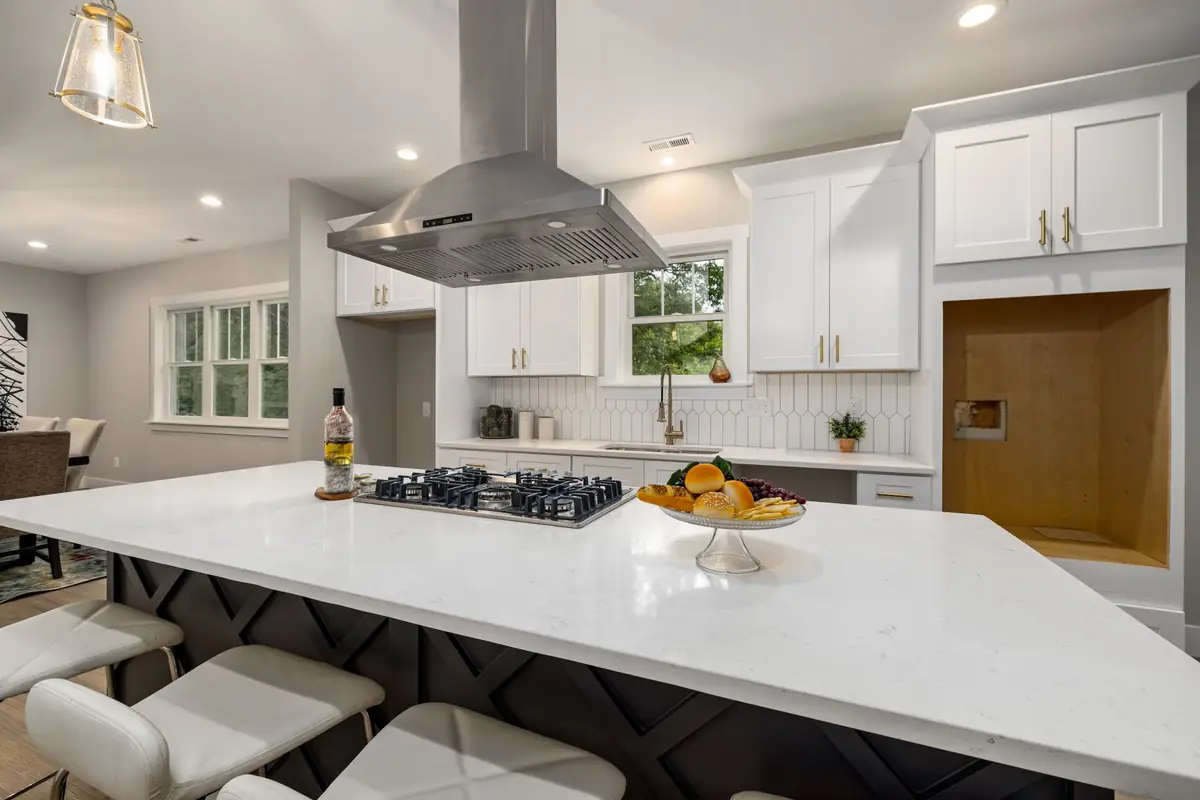
CFM stands for cubic feet per minute: how much air a range hood can pull out of your kitchen. More isn’t always better. Too little and smoke lingers. Too much and you pay for a loud blower, and possibly for make-up air you didn’t plan on.
The quick answer
| Your cooktop | Starting point |
|---|---|
| Electric or induction | About 350 to 500 CFM is often enough |
| Gas | At least 100 CFM for every 10,000 BTU of total burner output |
Both rules come from Broan-NuTone's sizing guidance. They're minimums for good capture, not maximums.
Sizing a hood for a gas stove
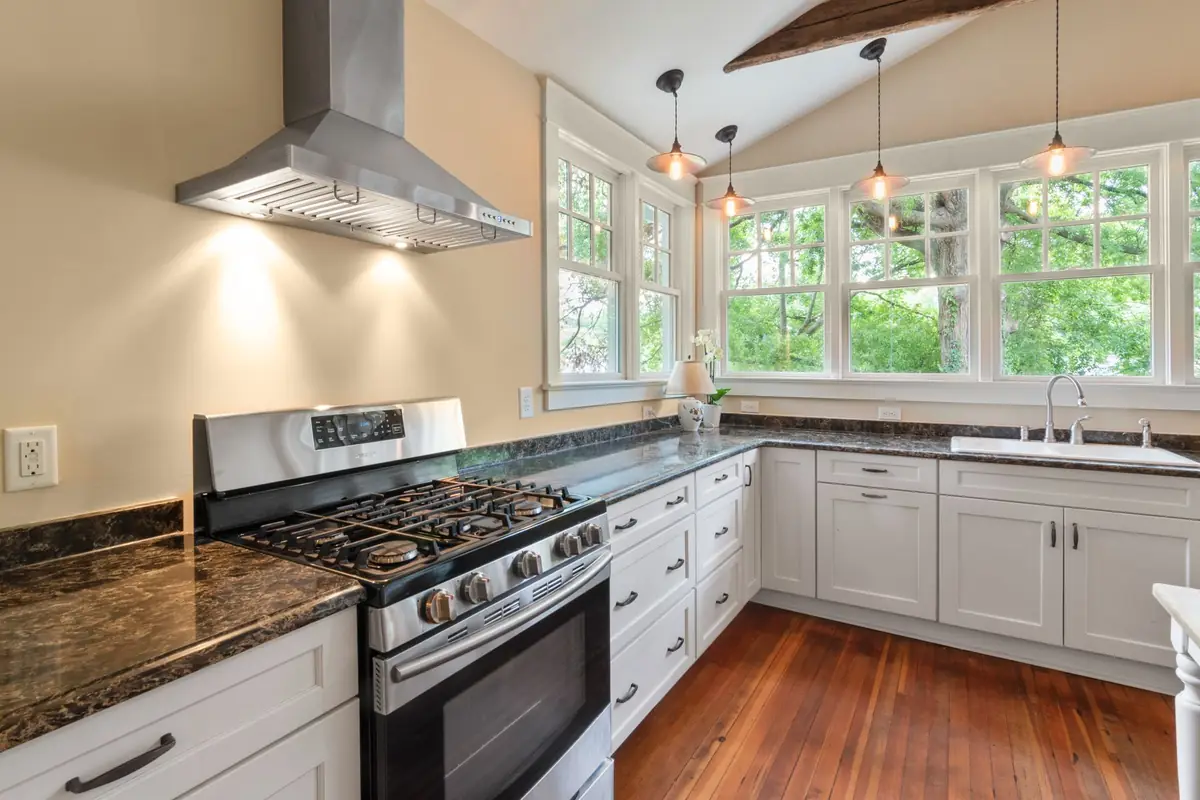
Add up the BTU rating of every burner on your cooktop. You’ll find it in the manual or on the spec sheet. Divide by 100.
- A typical 4-burner gas range at 50,000 BTU total: about 500 CFM
- A pro-style range at 80,000 BTU: about 800 CFM
You won’t run every burner on high at once, but this keeps the hood from falling behind when you sear or stir-fry.
Sizing for electric and induction
Electric and induction cooktops don’t burn fuel, so they don’t add combustion gases or as much heat. A hood in the 350 to 500 CFM range handles most home cooking. Go higher if you sear, wok-fry or use a grill pan often.
Adjust for your kitchen
- Long or twisty duct runs lower real airflow. Every elbow and extra foot of duct adds resistance, so the hood’s rated CFM is the best case.
- Duct size matters. Broan lists the minimum duct as about 3 x 10 inches rectangular, or about 6 inches round. Many hoods over 400 CFM call for a 6- to 8-inch round duct. Use the size your hood’s manual specifies.
- Island hoods hang in open air with no wall to guide smoke up, so they usually need more CFM and a wider hood than a wall or under-cabinet model.
- Hood width matters as much as CFM. A hood at least as wide as the cooktop, or 3 inches wider, catches more smoke.
The 400 CFM make-up air rule
This is the part that surprises people. Under the International Residential Code (section M1503), a kitchen exhaust system that can pull more than 400 CFM needs make-up air: a way for an equal amount of fresh air to get back into the house.
Why? A powerful hood in a tight, modern house can pull air back down a water heater or furnace flue, or make doors hard to open. Make-up air systems can be a passive damper or a powered unit, and they add cost to the install.
A few things to know:
- Broan says to use the hood’s HVI-certified CFM rating at 0.1 inch of static pressure to decide whether you cross the 400 CFM line.
- Some states and cities change the threshold. Check with your local building department.
- If you’re close to the line, a 400 CFM hood with good capture often beats a 600 CFM hood that triggers make-up air.
Ducted vs ductless
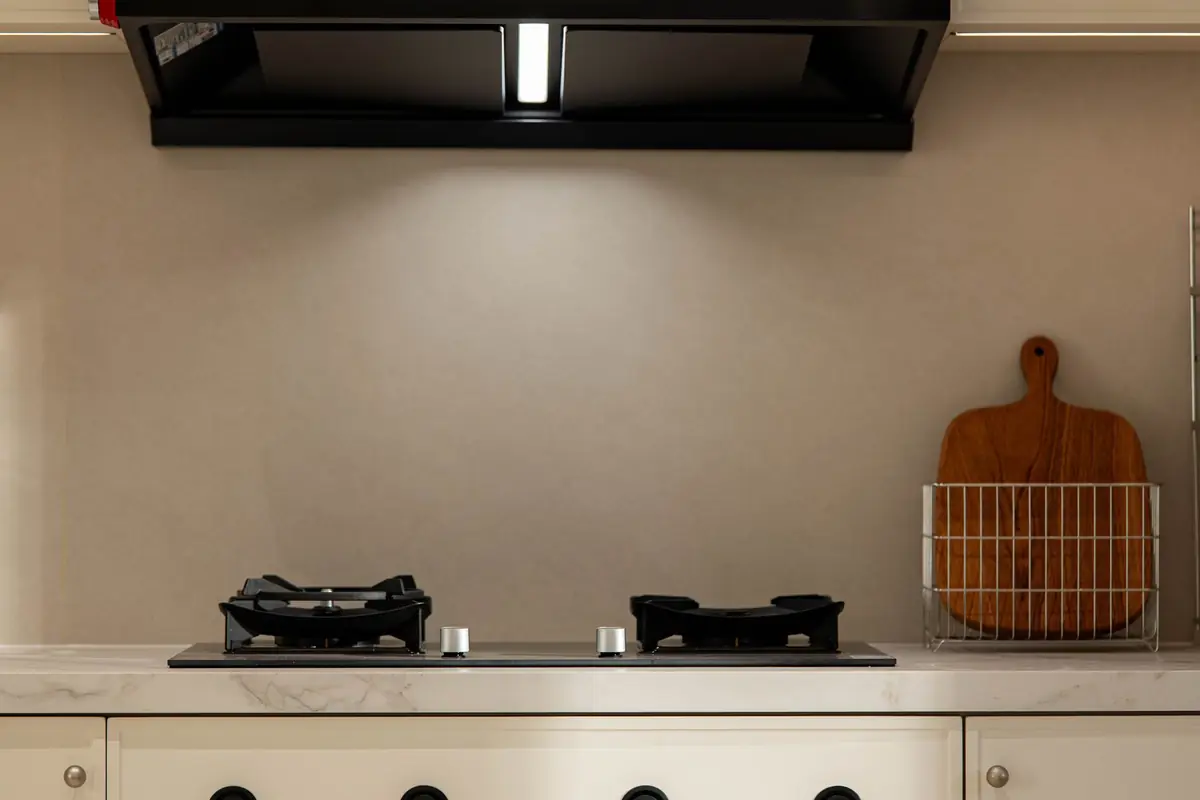
A ductless (recirculating) hood pulls air through a charcoal filter and blows it back into the kitchen. It catches some grease and odor but doesn’t remove heat, moisture or gas combustion fumes. Consumer Reports found its only recirculating hood performed far worse than vented ones. Use ductless only when venting outside isn’t possible.
Gas stoves and indoor air
Consumer Reports notes that gas stoves can release nitrogen oxides, carbon monoxide and benzene, and that a vented hood, especially with a window open, can reduce some of that pollution. Run the hood every time you cook on gas.
FAQ
Is 300 CFM enough? For an electric or induction cooktop and everyday cooking, often yes. For most gas ranges, it’s on the low side.
Is 600 CFM too much? Not for a large gas range, but it likely means you need make-up air, and it’ll be louder.
What about noise? Check the sone rating at the speed you’ll use most. Lower is quieter. Nearly every hood is loud on its highest setting.
Ready to shop? See the best 30-inch under-cabinet range hoods.