How to Change a Furnace Filter (and Which Way the Arrow Goes)
Find the filter, read the size off the old one, point the airflow arrow toward the furnace, and slide the new one in. A plain step-by-step guide, plus how often to change it and what MERV numbers mean.

Changing a furnace filter is one of those jobs that takes five minutes once you know where everything is, and an hour of standing in the basement staring at sheet metal the first time. There are really only three things to figure out: where the filter lives, what size it is, and which way it faces. Everything else is just sliding it in.
If your heat has just come on for the season and you can’t remember the last time anyone touched the filter, now is the time.
Step 1: Turn the system off
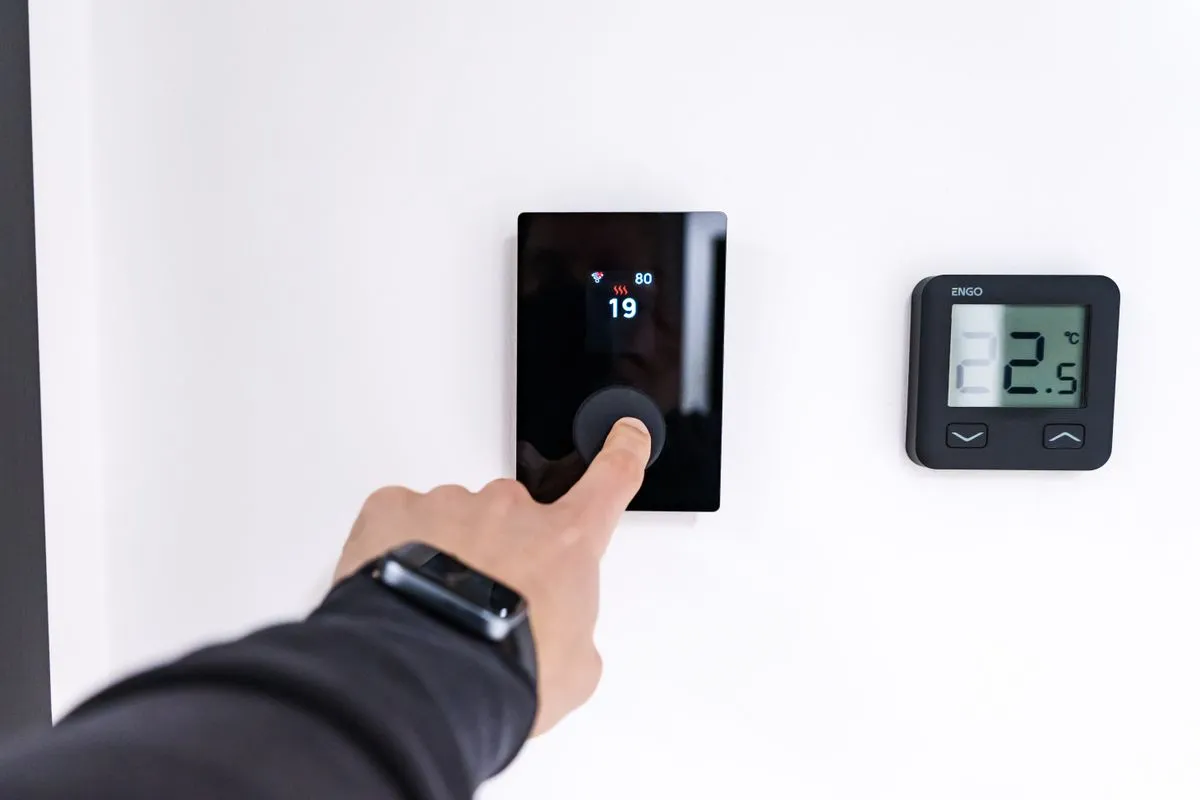
Set the thermostat to off before you pull the old filter. With the system running, the blower pulls hard on whatever is in that slot, and with the filter out it pulls dust straight into the blower and the coil. It also means the filter won’t get sucked against the opening while you’re trying to wiggle it out.
You don’t need to flip the breaker for a normal filter change. If your filter sits behind the blower compartment door inside the furnace cabinet, though, turn off the furnace’s power switch (it usually looks like a light switch on or near the unit). Most furnaces won’t run with that door off anyway, because a safety switch cuts the power.
Step 2: Find the filter
The filter always sits on the return side, where air comes back to the furnace, never on the side that blows warm air out. In most homes it’s in one of three places:
- In a slot next to the furnace. Look where the big return duct meets the furnace cabinet, usually on the side or bottom of the unit. You’ll see a narrow slot with a thin cover or a strip of foil tape over it.
- Inside the furnace cabinet. Some units keep the filter right behind the lower door, in front of the blower. Pull the door straight up and out.
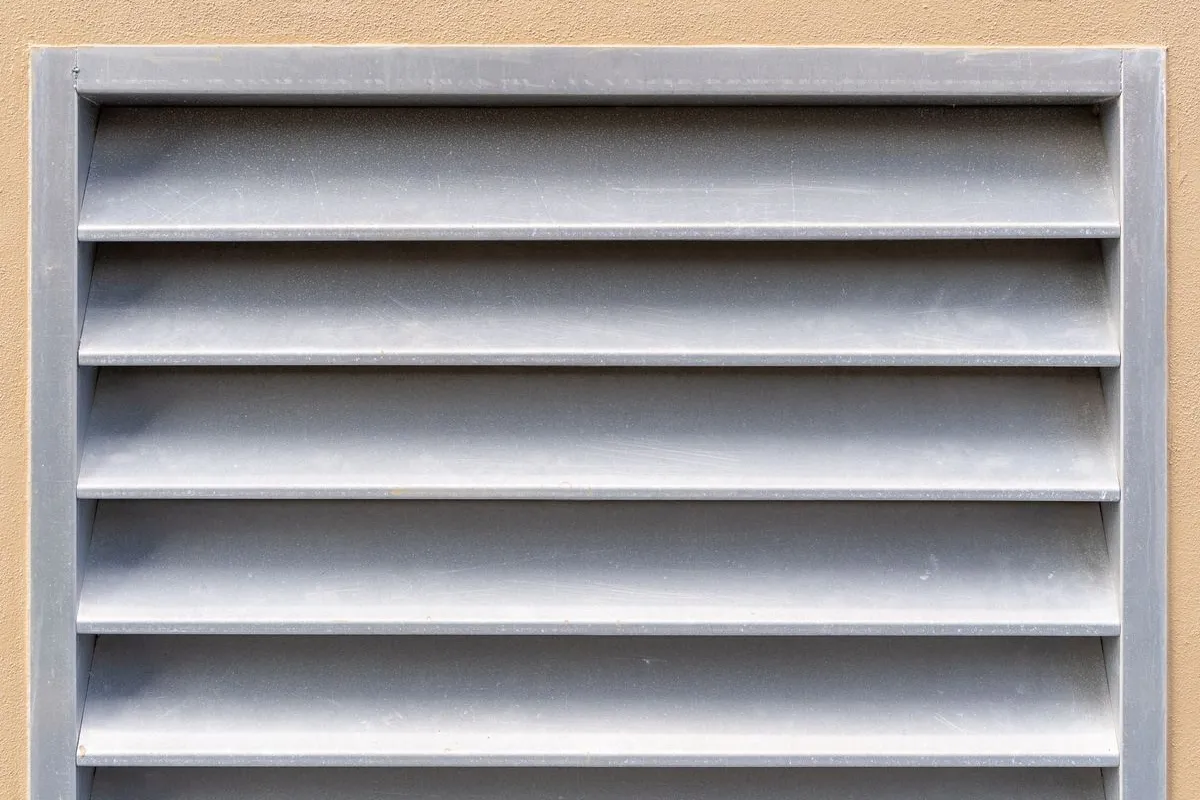
- Behind a return grille in a wall or ceiling. Many apartments, townhomes and homes with the furnace in a closet or attic put the filter behind a large grille in a hallway. These grilles are bigger than the supply vents and have no damper lever. Flip the latches or turn the screws, and the grille swings down.
Some homes have more than one return grille, each with its own filter. If you find a filter at a grille and another one at the furnace, check whether both are supposed to be there. Two filters stacked in the same air path choke the system, and it’s a surprisingly common mistake.
Step 3: Read the size off the old filter
The size is printed on the cardboard frame, something like 16x25x1. That’s the nominal size, rounded up for easy shopping. The actual filter is a little smaller, often about half an inch less on each side (15.5 x 24.5 x 0.75 for a 16x25x1). That’s normal. Buy by the nominal number on the frame.
If the old filter has no label or isn’t there at all, measure the slot itself: width, height and depth. Thick filters (4 or 5 inches deep) go in a separate cabinet bolted to the furnace and usually last much longer than the thin 1-inch kind.
Take a phone photo of the label while you’re there. Next time you won’t have to go down and look.
Step 4: Point the arrow toward the furnace
This is the part everyone asks about. Every disposable filter has an arrow printed on the frame, labeled “air flow.” The arrow points the way the air travels, which is toward the furnace and away from the return duct or grille.
An easy way to keep it straight: the air comes from the house, goes through the filter and then into the furnace. So:
- Slot beside the furnace: arrow points into the furnace cabinet.
- Horizontal furnace (common in attics and crawl spaces): arrow points along the duct toward the unit.
- Wall or ceiling return grille: arrow points away from you, into the wall or up into the ceiling, toward the duct.
Why does it matter? The intake side of most pleated filters is built to catch dirt, and the back is often reinforced with a wire mesh so the filter doesn’t bow inward when the blower pulls on it. Put it in backward and that support is on the wrong side. The filter can flex, let air sneak around the edges, and load up unevenly.
Step 5: Slide it in and close everything up
- Pull the old filter out slowly, keeping it level so the dust stays on it rather than on the floor. Slip it straight into a trash bag.
- Wipe or vacuum the slot if you see dust built up along the edges.
- Slide the new filter in with the arrow pointed toward the furnace. It should fit snugly, with no gaps around the edges. A filter that’s too small lets air bypass it completely.
- Replace the cover, door or grille. If the slot had foil tape over it, put a fresh piece on. An open slot pulls in unfiltered air from the basement or garage.
- Write the date on the frame with a marker so you know when it went in.
- Turn the system back on.
How often to change it
There’s no single right answer, but here are reasonable starting points for a typical home:
| Filter type | Check it | Typical change |
|---|---|---|
| 1-inch pleated | Every month | Every 1 to 3 months |
| 1-inch fiberglass (the flat, see-through kind) | Every month | Every month |
| 4- to 5-inch media | Every few months | Every 6 to 12 months |
Change it sooner if you have pets that shed, someone in the house has allergies, you’re running the system hard in a cold snap, or there’s dust from a renovation. The filter maker’s label usually gives a range too.
The simplest check is to pull it out and hold it up to a light. If you can barely see light through it, or the pleats are gray and fuzzy, change it, no matter what the calendar says.
What MERV numbers mean
MERV is a rating from 1 to 16 for how well a filter catches small particles. Higher numbers catch finer dust, pollen and pet dander. Most homes do well with something in the MERV 8 to 11 range, and MERV 13 is popular for allergies.
The catch is that a denser filter is also harder to push air through. Some older or smaller furnaces struggle with high-MERV 1-inch filters, especially once they start to load up. If you move up to a higher rating, check your furnace manual for its recommendation, and change the filter on the early side. Thicker 4-inch filters get around a lot of this because they have more surface area.
Signs the filter is overdue

A clogged filter doesn’t usually announce itself. It shows up as:
- Weak airflow at the vents, especially in rooms farthest from the furnace.
- The furnace running longer to reach the temperature you set.
- More dust settling on furniture, or a dusty smell when the heat kicks on.
- The furnace shutting off early and restarting. A badly clogged filter can make the heat exchanger run hot, and a safety switch cuts the burners. If this keeps happening after a fresh filter, call a technician.
Washable filters
Some homes have a reusable filter with a plastic or metal frame. Pull it out, rinse it with a hose or in a utility sink from the clean side toward the dirty side, and let it dry completely before putting it back. A damp filter can grow mold. Since it has to dry, some people keep a disposable on hand to use in the meantime.
A few more tips
- Never run the furnace without a filter, even for a day. Dust that coats the blower and the cooling coil above the furnace is far harder to clean than a filter is to replace.
- Buy a few at a time. Filters are much easier to change on schedule when one is already sitting next to the furnace.
- Set a reminder. A recurring phone reminder every couple of months, or every time you get your utility bill, takes the guesswork out.
While you’re thinking about home safety this season, it’s also a good time to check your smoke alarms. Here’s how to replace a smoke detector, both battery and hardwired.