How to Replace a Smoke Detector (Battery and Hardwired)
Check the date on the back, then swap the alarm: a battery unit comes off the ceiling with a twist, and a hardwired one needs the breaker off and a plug or three wires. Step-by-step for both, plus where alarms should go.

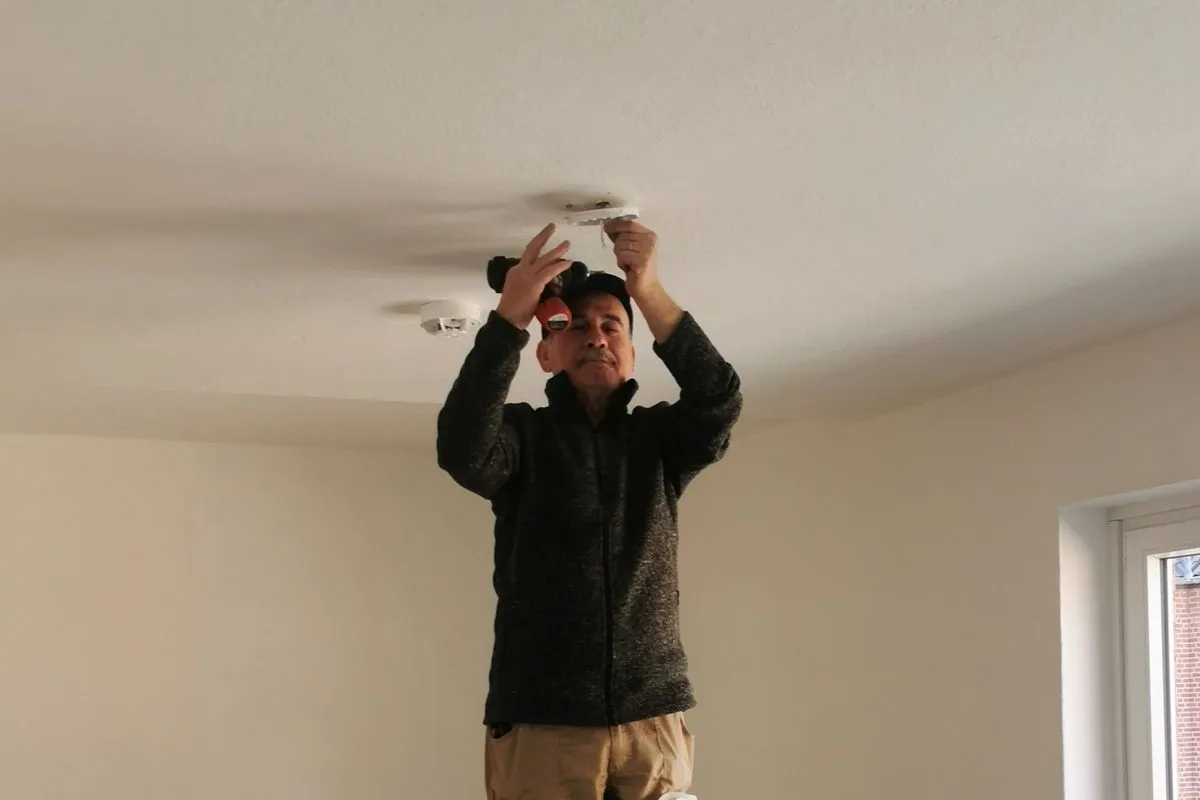
Most people only think about a smoke detector when it starts chirping at three in the morning. But swapping out the whole alarm, not just the battery, is something every home needs to do eventually, and it’s an easier job than it looks. A battery-only alarm takes a couple of minutes. A hardwired one takes maybe twenty, most of it spent on the ladder.
First, check whether it actually needs replacing
Smoke alarms don’t last forever. The sensors lose sensitivity over the years, and fire safety groups and manufacturers agree that you should replace any smoke alarm about 10 years after the date it was made.
Twist the alarm off its base (see below) and look at the back. You’ll find a manufacture date printed or stamped on the label. If it’s 10 years old or more, or there’s no date at all, replace it. Many newer alarms also have an end-of-life signal, usually a chirp that keeps going even with a fresh battery, or a code on the display.
Replace an alarm early if:
- It doesn’t sound when you press and hold the test button, even with a new battery.
- It keeps chirping after you’ve put in a fresh battery and pressed the reset or hush button.
- It’s a sealed 10-year battery model that has started chirping. The battery in those can’t be changed. The whole unit is done.
- It has been painted over, or the vents are clogged with grease or dust you can’t clean out.
Before you go buy a new one, figure out which kind you have.
Battery-only or hardwired?
Twist the alarm counterclockwise and it should come off its mounting plate.
- Nothing attached to the back: it’s a battery-only alarm, screwed to the ceiling with a plastic base. This is the easy one.
- A plug with a short bundle of wires on the back: it’s hardwired. It runs on household power, with a battery as backup during an outage. In most homes, hardwired alarms are also interconnected, so when one goes off, they all go off.
Keep the old alarm in hand when you shop. Replacing a hardwired alarm with the same brand and line often means the new one plugs right into your existing wiring connector. Some brands also sell adapters for other brands’ plugs. If you can’t match it, that’s fine too. You’ll just swap the connector, which we cover below.
How to replace a battery-only smoke detector
- Twist the old alarm counterclockwise and pull it off the base.
- Unscrew the old mounting plate from the ceiling. Old plates rarely line up with a new alarm’s slots.
- Hold the new plate up and mark the holes with a pencil. If the old screw holes are in the right spot, you can reuse them.
- Drill small pilot holes and push in the plastic anchors that come in the box, then screw the plate up. In a wood ceiling or right over a joist you can skip the anchors.
- Pull the battery tab or put in the battery, then line the alarm up with the plate and twist it clockwise until it clicks.
- Press and hold the test button until it sounds.
Write the install date on the back with a marker before you put it up, so whoever checks it next doesn’t have to guess.
How to replace a hardwired smoke detector
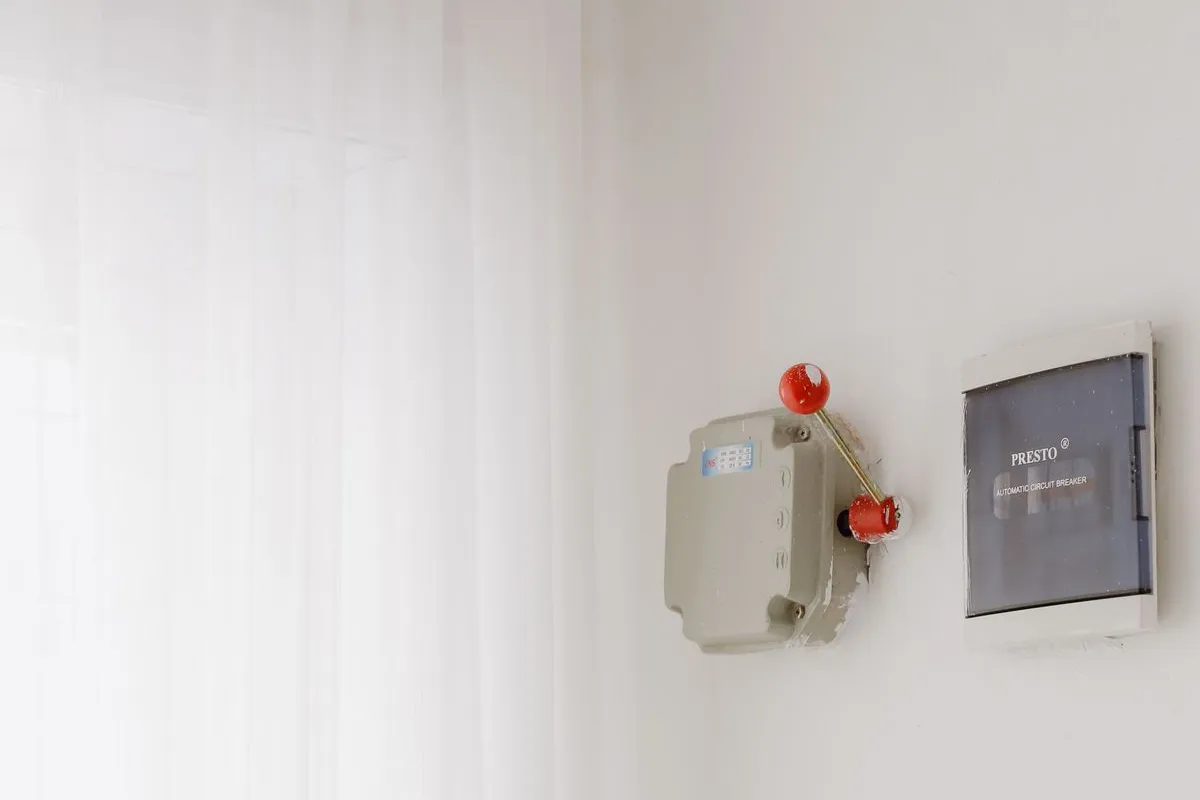
Hardwired alarms run on 120 volts, so this part needs the power off first. If you’ve never worked on household wiring and the job below makes you nervous, an electrician can swap several alarms in one short visit.
Turn off the power
- Find the breaker. Smoke alarms are often on a circuit labeled “smoke,” “alarms,” or shared with a bedroom or hallway lighting circuit. If nothing is labeled, flip breakers until the green power light on the alarm goes out.
- Confirm it’s off. After you take the alarm down, hold a non-contact voltage tester near the wires in the ceiling box. Remember that the alarm’s own battery keeps it beeping and blinking even with the breaker off, so the alarm itself isn’t a reliable sign.
Remove the old alarm
- Twist the alarm counterclockwise and let it hang from its wires.
- Squeeze the tab on the plug and pull it out of the back of the alarm.
- Take out the battery so the old alarm stops chirping at you.
If the new alarm’s plug fits the old connector
Plug the old connector into the new alarm, then skip to “Mount it and test.”
If the plug doesn’t match
You’ll swap the wiring connector and mounting plate for the ones in the new box.
- Unscrew the old mounting plate from the electrical box.
- Untwist the wire nuts connecting the old connector’s wires to the house wires. Take a phone photo first so you can see what went where.
- Connect the new connector, matching colors, with the wire nuts from the box:
- Black to black. This is the hot wire.
- White to white. This is the neutral.
- The red (sometimes orange or yellow) wire on the connector to the red wire from the ceiling. This is the interconnect wire that lets the alarms talk to each other. If there’s no red wire in the ceiling, the alarm isn’t interconnected. Cap the connector’s red wire on its own with a wire nut so it touches nothing.
- Tug each wire gently to make sure it’s held tight in the nut, and check that no bare copper shows below the nut.
- Fold the wires into the box and screw the new mounting plate to it.
- Plug the connector into the new alarm.
Follow the instructions that come with the new alarm if they differ from these. The wire colors on some connectors vary, and the manual will say which is which.
Mount it and test
- Put in the backup battery or pull the battery tab.
- Line the alarm up with the plate and twist clockwise until it locks.
- Turn the breaker back on. The green power light should come on.
- Press and hold the test button. If your alarms are interconnected, every alarm in the house should sound together. If only the new one does, the red interconnect wire probably isn’t connected, or the new alarm isn’t compatible with the others. Many brands only interconnect with their own models, which is one more reason to stay with one brand throughout the house.
It’s a good idea to replace all of your hardwired alarms at the same time if they were installed together. They’re the same age, and you’ll be up the ladder anyway.
Where smoke alarms should go
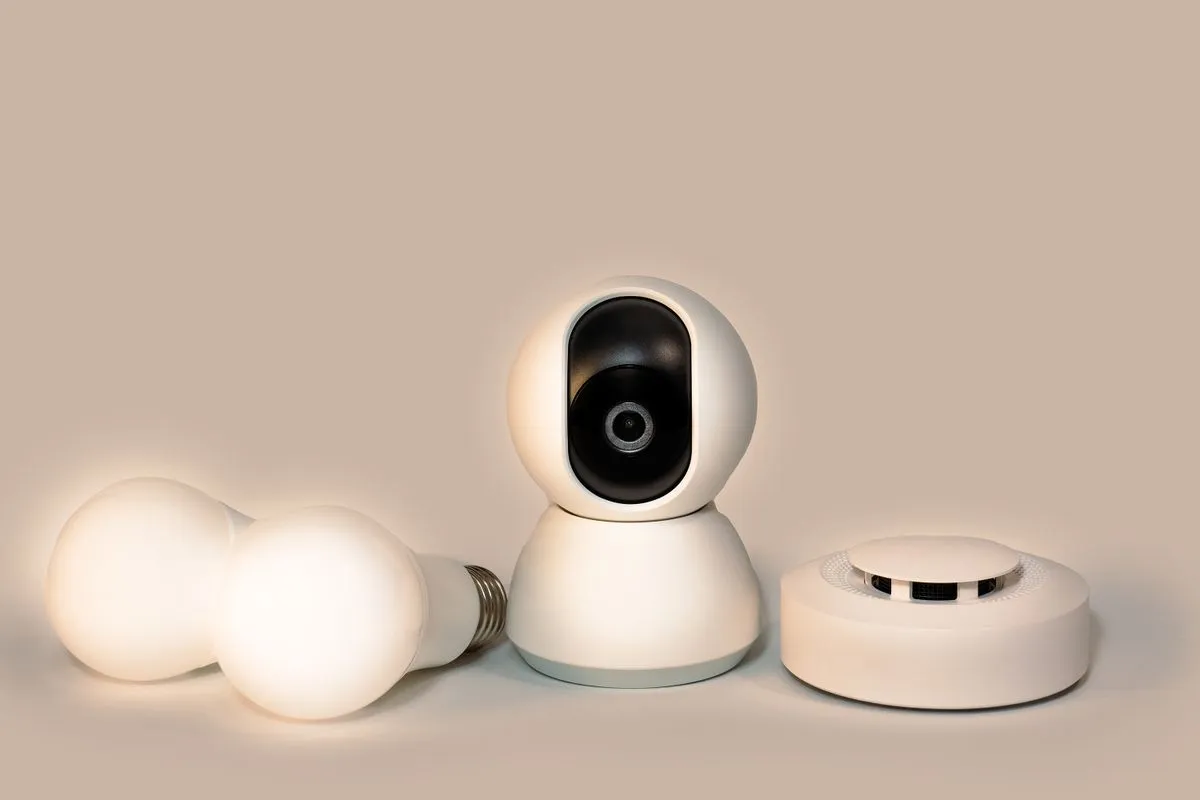
If you’re replacing alarms, it’s a good moment to check whether you have enough of them. The usual guidance in the US, based on the national fire alarm code, is:
- Inside every bedroom.
- Outside each sleeping area, in the hallway that leads to the bedrooms.
- On every level of the home, including the basement.
For placement:
- On the ceiling, or high on a wall. Smoke rises. Wall-mounted alarms should be within 12 inches of the ceiling.
- About 10 feet or more from the stove to cut down on false alarms from cooking. Many fire safety groups recommend a photoelectric alarm near kitchens because it’s less prone to going off from normal cooking smoke.
- Away from bathroom doors, where shower steam can set them off, and away from windows, ceiling fans and heating or air vents that can blow smoke away from the sensor.
- On a peaked ceiling, within 3 feet of the peak but not right in the very top few inches, where a pocket of dead air can keep smoke away.
Local codes can add to this, especially for rental homes and new construction, so check with your local fire department if you’re not sure. Many will answer questions over the phone, and some install alarms for free.
Keeping them working
- Test every alarm once a month with the test button.
- Replace replaceable batteries once a year, or whenever an alarm chirps. Some people do it when the clocks change.
- Vacuum the vents every so often with a soft brush attachment to clear dust and cobwebs.
- Never paint over an alarm or cover it with a decoration.
What to do with the old alarm
Many smoke alarms, especially the ionization type, contain a tiny amount of radioactive material. It’s harmless in normal use, but rules for throwing them out vary by state and city. Check the old alarm’s label or the manufacturer’s website. Some manufacturers take old alarms back by mail. Your local waste agency can tell you if household trash is allowed where you live.
Doing a round of home maintenance this weekend? Check the furnace filter while you have the ladder out. Here’s how to change a furnace filter, including which way the arrow goes.