How to Vacuum Seal Soups and Liquids
An edge vacuum sealer will suck soup right into the machine. Pre-freezing fixes that. Here's the step-by-step for soups, stocks, sauces and marinated meats.

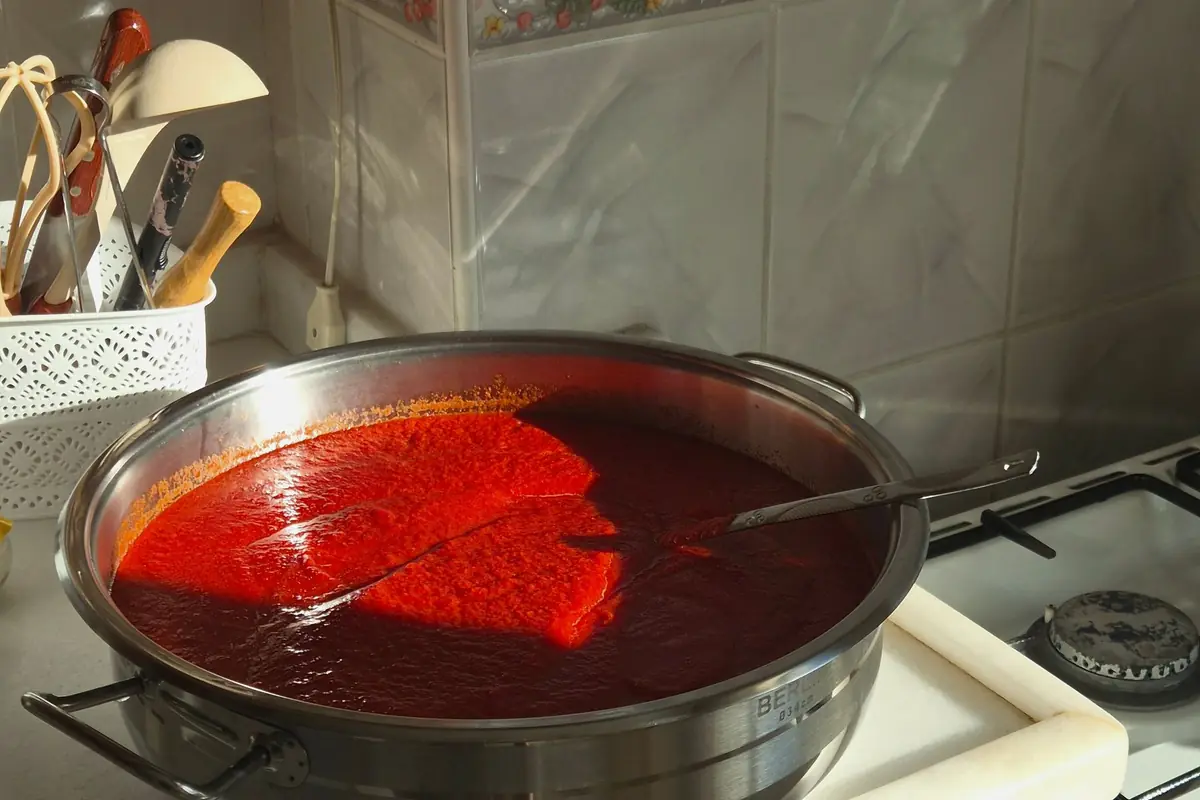
Try to vacuum seal a bag of soup with a regular edge sealer and you’ll learn quickly: the vacuum pulls the liquid toward the opening, the seal fails, and soup ends up in the drip tray, or inside the machine.
The fix is simple: freeze it first, then seal.
Method 1: Pre-freeze, then seal (best for edge sealers)
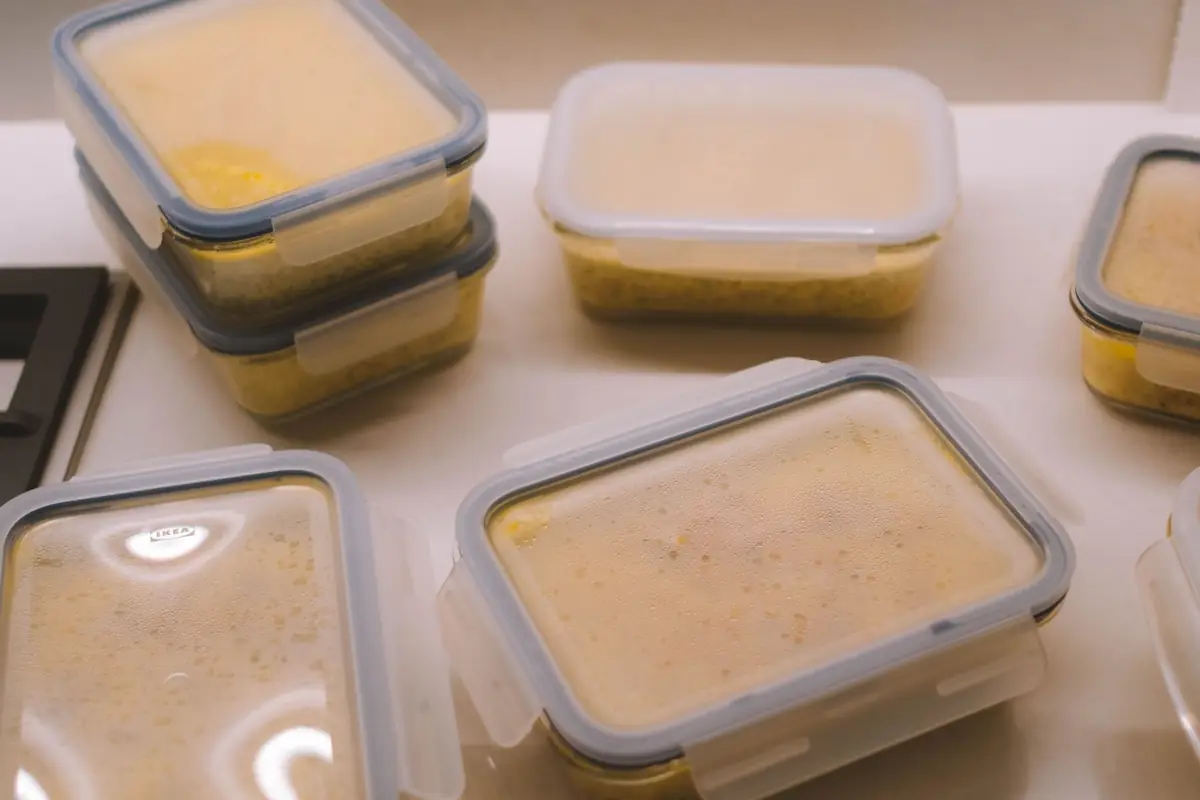
This works with any home vacuum sealer.
- Cool the soup completely. Never seal hot food.
- Portion it into containers or bags. Silicone soup cubes, muffin tins, freezer-safe containers or a vacuum bag standing in a bowl all work. For flat, stackable bags, see step 3.
- Freeze until solid, usually several hours or overnight. For flat packs, fill an unsealed vacuum bag, fold the top over, lay it flat on a sheet pan and freeze.
- Pop the frozen blocks out of molds or containers.
- Put them in a vacuum bag, leaving about 3 inches at the top.
- Seal. The frozen liquid stays put.
- Label and date the bags and return them to the freezer.
Frozen soup pucks also thaw faster and are easy to portion.
Method 2: Use your sealer’s “moist” or “pulse” setting
For foods that are wet but not soupy, like marinated chicken or a juicy roast:
- Hang the bag over the counter edge so the open end is higher than the food. Gravity helps keep liquid away from the seal.
- Use the moist setting if your sealer has one. It runs a longer, hotter seal.
- Use the pulse or manual seal button to stop the vacuum before liquid reaches the seal, then seal.
- Fold a paper towel inside the top of the bag, above the food. It catches stray drips.
Method 3: Use a chamber sealer
A chamber vacuum sealer removes air from the whole chamber, so the liquid stays in the bag. It’s the only home method that easily seals room-temperature liquids. They cost more but are worth it if you seal soups and marinades often. See the best vacuum sealers.
Safety tips
- Cool foods fast and seal cold. Don’t leave soup at room temperature for more than 2 hours.
- Vacuum sealing isn’t canning. Sealed soups still need to stay frozen or refrigerated. Low-oxygen bags can still allow dangerous bacteria to grow at room temperature.
- Thaw in the fridge or in cold water, not on the counter.
For shelf-stable soups and stocks, you need a pressure canner. See the best pressure canners.
Questions people ask
Can you vacuum seal liquids without freezing? With an edge sealer, it’s tricky but possible for small amounts using the pulse method. A chamber sealer handles liquids easily.
Can I sous vide in a pre-frozen bag? Yes. Add a little extra cooking time, or thaw first.
How long does vacuum-sealed soup last in the freezer? Often several months or more with good quality. Label bags with the date and use the oldest first.