Pellet Grill vs Gas Grill: Which Should You Buy?
Pellet grills make easy smoked barbecue. Gas grills are faster and better for weeknight grilling and searing. Here's how they compare on flavor, cost and upkeep.

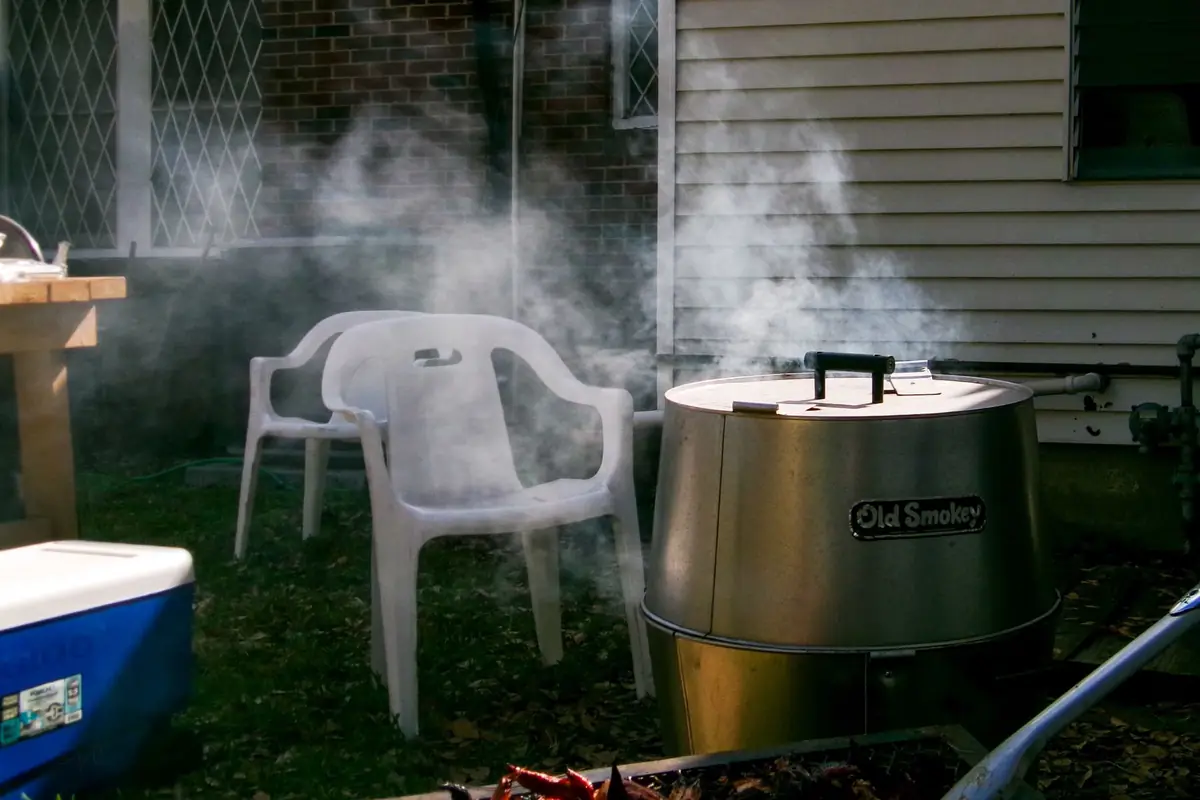
The short version: If you want smoked ribs, brisket and pulled pork with little effort, get a pellet grill. If you mostly grill burgers, chicken and steaks on weeknights, get a gas grill.
Both are great. They’re just built for different kinds of cooking.
At a glance
| Pellet grill | Gas grill | |
|---|---|---|
| Fuel | Wood pellets, plus electricity | Propane or natural gas |
| Best at | Smoking low and slow, roasting | Fast grilling, searing |
| Flavor | Real wood smoke | Clean, grilled flavor; little smoke |
| Heat-up time | About 10 to 20 minutes | About 10 minutes |
| Max temperature | Often about 450 to 500°F; some go higher | 500°F and up on most |
| Searing | Weak on many models | Strong |
| Ease of use | Set a temperature and walk away | Turn the knobs, stay nearby |
| Upkeep | Ash, grease and hopper cleaning | Grates and grease tray |
| Needs electricity | Yes | No (except some ignitions and lights) |
| Typical price | About $400 to $2,000+ | About $200 to $1,500+ |
Why choose a pellet grill
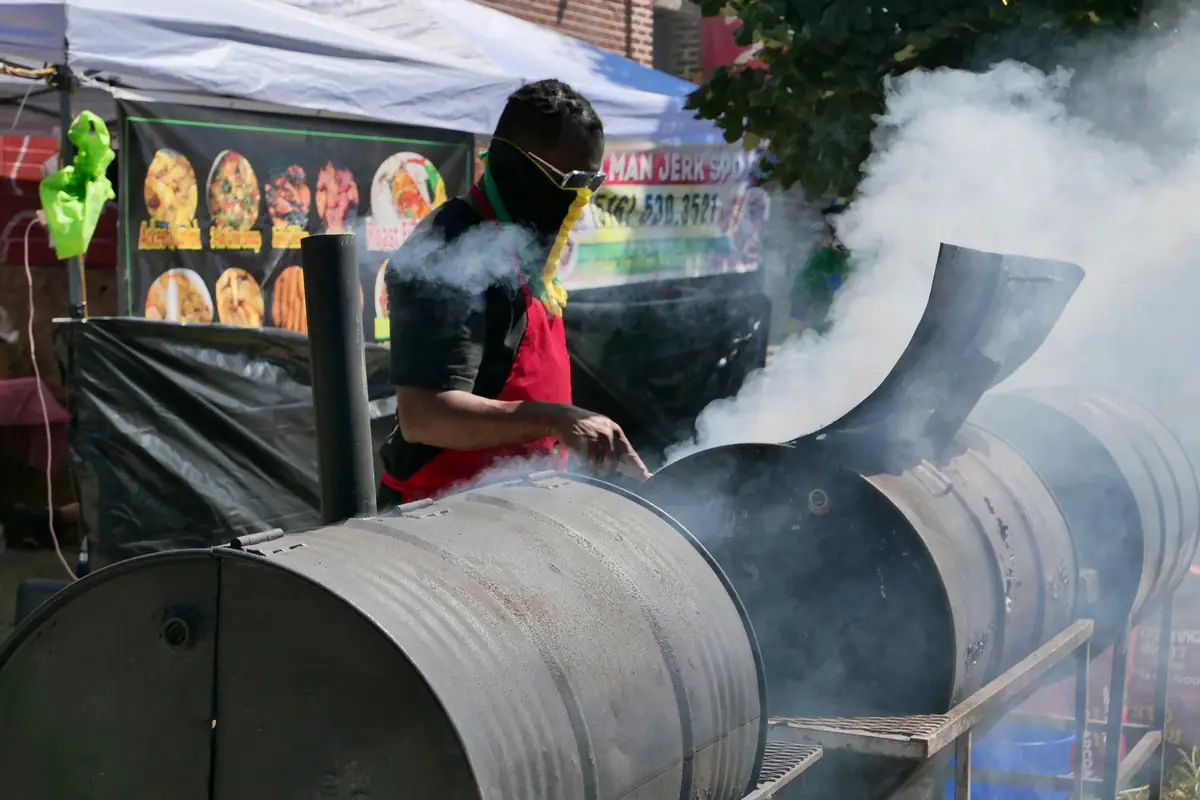
- You want real smoke flavor. Pellet grills burn wood, and you can swap hickory, apple, cherry or mesquite pellets for different flavors.
- You want set-and-forget cooking. A controller holds the temperature for hours, and many have WiFi so you can check from your phone.
- You like long cooks. Brisket, pork shoulder and ribs are where pellet grills shine.
- It roasts well too. At 350 to 400°F, a pellet grill works like an outdoor oven for chicken, turkey and even pizza.
The downsides: Most pellet grills don’t sear as well as gas. They need an outlet, and they need more cleaning: ash in the fire pot and grease on the drip tray must be cleaned regularly. Pellets also need to stay dry. Here’s how to clean a pellet grill.
Why choose a gas grill
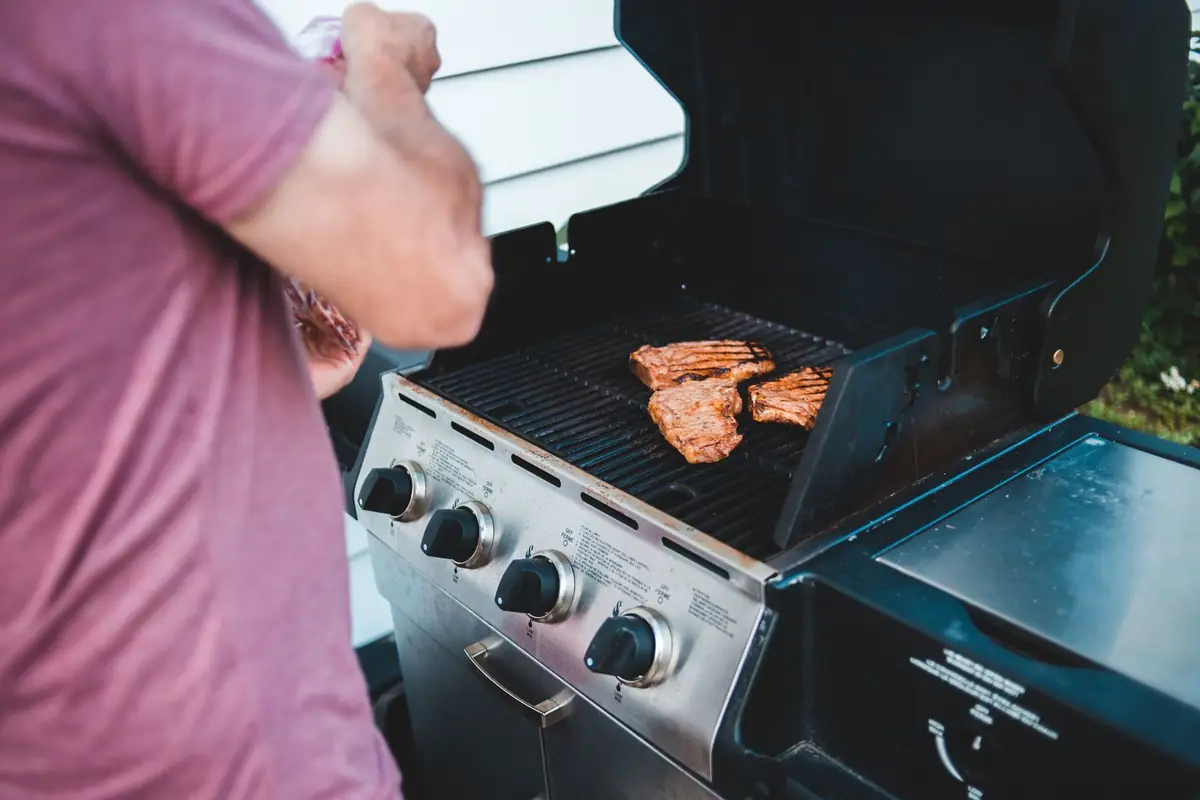
- You grill on weeknights. Gas heats up fast, and you can cook dinner in 20 minutes.
- You want great sear marks. Gas grills get hotter and handle steaks and burgers better.
- You want direct, adjustable heat. Turn burners up or down for different zones.
- You don’t have an outdoor outlet. Gas grills don’t need power.
- Simple upkeep. Brush the grates and empty the grease tray.
The downsides: Gas grills add little smoke flavor on their own. You can use a smoker box with wood chips, but it’s not the same as a pellet or charcoal smoker.
What about cost?
Gas grills start cheaper, and a good one is available under $500. See the best gas grills under $500. Decent pellet grills start around $400 to $700, and the best all-rounders cost closer to $1,000. See the best pellet grills under $1,000.
Fuel costs depend on how you cook. Pellet grills burn more fuel on long smokes, but you’d only do those cooks on a smoker anyway.
Can one grill do both?
Some come close. Pellet grills with a sear mode or direct-flame option, like the Weber Searwood, grill much better than older pellet grills. Some gas grills have smoke boxes or pellet trays. But if you love both smoking and searing, many people end up with two: a pellet grill for weekends and a gas grill or griddle for weeknights.
Our recommendation
- Mostly smoking and weekend cooks: pellet grill.
- Mostly quick weeknight grilling: gas grill.
- Burgers, breakfast and stir-fries: consider a griddle. See the best outdoor griddles.
Questions people ask
Does a pellet grill taste better than gas? For smoked food, yes. For a quick steak or burger, many people can’t tell much difference, and gas sears better.
Is a pellet grill hard to use? No. It’s one of the easiest ways to smoke. Set the temperature, add pellets and use a good thermometer. See the best wireless meat thermometers for smoking.
Which lasts longer? Both can last 10 years or more if well built and cared for. Pellet grills have more electronics that may need replacing.