Pressure Canner vs Pressure Cooker: What's the Difference?
A pressure canner is built and tested for safely canning low-acid foods. A pressure cooker or Instant Pot isn't, even if it has a canning button. Here's why it matters.

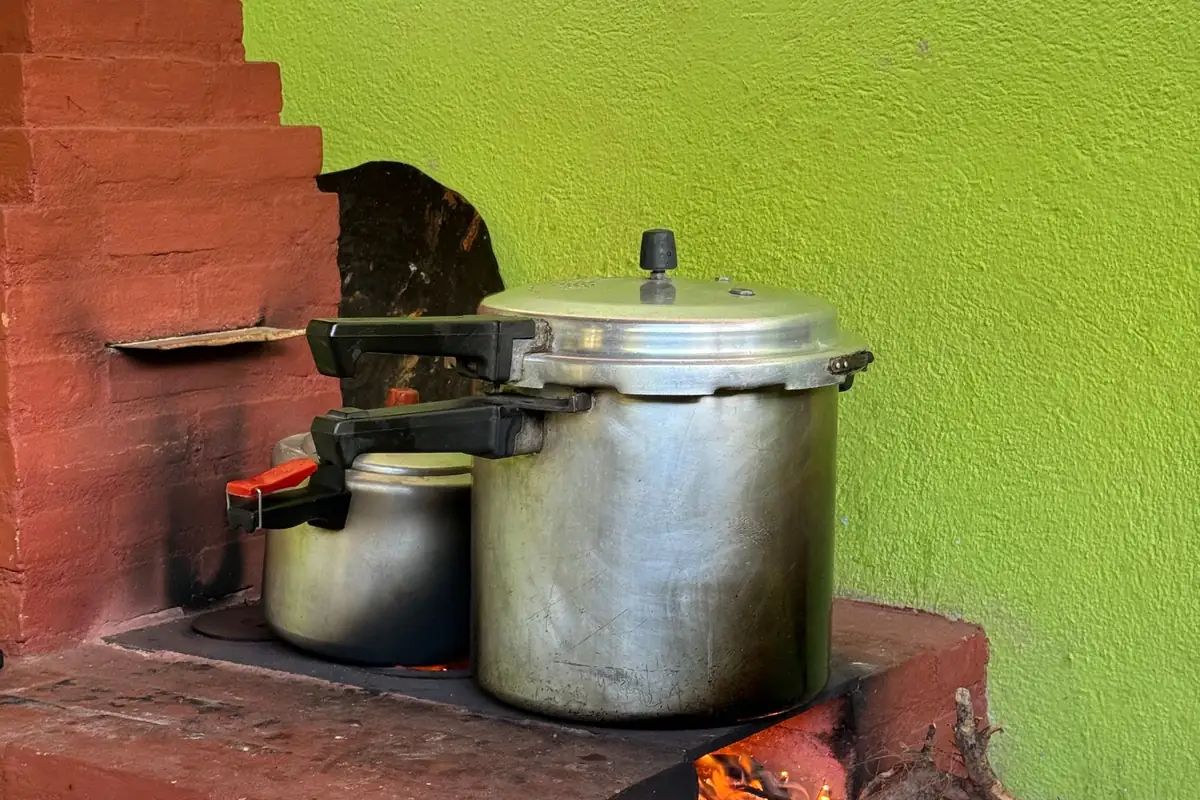
The short version: a pressure cooker is for cooking dinner fast. A pressure canner is for safely preserving low-acid foods like green beans, corn, meat and soup in jars.
Most pressure canners can also be used as pressure cookers. But most pressure cookers, including electric multicookers like the Instant Pot, should not be used for pressure canning, even if the manual or a button says “canning.”
At a glance
| Pressure canner | Pressure cooker or multicooker | |
|---|---|---|
| Main use | Canning low-acid foods in jars | Cooking meals quickly |
| Size | Large; NCHFP recommends canners that hold at least 4 quart jars | Usually 6 to 8 quarts |
| Tested canning processes | Yes, USDA and NCHFP processes are developed for stovetop canners | No |
| Pressure control | Dial or weighted gauge you can read and adjust | Preset by the appliance |
| Altitude adjustment | Yes, by increasing pressure | Usually not possible |
Why size matters
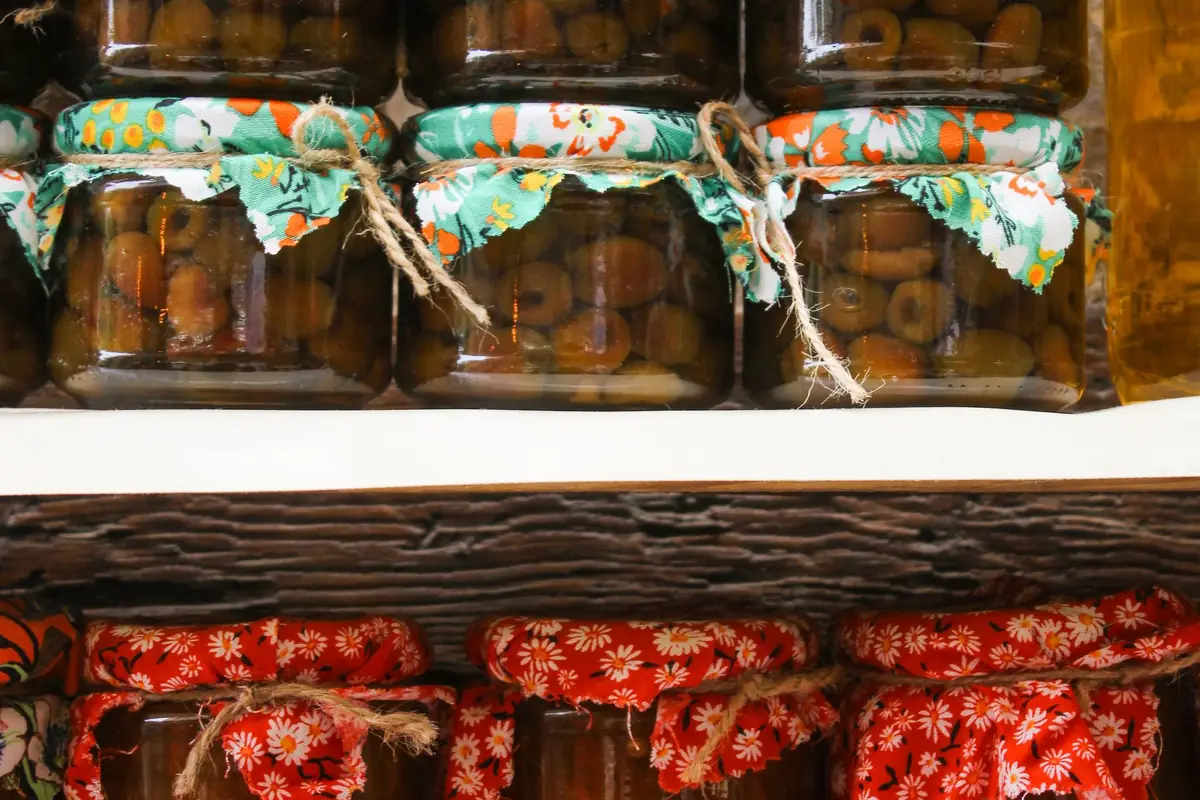
It sounds odd, but the canning time in a tested recipe doesn’t just count the minutes at pressure. It also counts on the heat jars get while the canner comes up to pressure and cools down naturally afterward. Smaller pots heat and cool faster, so jars can end up under-processed. That’s why the National Center for Home Food Preservation recommends only pressure canners that hold at least four quart jars standing upright.
Why electric multicookers aren’t recommended for canning
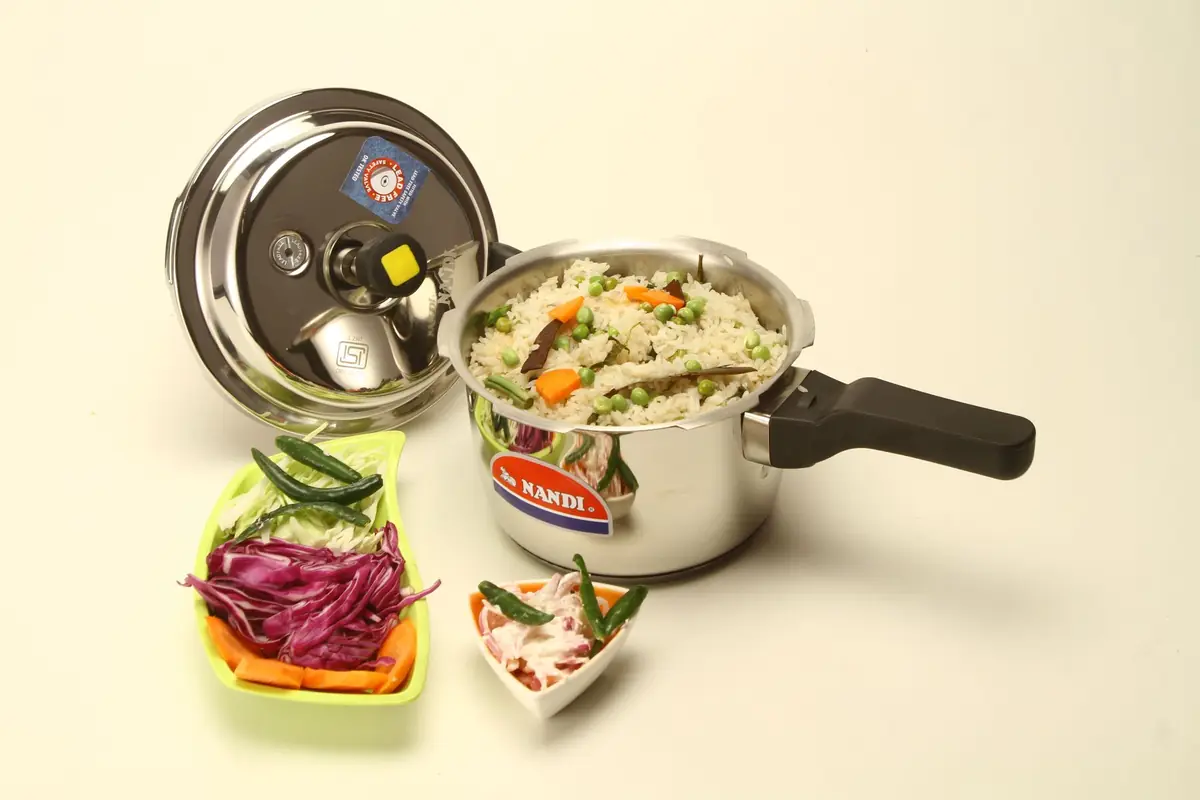
According to the NCHFP:
- Jar temperatures haven’t been tested in multicookers. Researchers haven’t tracked whether jars reach and hold the needed temperature.
- Pressure alone isn’t enough. Air trapped in the steam lowers the temperature, and proper venting matters.
- Altitude matters. At higher elevations, canners need more pressure to reach the same temperature, and a single preset can’t adjust for every elevation.
- Power fluctuations can drop the temperature without you knowing.
- Faster heat-up and cool-down can leave low-acid foods under-processed.
Under-processed low-acid foods can carry the risk of botulism, which can be deadly and often can’t be seen, smelled or tasted.
What about dedicated electric canners?
Electric appliances made specifically for canning are a separate category. The NCHFP notes that the Ball Automatic Home Canner, made for high-acid foods, has been through thermal process development, and electric boiling-water canners can be used per the maker’s directions. Presto sells a digital pressure canner that it says meets USDA home canning guidelines. The USDA doesn’t certify equipment, so follow the manufacturer’s instructions exactly. See our best pressure canners for details.
What can you safely do with a multicooker?
- Cook beans, stews, stocks and grains quickly
- Make yogurt or slow cook, if it has those modes
- Pressure cook food you’ll eat now or freeze
For preserving low-acid foods in jars, use a pressure canner.
Quick answers
Can I use my pressure canner as a pressure cooker? Usually yes, for large batches. Check the manual. It’s big for everyday meals.
Can I water bath can in an Instant Pot? The NCHFP’s guidance is to use equipment designed and tested for canning. For high-acid foods like jam and pickles, a stockpot with a rack or a dedicated water bath canner is the standard choice.
Where do I find safe canning recipes? Use the USDA’s Complete Guide to Home Canning, the NCHFP website, or your local extension office.