Best Robot Lawn Mowers Without a Perimeter Wire
Wire-free robot mowers from Segway Navimow, Mammotion, Ecovacs and Husqvarna, matched to yard size, slopes and tree cover. How satellite, LiDAR and camera navigation differ, and which one fits your lawn.

We may earn a commission if you buy through links on this page. It never changes what we recommend. As an Amazon Associate we earn from qualifying purchases. Learn more.
Our top picks at a glance
- Check Amazon Price
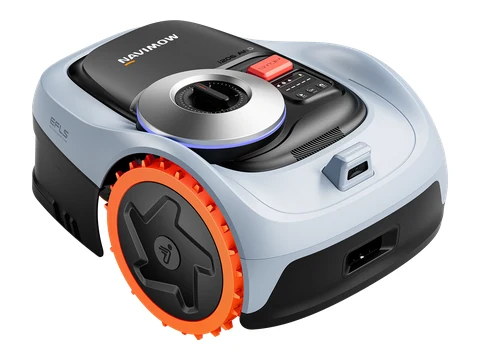
An all-wheel-drive mower for lawns up to about 0.15 acre that maps itself with network RTK and a camera, with no antenna to put up. Read more
Pros
- No wire and no antenna
- All-wheel drive for 45% slopes
- Network RTK and cellular data included
- Lowest price here
Cons
- Small battery
- Rated for 0.15 acre
- Needs a decent view of the sky
- Check Amazon Price
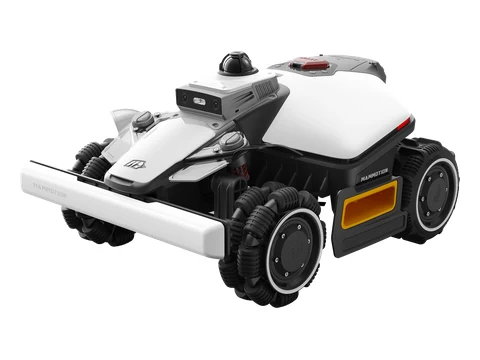
A small four-wheel-drive mower rated for 80% slopes on lawns up to 0.37 acre, steered by a spinning LiDAR and two cameras instead of satellites. Read more
Pros
- 80% slope rating
- LiDAR and cameras with no antenna
- Edge disc cuts within about 2 inches of walls
- 3 years of 4G data included
Cons
- Pricier than the Navimow for a small lawn
- Newer model with less owner history
- Check Amazon Price
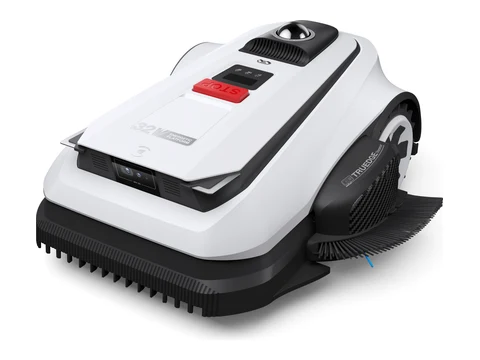
A dual-LiDAR mower that doesn't depend on satellites at all, with a built-in string trimmer that cuts the strip along fences and beds. Read more
Pros
- Works under tree cover and after dark
- Built-in edge trimmer
- About 13-inch cutting width
- No RTK station or antenna
Cons
- 50-minute runtime per charge
- 50% slope rating is lower than the Mammotions
- Check Amazon Price
A larger all-wheel-drive mower for up to 0.75 acre that combines LiDAR, network RTK and cameras so it has a backup when one signal drops. Read more
Pros
- Rated for 0.75 acre
- Three ways to find its position
- 80% slope rating
- No antenna to install
Cons
- Expensive
- Standard version cuts no higher than 2.7 inches
- Check Amazon Price
Husqvarna's satellite-guided Automower for up to half an acre, backed by a 4-year warranty and a dealer network that can install and service it. Read more
Pros
- 4-year warranty
- Dealers for setup and repairs
- 1 to 4 inch cutting height
- Rated to mow in the rain
Cons
- Needs its RS1 reference station in most areas
- Radar obstacle detection only
- Rear-wheel drive
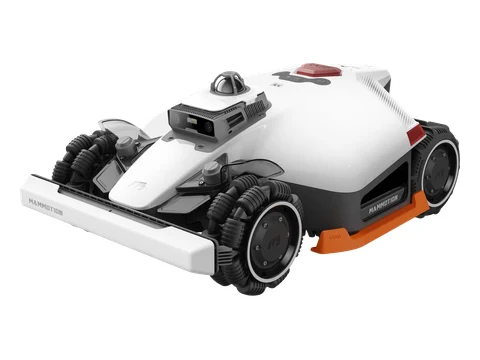
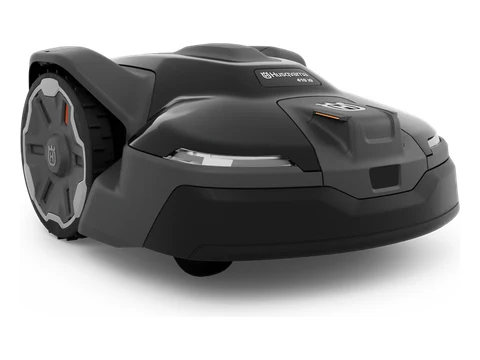
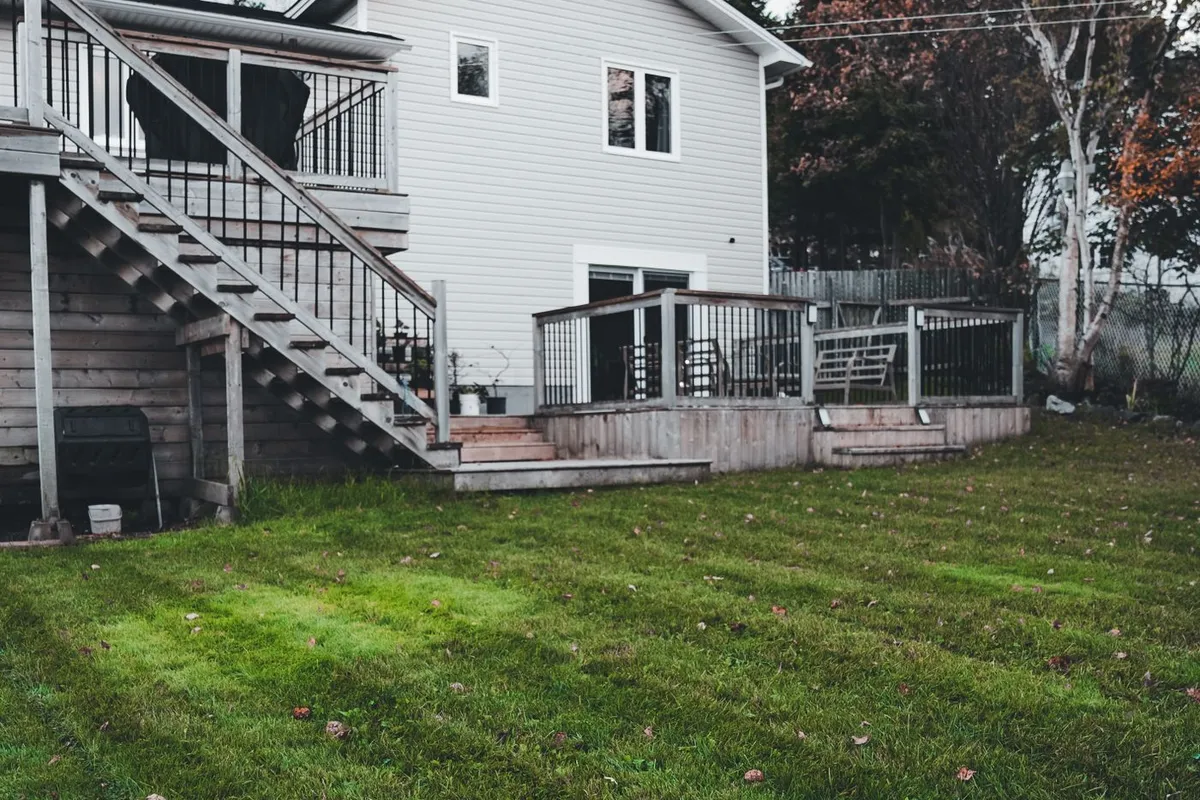
Robot mowers used to come with a catch: before the robot could mow, someone had to bury or pin a boundary wire around the whole lawn and every flower bed. If a wire got cut by an edger or a burrowing animal, the robot stopped.
The newer mowers below skip the wire. They find their position with satellites, laser scanners, cameras, or a mix of the three. You drive the robot around the edge once with your phone, or let it map the yard itself, and then you draw no-go zones in the app.
That doesn’t mean every wire-free mower works in every yard. The way each one navigates decides whether it suits yours, so start there.
| Mower | Lawn size | Slopes | How it navigates | Antenna or base station? |
|---|---|---|---|---|
| Segway Navimow i206 AWD | 0.15 acre | 45% | Network RTK + camera | No |
| Mammotion LUBA mini 2 AWD 1500H | 0.37 acre | 80% | LiDAR + 2 cameras | No |
| ECOVACS GOAT A2000 LiDAR PRO | Up to 0.5 acre | 50% | Dual LiDAR | No |
| Mammotion LUBA 3 AWD 3000 | 0.75 acre | 80% | LiDAR + network RTK + cameras | No |
| Husqvarna Automower 410iQ | 0.5 acre | 45% | Satellite RTK (EPOS) | Yes, in most areas |
Lawn sizes and slope ratings are the makers' own figures. A slope of 45% is a rise of 45 feet over 100 feet, about 24 degrees.
1. Segway Navimow i206 AWD: Best for small yards
Good fit for: A typical suburban front or back lawn with open sky and a few gentle slopes.
Navimow’s i-series has been the starting point for most people buying their first wire-free mower, and the i206 AWD is the 2026 version with all-wheel drive. It locates itself with network RTK, which corrects satellite positions using a cellular connection, and backs that up with a front camera. Segway includes the network RTK service and the cellular data it needs, so there’s no antenna to mount and no subscription to start.
The all-wheel drive and off-road tires are the big change from the older i105. Segway rates the i206 for slopes up to 45%, and a third wheel steers so it can turn in place without twisting up the grass. Cutting height runs from 2 to 3.6 inches.
What bugs us: The 2.55Ah battery is small, which is why Segway rates it for only 0.15 acre, or about 6,500 square feet. Satellite positioning also needs a reasonably open sky. Reviewers of the i-series point out that heavy shade, tight side yards and spots right next to the house are where these mowers have the most trouble.
Skip it if: your lawn is bigger than about a sixth of an acre. The i210 AWD is the same mower with a bigger battery for a quarter acre.
2. Mammotion LUBA mini 2 AWD 1500H: Best for steep yards
Good fit for: Hillside lots, terraced yards and lawns where a two-wheel robot would spin out.
Mammotion builds its LUBA mowers like small four-wheel-drive trucks, and they carry the steepest slope ratings we found. The LUBA mini 2 is rated for 80% slopes, about 38.6 degrees, on lawns up to 0.37 acre. That’s steeper than most people would want to push a mower up.
It doesn’t need satellites to find its way. A spinning 360-degree LiDAR on top and two cameras build the map and spot obstacles, and Mammotion advertises “no wire, no antenna.” A separate 4.7-inch edge disc lets it cut within about 2.1 inches of a wall. The H version we link cuts from 2.2 to 4 inches, the range most cool-season grasses like. A 4G module and three years of data come with it.
What bugs us: At about $1,800, it costs nearly twice what the Navimow does. That gap is only worth paying if you have the slopes or the obstacles to use it. The LUBA mini 2 is also new for 2026, so there isn’t much long-term owner feedback yet.
Skip it if: your yard is flat and open. The Navimow does that job for less.
3. ECOVACS GOAT A2000 LiDAR PRO: Best for yards with trees
Good fit for: Lawns under big trees, along tall houses or anywhere a satellite signal is weak.
The GOAT A2000 LiDAR PRO is the pick here that doesn’t rely on satellites at all. Ecovacs uses two LiDAR sensors, a spinning one on top and a 3D sensor up front, to map the yard and see obstacles. That means a canopy of oak trees or a narrow side yard between two houses doesn’t knock it off course, and Ecovacs says it can mow in the dark.
It is also the only mower here with a built-in string trimmer. A 7-inch trimmer head on the side cuts the strip along fences, walls and beds that robot blades usually miss, which is the part of the yard most owners still end up doing by hand. Its cutting width is about 13 inches, wider than most robots, and the cutting height adjusts from about 1.2 to 3.5 inches from the app.
What bugs us: The 3Ah battery gives about 50 minutes of mowing per charge, then 50 minutes to recharge. It gets through a half acre over several trips, but slowly. Its 50% slope rating is fine for most yards but well short of the Mammotions.
Skip it if: your yard has steep banks. A LUBA handles those better.
4. Mammotion LUBA 3 AWD 3000: Best for large yards
Good fit for: Lawns of half an acre to three-quarters of an acre, especially ones with slopes and a mix of open sky and trees.
The LUBA 3 is Mammotion’s main 2026 mower, and the 3000 model is rated for 0.75 acre. What sets it apart is what Mammotion calls tri-fusion positioning. It uses LiDAR, network RTK and two cameras together, so when trees block the satellites, the LiDAR and cameras keep it on track, and the reverse in open areas where there’s little for the laser to see. Like the mini, it has all-wheel drive for 80% slopes, and it weighs about 41 pounds.
What bugs us: The price. The 3000 costs about $2,800, which is gas riding mower money. Also check the cutting height before you buy. The listing we link is the standard version, which cuts from 1 to 2.7 inches. That suits Bermuda and zoysia, but fescue and bluegrass lawns usually do better at 3 inches or more. If that’s your grass, choose the 3000H, which cuts from 2.2 to 4 inches and costs the same at Mammotion. This Amazon listing also comes with a cleaning stand.
Skip it if: your lawn is under about a third of an acre. You’d be paying for battery and range you won’t use.
5. Husqvarna Automower 410iQ: Best for dealer support
Good fit for: People who want a known brand and a local dealer to set it up and fix it.
Husqvarna has sold robot mowers for decades, and the 410iQ is its wire-free model for lawns up to half an acre. It uses Husqvarna’s EPOS satellite positioning. In most places that means setting up the included RS1 reference station somewhere with a clear view of the sky, though Husqvarna is rolling out a cloud correction service in some areas that skips it. It handles slopes up to 45%, cuts from 1 to 4 inches, and Husqvarna rates it to work in the rain.
The main reason to choose it over the others is support. It has a 4-year warranty, and Husqvarna dealers can install, tune and service it. Most of the newer brands handle problems by phone, app and mail.
What bugs us: It’s rear-wheel drive and detects obstacles with radar alone, without the cameras or LiDAR the newer mowers use to steer around toys and garden hoses. And like any satellite mower, it gets less reliable under heavy tree cover.
Skip it if: you don’t have room for the reference station in open sky, or your yard is shaded.
How we picked
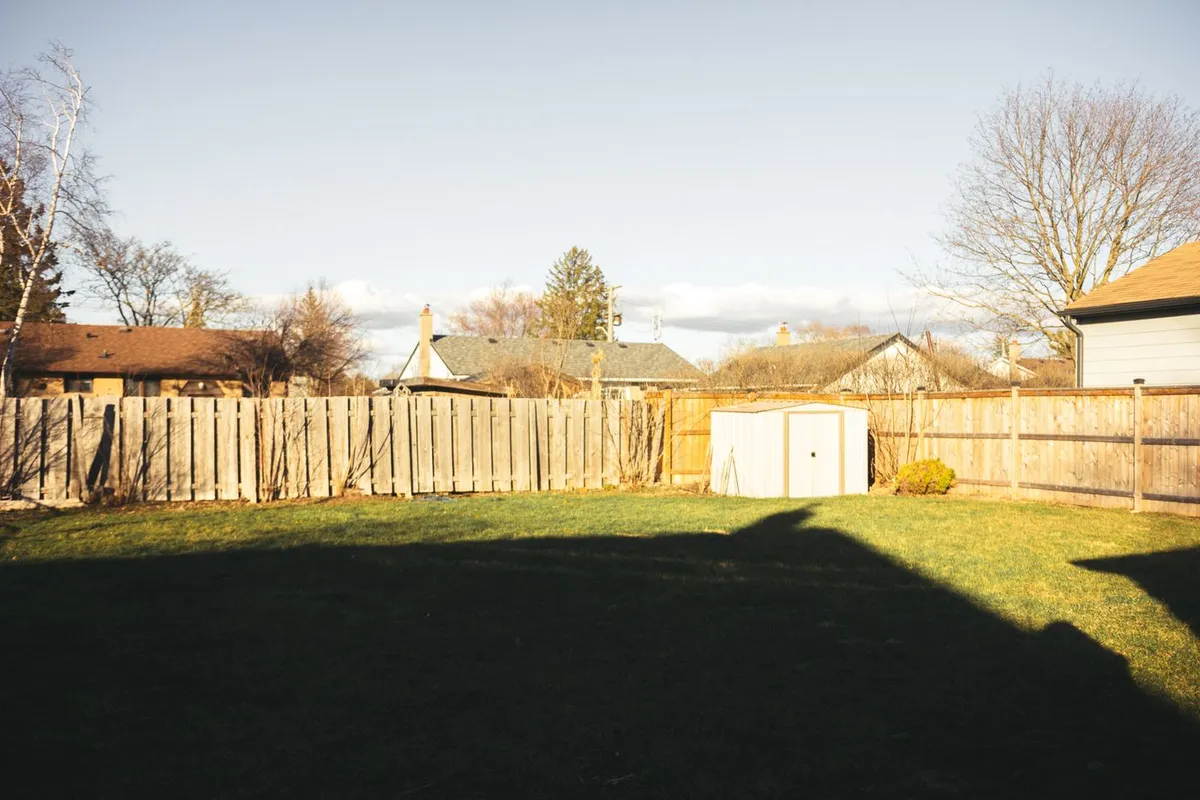
We only looked at mowers that work with no boundary wire at all. We left out older wire-guided models and anything that needs a wire around the edge as a backup. We compared lawn size, slope rating, navigation, cutting height and what’s in the box using each maker’s product pages and spec sheets. We looked for:
- Navigation: satellite, LiDAR, cameras, or a mix, and whether it needs an antenna
- Lawn size: what the maker rates it for on one battery cycle and schedule
- Slopes: the steepest grade it’s rated to climb
- Edges: how close it cuts to walls and beds
- Support: warranty length and who fixes it
We also left out a few mowers we’d otherwise consider, like eufy’s camera-only E15 and Worx’s Landroid Vision models, because we couldn’t find them reliably in stock on Amazon when we checked.
We haven’t tested these mowers ourselves. Read more about how we pick products.
How wire-free mowers find their way
- Satellite RTK (Navimow, Husqvarna, and LUBA 3 as one of its three systems). The mower uses GPS-style satellites, corrected either by a base station in your yard or by a cellular network service. It’s accurate to about an inch in open sky. It struggles under trees, beside tall walls and in narrow side yards.
- LiDAR (Ecovacs, LUBA mini 2, LUBA 3). A spinning laser measures distances to the house, fence and trees and builds a 3D map. It doesn’t need the sky, so shade and tree cover don’t bother it. It has less to go on in a wide, open field with nothing nearby.
- Cameras (most of the newer mowers use them alongside one of the above). Cameras spot obstacles and the edge of the grass. Camera-only mowers are simple to set up but work best on lawns with clear, visible edges and good light.
The more of these a mower combines, the better it handles a yard that is part open and part shaded.
What to know before you buy
- Buy for your actual lawn size, with some room to spare. Makers’ ratings assume ideal conditions. A lawn with lots of trees, beds and narrow passages takes longer to mow than an open rectangle of the same size.
- Check your cutting height. Many robot mowers top out around 2.5 to 3.5 inches. Cool-season grasses like tall fescue are usually kept at 3 to 4 inches, so look for a model that reaches that, like the LUBA mini 2 1500H or the Husqvarna.
- Robots mow often and short. They trim a little every day or two instead of taking a big cut once a week. The clippings are tiny and fall back into the lawn, which feeds it. Don’t expect one to handle grass that’s already a foot tall.
- Plan where the charging dock goes. It needs a flat spot at the edge of the lawn, near an outdoor outlet, with a straight run onto the grass. A satellite mower’s dock also wants open sky.
- Pick up before it runs. Obstacle detection is good on the newer models, but small toys, dog waste and garden hoses still cause trouble. Fallen sticks dull blades quickly.
- Think about theft and weather. Check what anti-theft features a model has, like a PIN, alarm or location tracking in the app. A mower garage keeps sun and leaves off the robot and makes it less visible from the street.
If your yard is small enough that a robot feels like overkill, our electric lawn mower guide covers quiet push mowers for small lawns.
Still wondering?
Do wire-free robot mowers really need no installation? There’s no wire to bury, but there’s still setup. You place the charging dock, connect the app, and map the yard by driving the mower around the edge or letting it map itself. Satellite mowers that use a base station also need that station mounted with a clear view of the sky. Plan on an hour or two.
Can a robot mower handle a yard with lots of trees? It depends on how it navigates. Satellite-only mowers often lose their position under heavy canopy. LiDAR mowers like the ECOVACS GOAT and the Mammotions don’t need a sky view, so they’re the better bet for shaded yards.
Do robot mowers work in the rain? Most are built to handle rain, and the Husqvarna is specifically rated to mow in it. Many owners still schedule them to skip wet days, because wet grass cuts poorly and the wheels can rut soft ground.
Do I still need a regular mower? Most owners keep a trimmer for spots the robot can’t reach, like around posts and narrow strips. The GOAT’s built-in trimmer covers some of that. Few people need a push mower once a robot is running on schedule.
How long do robot mower blades last? Most robots use small pivoting razor-style blades. How long they last depends on lawn size and how many sticks and stones they hit, so check them every few weeks and swap them when the cut looks ragged. Replacements are cheap and take a few minutes. Our mower blade sharpening guide is for regular mowers. Robot blades get replaced, not sharpened.