Resin vs Metal vs Wood Sheds: Which Material Is Right for You?
Resin sheds need almost no upkeep, metal sheds cost the least for their size, and wood sheds last longest and are easiest to customize if you keep them painted. Here's how the three compare on cost, weather, upkeep, security and setup.

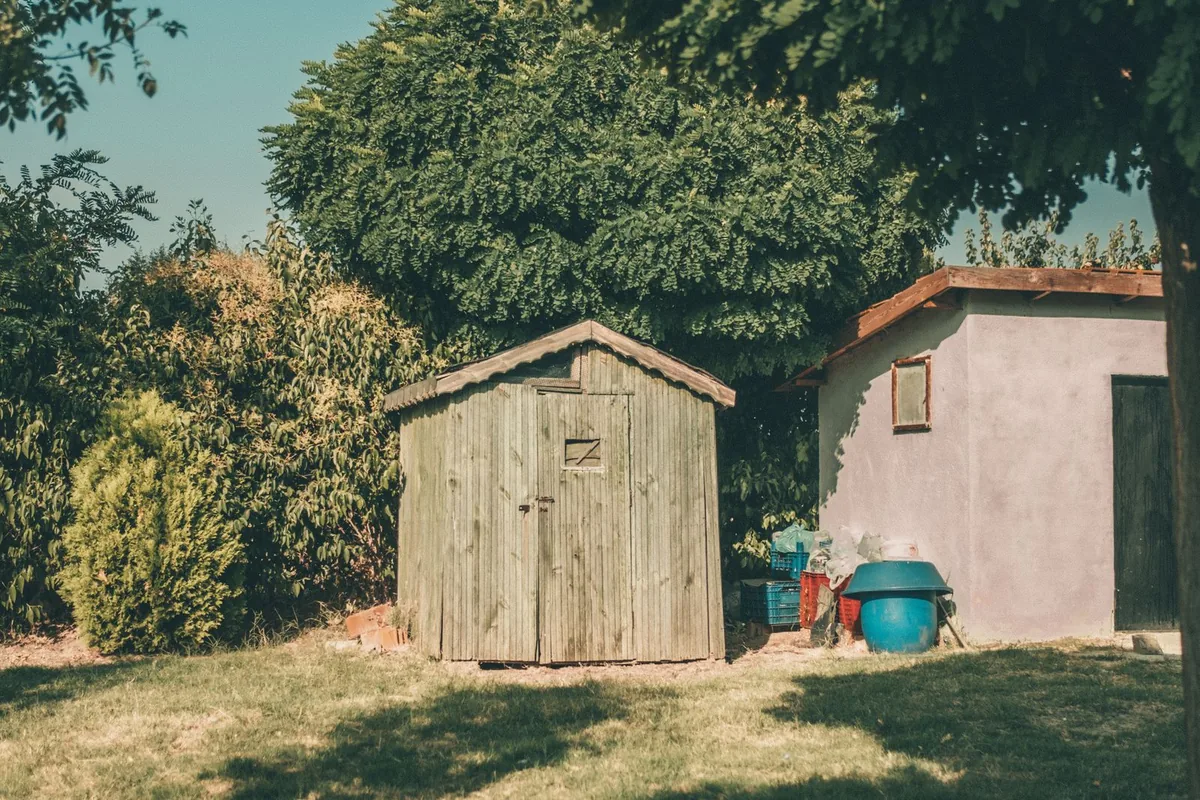
Most people pick a shed by size and price, then find out a few years later that the material mattered more. A metal shed that was a bargain starts to rust at the bottom edge. A wood shed that looked great needs scraping and painting. A plastic shed that was easy to put together bows under heavy snow.
None of the three materials is best for everyone. Each one trades cost, upkeep and toughness differently, and the right pick depends on your weather, what you’re storing and how much work you want to put in later. Here’s a plain comparison.
The short answer
- Pick resin (plastic) if you want low upkeep, a quick weekend build and a shed that won’t rust or rot. Best for small to mid-size storage of mowers, bikes and garden gear.
- Pick metal if you want the most floor space for the money and you’re fine anchoring it well and keeping an eye on rust. Best for basic storage in dry or mild climates.
- Pick wood if you want a shed that lasts for decades, looks like part of the house, and can take shelves, windows, power and real use as a workshop. Best if you’ll paint or stain it every few years.
| Resin | Metal | Wood | |
|---|---|---|---|
| Upfront cost | Medium | Lowest for the size | Highest |
| Upkeep | Very low: hose it off | Low, but watch for rust and dents | Highest: paint or stain every few years |
| Rot and insects | Immune | Immune | Needs treated lumber and good paint |
| Rust | None | Steel can rust where the coating is scratched | None (except fasteners) |
| Snow and wind | Check the roof load rating | Must be anchored, can dent | Strongest when built well |
| Heat inside | Warm | Hottest in summer sun | Coolest |
| Customizing | Limited to the maker’s add-ons | Hard: thin panels | Easy: shelves, hooks, windows, wiring |
| Assembly | Easiest: big panels snap or screw together | Many small screws and sharp edges | Most work, unless you buy a kit or have it built |
Resin (plastic) sheds
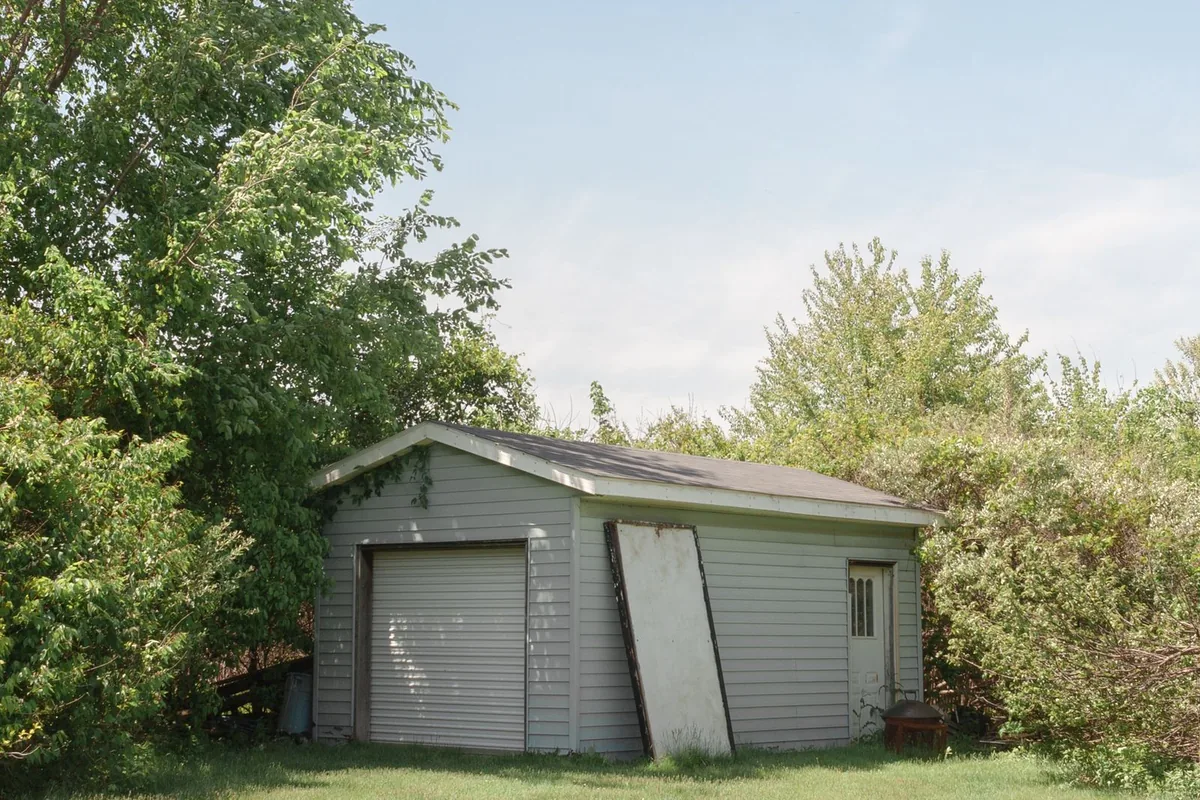
Resin sheds are molded from plastics like high-density polyethylene (HDPE) or polypropylene, often with steel bracing inside the walls or roof. Most come as large panels that fit together with screws or snap joints, so two people can usually build one in a day.
What’s good: Plastic doesn’t rot, rust or attract termites, so upkeep is about as low as it gets. A wash with a hose and mild soap brings it back. Most have a molded floor or come with a floor kit, which keeps out ground moisture. Better models use UV-stabilized plastic that resists fading and cracking in the sun.
What to watch for: Plastic panels flex. On cheaper sheds, the walls can bow in the heat and the doors can sag or stop lining up over time, especially if the base isn’t perfectly level. Large resin sheds with flat-ish roofs need a snow load rating that suits your area, and some makers sell roof reinforcement kits for snowy climates. You can hang shelves and hooks, but usually only where the maker has built in mounting points. Very cold weather makes some plastics brittle, so a hard knock in January can crack a panel.
Best for: Mid-size storage of a push mower, bikes, tools and bags of soil or mulch, in homes where nobody wants to paint anything.
Metal sheds
Most metal sheds are galvanized steel panels with a painted or coated finish. A few are aluminum, which doesn’t rust but dents more easily.
What’s good: Metal sheds usually give you the most square footage for the money. They’re fire resistant, and like resin, they don’t rot or attract insects. Steel is also hard to cut through, which helps with security if you add a good lock.
What to watch for: Steel rusts wherever the coating gets scratched, and the bottom edge where it meets damp ground or a wet floor is the usual spot. Touch up scratches with rust-proof paint as soon as you see them. Thin panels dent if a mower handle or a ball hits them. Metal sheds are light for their size, so they must be anchored to a slab, deck or ground anchors, or a strong wind can move or fold them. Assembly takes longer than a resin shed because of the many small screws, and the panel edges can be sharp, so wear gloves. Inside, a metal shed in full sun gets hot, and in cool weather condensation can form on the underside of the roof and drip onto what’s stored below. A vent or two and a raised floor help.
Best for: Basic, low-cost storage in dry or mild climates, where you’ll anchor it well and don’t need to customize the inside.
Wood sheds
Wood sheds come as kits, as prebuilt sheds delivered on a truck, or as plans you build from scratch. Most use a framed floor and walls, with plywood or engineered wood siding and an asphalt-shingle roof like a house.
What’s good: A well-built wood shed is the strongest and longest-lasting of the three. You can screw a shelf, a pegboard or a hook anywhere, add windows and a workbench, and run power for lights and tools. It can be painted to match the house, which matters if you have an HOA or just care how the yard looks. Wood also stays cooler in summer than metal or plastic.
What to watch for: Wood needs care. Plan to paint or stain the outside every few years, keep the bottom edge off the ground, and fix any roof leak right away. The floor frame and anything touching the ground should be pressure-treated lumber. Wood sheds cost the most upfront, and they’re the most work to build yourself. They’re also heavy, so they need a level, solid foundation such as a gravel pad with treated skids, concrete blocks or a slab.
Best for: Workshops, potting sheds and big storage sheds that you want to last 20 years or more and look like part of the property.
Things that matter more than the material
- The foundation. Every shed needs a level, well-drained base. An out-of-level base is the top cause of doors that won’t close, in all three materials. A compacted gravel pad is a good start for most sheds.
- Local rules. Many towns require a permit above a certain size, often somewhere around 100 to 200 square feet, and most set how close a shed can sit to the property line. HOAs may limit materials and colors. Check before you buy.
- Door width and ramp. If it’s for a mower, measure the mower’s width and make sure the door clears it with room for your hands. A ramp makes rolling heavy equipment in much easier.
- Ventilation. Gas cans and mowers give off fumes, and any closed shed can get damp. Vents, or a gap at the eaves, help with both.
- Weight on the floor. Riding mowers and heavy tools need a sturdy floor. A resin floor may need a wood or concrete base under it to carry real weight.
Frequently asked questions
Which shed material lasts the longest?
A well-built, well-maintained wood shed usually lasts the longest, often several decades. Resin and metal sheds last a good many years too, but plastic panels can fade and get brittle in strong sun, and steel can rust through where the coating is damaged.
Which shed is best for snowy areas?
A wood shed with a pitched shingle roof handles heavy snow best. If you prefer resin or metal, check the maker’s snow load rating, choose a model with a steeper roof, and clear heavy snow off the roof after big storms.
Are resin sheds strong enough for a riding mower?
Some are. Look for a resin shed with a wide double door, a reinforced floor rated for the weight, and a ramp, or build the shed on a wood or concrete base instead of using the plastic floor alone. See our guide to the best sheds for storing a lawn mower for specific models. For smaller jobs, like cushions and pool toys, a deck box may be all you need.
Do metal sheds get condensation?
They can. On cool nights, moisture in the air condenses on the inside of the metal roof and drips. A raised floor, vents high on the walls and keeping the doors sealed on wet days all help. Some owners stick foam insulation board or a condensation barrier to the underside of the roof.