What Size Air Compressor Do You Need? (CFM by Tool)
Match your compressor to your hungriest tool. A chart of typical air needs for nailers, impact wrenches, sanders and spray guns, plus how tank size and PSI fit in.

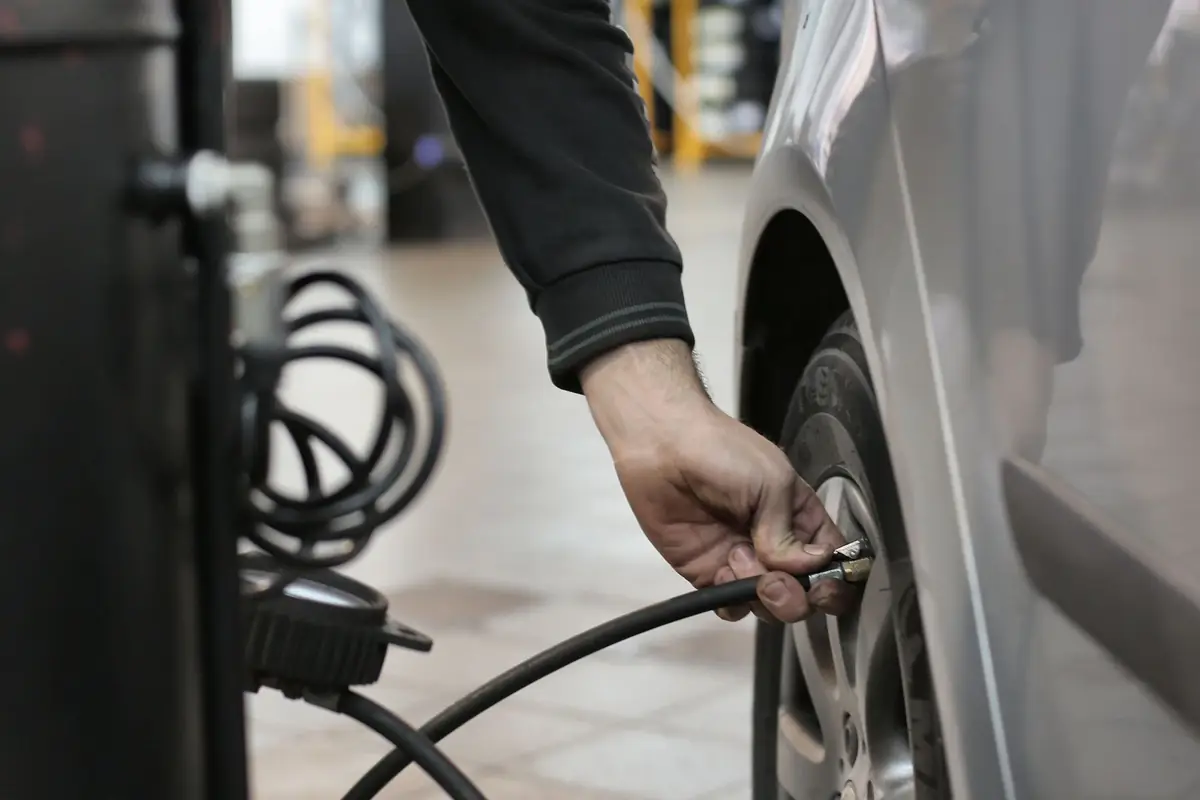
Buying an air compressor by tank size is the most common mistake. The number that actually matters is CFM at 90 PSI: how much air the compressor can keep delivering at the pressure most tools need.
Too little CFM, and your tool sputters while you wait for the compressor to catch up. Here’s how to size it.
Typical air needs by tool
| Tool | Typical air use | Small pancake (about 2.5 CFM) handles it? |
|---|---|---|
| Tire inflation and blow gun | Low, short bursts | Yes |
| Brad nailer and pin nailer | About 0.3 CFM | Yes |
| Finish nailer and stapler | About 0.3 to 0.5 CFM | Yes |
| Framing and roofing nailer | About 2 CFM | Yes, for steady nailing |
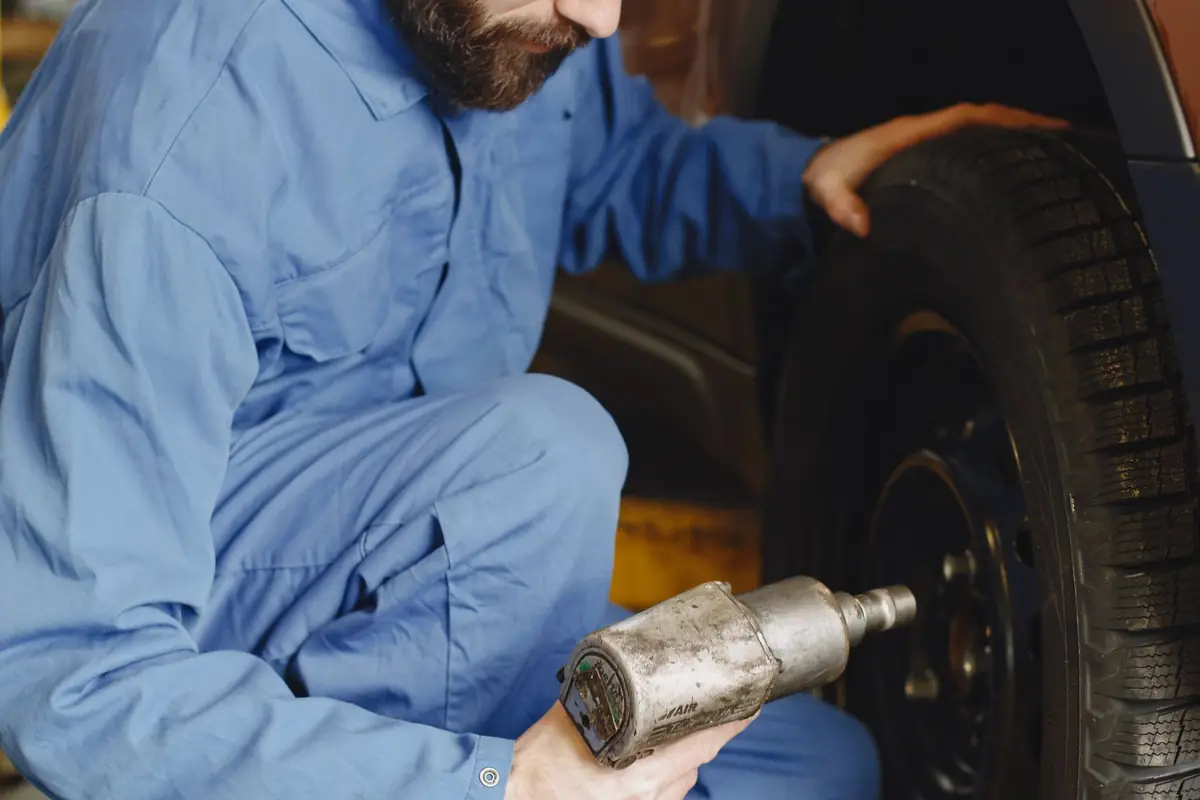
| 1/2-inch impact wrench | About 4 to 5 CFM | Only in short bursts |
| Air ratchet | About 3 to 5 CFM | Short bursts |
| Die grinder | About 4 to 6 CFM | No |
| Orbital sander | About 6 to 12 CFM | No |
| HVLP spray gun | About 6 to 12 CFM | No |
These are typical ranges. Your tool's exact CFM rating is on the box or in the manual, and it varies a lot by model. Continuous-use tools like sanders and spray guns need far more air than nailers.
The sizing rule
- Find the CFM rating of your hungriest tool at 90 PSI.
- Add about 30 to 50 percent as a buffer. Many tools use more than their rating, and you don’t want the compressor running nonstop.
- If you’ll run two tools at once, add their CFM together.
Example: A framing nailer at 2 CFM needs a compressor that makes at least 2.6 to 3 CFM at 90 PSI. Bob Vila’s best overall compressor, the 6-gallon Bostitch at 2.6 CFM, ran a roofing nailer through a shingle job without losing pressure.
Where tank size fits in
The tank is a reserve, not a power source. A bigger tank lets you run a tool longer before the motor kicks on, which helps with short bursts from an impact wrench. It doesn’t help with tools that use air continuously, like sanders and spray guns. Those need high CFM, period.
- 1 to 2 gallons: nailers, inflating, airbrushing. Light and portable.
- 6 gallons (pancake or hot dog): most DIY nailing, tires and blow guns.
- 20 to 30 gallons: occasional impact wrenches and ratchets.
- 60 gallons or more: sanding, painting and automotive work, usually on 240V power.
What about PSI?
Most air tools run at 90 PSI. A compressor’s maximum PSI, often 125 to 150, just means it can store more air in the same tank. It’s useful, but CFM at 90 PSI is the spec to compare.
Quick comparison
| You mostly… | Look for |
|---|---|
| Fill tires | A cordless inflator or small compressor |
| Nail trim | 1 to 6 gallons, 0.5+ CFM at 90 PSI |
| Frame or roof | 6 gallons, 2.5+ CFM at 90 PSI |
| Use an impact wrench | 20+ gallons, 4+ CFM at 90 PSI |
| Sand or paint | 60 gallons, 10+ CFM at 90 PSI |
Still wondering?
Is a 6-gallon compressor big enough for an impact wrench? For quick lug-nut removal, often yes, but it will cycle a lot. Bob Vila’s testers saw the 6-gallon Bostitch run one, cycling more often.
Is a quiet compressor worth it? In an attached garage or basement, yes. The California Air Tools 1P1060S measured just 56 dB in testing.
Should I get oil-free? For home use, oil-free is low maintenance and fine for most people.
See our picks for the best air compressors for a home garage, and learn how to drain an air compressor.