What Voltage Cordless Drill Do You Need? 12V vs 18V vs 20V Explained
12V, 18V or 20V max? Here's what drill voltage actually means, which one suits home projects, and why the battery platform matters more than the number.

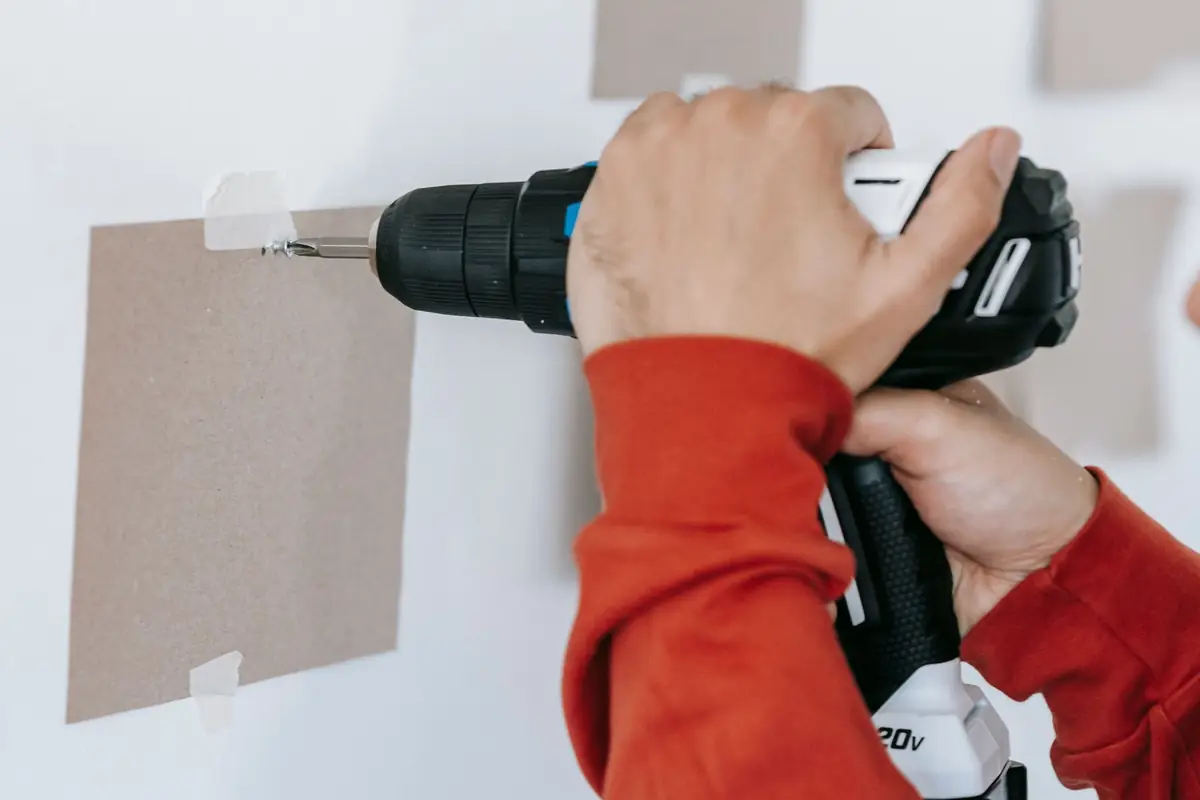
Walk down the drill aisle and you’ll see 12V, 18V, 20V max and even higher. More volts generally means more power, but for most homeowners the right answer is simpler than the marketing makes it look.
The short version: a 12V drill is plenty for light home jobs and is lighter to hold. An 18V or 20V max drill is the best all-round choice if you’ll tackle bigger projects. And whichever you choose, the battery platform you buy into matters more than the voltage.
18V vs 20V max: the same thing
This trips up a lot of people. “20V max” and “18V” drills are the same class of tool. A 20V max battery measures about 20 volts with no load, and settles to about 18 volts while working. Some brands advertise the peak number, others the working number. Don’t pay more thinking a 20V max drill is more powerful than an 18V one.
12V drills
Good for: furniture assembly, hanging pictures and shelves, installing hardware, small holes in wood and drywall, working in tight spaces.
Pros
- Lighter and more compact, easier to hold overhead or one-handed
- Usually cheaper
- Plenty of power for most indoor jobs
Cons
- Struggles with large holes, thick lumber and long screws
- Shorter runtime with small batteries
- Smaller range of tools on the same battery
12V drills are often underrated. If you mostly do indoor repairs and assembly, a good 12V drill will feel better in your hand and handle almost everything you throw at it.
18V / 20V max drills
Good for: everything a 12V does, plus decks, fences, large holes, masonry with a hammer drill, and long days of work.
Pros
- More power and torque
- Bigger range of compatible tools: saws, sanders, leaf blowers, string trimmers and more
- Longer runtime with larger batteries
Cons
- Heavier and bulkier
- Usually more expensive
If you own a home with a yard, or plan to do bigger DIY projects, this is the class to buy.
What about 40V and higher?
Higher-voltage platforms exist, but they’re mostly for outdoor power equipment like mowers and chainsaws, or heavy professional tools. You don’t need one for a drill.
Other things that matter more than voltage
The battery platform
Batteries are the expensive part. Once you own two batteries and a charger, every other tool from the same brand and platform can be bought “bare” (without a battery) for much less. Before you buy, look at what else the brand makes on that battery: if you’ll want a leaf blower, string trimmer or circular saw later, pick a platform that has good ones.
Battery capacity (Ah)
Amp-hours (Ah) tell you how long a battery lasts per charge.
- 1.5 to 2.0Ah: light and compact, fine for short jobs
- 4.0 to 5.0Ah: longer runtime, but heavier
Many kits come with one small and one large battery, which is a useful mix.
Brushless motor
Brushless motors run cooler, last longer and get more runtime from each charge than older brushed motors. They’re now common even on mid-priced drills and are worth paying a little extra for.
Chuck size
Most 12V drills have a 3/8-inch chuck; most 18V/20V drills have a 1/2-inch chuck, which accepts larger bits.
Which should you buy?
- Apartment or light DIY: a 12V drill/driver
- Homeowner with a yard and occasional projects: an 18V/20V max drill, ideally a kit with an impact driver
- Regular renovation work: an 18V/20V max brushless hammer drill and impact driver combo
Not sure whether you also need an impact driver? Read drill vs impact driver.
FAQ
Is a higher voltage drill always better? Not for everyone. More voltage means more power but also more weight and cost. For light work, 12V is easier to use.
Can I use a 20V battery in an 18V drill? Only within the same brand’s platform. Batteries from different brands, and sometimes different product lines from the same brand, aren’t interchangeable.
How long do drill batteries last? Lithium-ion batteries typically last several years with normal use. Store them indoors and avoid leaving them fully drained.
Shopping for a drill? See the best cordless drills for homeowners.