Drill vs Impact Driver: What's the Difference and Which Do You Need?
A drill makes holes and drives screws with control. An impact driver sinks long screws with brute force. Here's how they differ and which one to buy first.

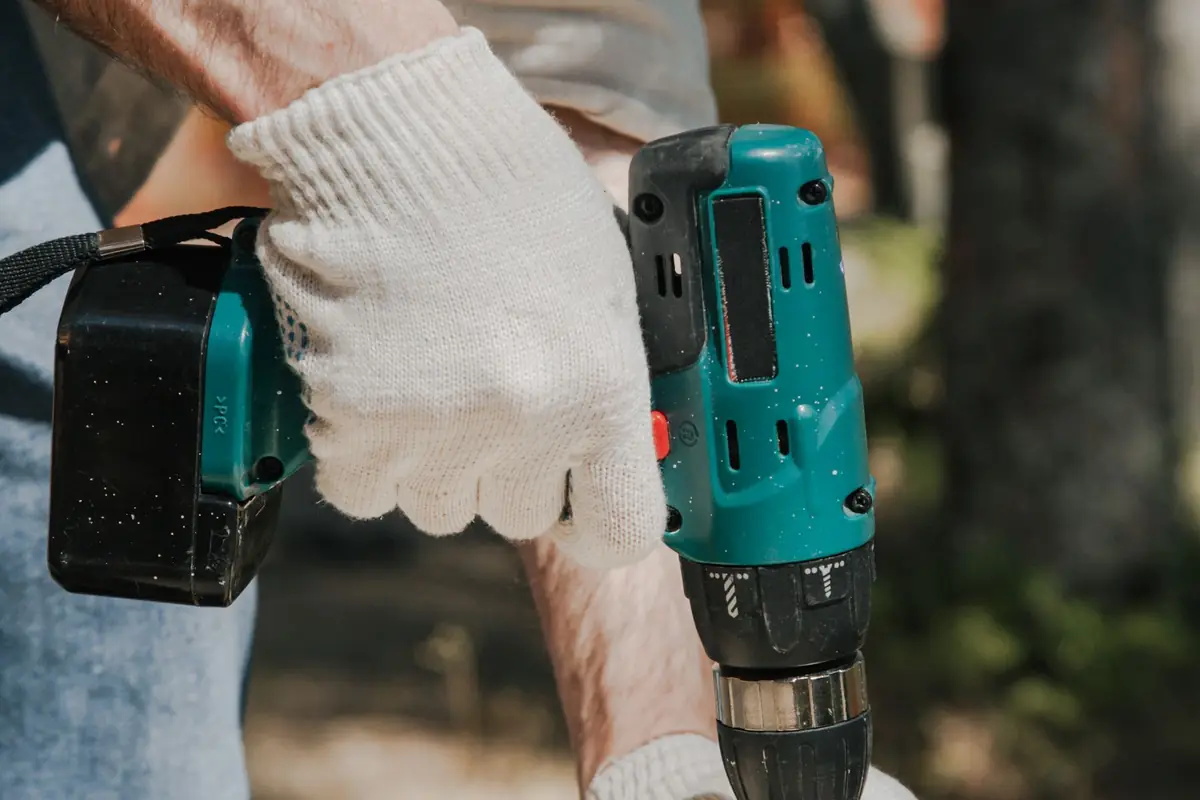
They look almost identical, they’re often sold together, and they both spin screws. But a drill and an impact driver are built for different jobs, and knowing the difference saves a lot of stripped screws and sore wrists.
The short version: a drill is the all-rounder for drilling holes and driving screws with control. An impact driver is a specialist for driving long or large screws fast. If you’re buying one tool, buy the drill.
At a glance
| Drill | Impact driver | |
|---|---|---|
| Best at | Drilling holes, everyday screws, precise work | Long screws, lag bolts, deck and framing screws |
| Bit holder | Keyless chuck, fits round and hex bits | 1/4-inch hex quick-release collet |
| How it drives | Steady rotation | Rotation plus rapid hammer-like blows when it meets resistance |
| Torque | Moderate | Much higher |
| Clutch | Yes, to stop before over-driving | Usually no |
| Size and weight | A bit longer and heavier | Shorter and lighter |
| Noise | Fairly quiet | Loud when the impact kicks in |
How a drill works
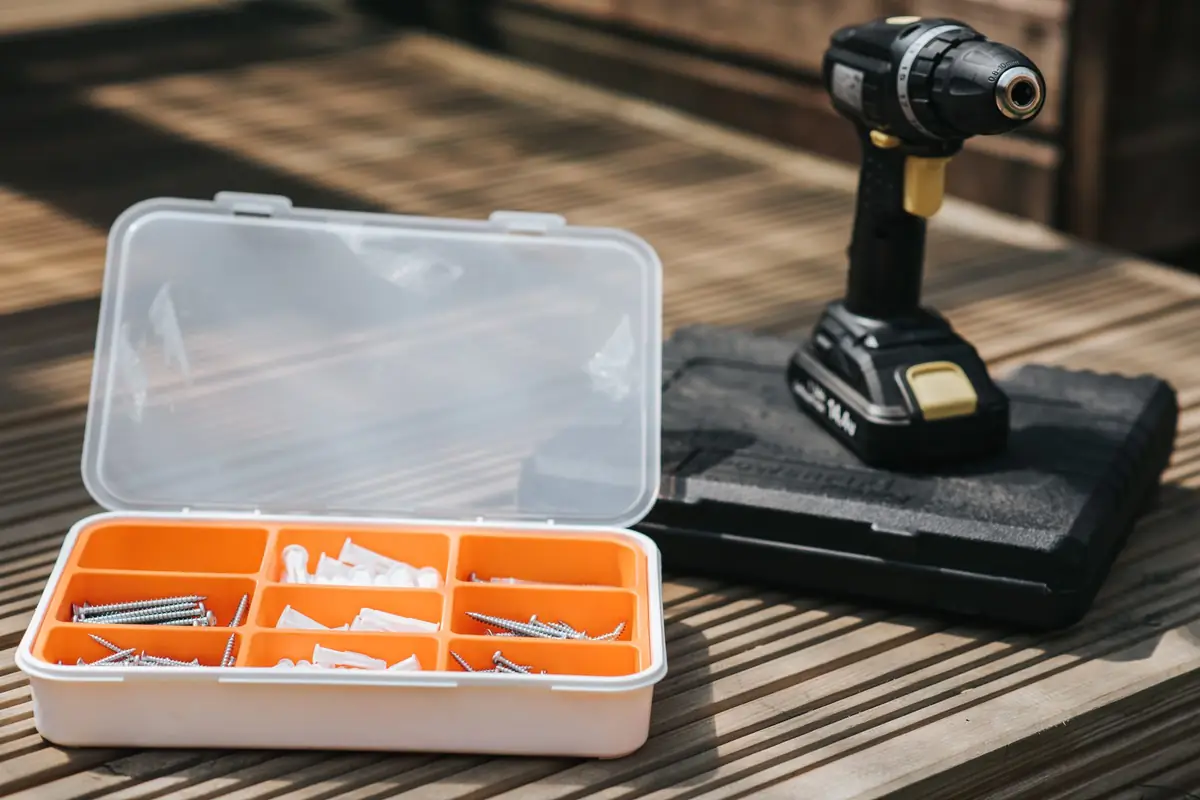
A drill spins its bit at a steady speed that you control with the trigger. Most have:
- A keyless chuck that clamps round drill bits and hex driver bits of different sizes
- An adjustable clutch, the numbered ring behind the chuck, which slips once the screw reaches a set resistance so you don’t strip it or sink it too deep
- Two speed ranges: low for driving screws, high for drilling holes
That clutch is the big advantage for everyday jobs like assembling furniture, hanging cabinets or installing hinges, where you want screws snug, not crushed.
How an impact driver works
An impact driver spins like a drill until it meets resistance. Then an internal hammer starts delivering rapid rotational blows, thousands per minute, which drive the screw with far more force than steady spinning could. Because the force comes in bursts, it doesn’t twist your wrist the way a drill can when it binds.
That makes it excellent for:
- Long deck screws and structural screws
- Lag bolts
- Driving lots of screws quickly, like building a fence or a shed
- Loosening stuck or rusted bolts (with the right socket adapter)
Where each one struggles
Drills bog down with long, thick screws and can wrench your wrist if the bit binds. They also take longer to drive a lot of screws.
Impact drivers have no clutch, so it’s easy to strip small screws, snap brass screws or split thin wood. They only accept hex-shank bits, so you can’t use regular round drill bits, and they’re not good at drilling large or precise holes. They’re also loud.
Which should you buy first?
Buy a drill first if you’re a homeowner doing everyday repairs, furniture assembly, hanging shelves, or any job that needs holes. It does nearly everything reasonably well.
Add an impact driver if you build decks, fences, sheds or do a lot of framing or renovation. Once you’ve used one for long screws, it’s hard to go back.
Consider a combo kit. Many brands sell a drill and impact driver together with two batteries and a charger, often for not much more than a drill alone. Since both tools share batteries, it’s usually the best value if you think you’ll want both.
When you’re choosing a drill, battery voltage is the next decision. Here’s what voltage cordless drill you actually need.
What about a hammer drill?
A hammer drill is different from an impact driver. It adds a forward pounding motion to drill into brick, block and concrete. Many standard drills have a hammer mode built in. If you need to drill masonry, see how to drill into brick or concrete.
Still wondering?
Can I use an impact driver to drill holes? For small holes in wood, yes, with hex-shank drill bits. For larger or precise holes, use a drill.
Can a drill drive long screws? Yes, but it’s slower, harder on your wrist and may stall. Pre-drilling a pilot hole helps.
Do I need special bits for an impact driver? Use bits labeled “impact rated.” Standard bits can snap under impact force.
Shopping for a drill? See the best cordless drills for homeowners.