Anker SOLIX C300 Review: What a $280 Power Station Actually Runs
The Anker SOLIX C300 packs 288Wh and 300W into a 9-pound box for about $280. Here's what it runs, the catch, and when the C300 DC, C200 DC or C1000 Gen 2 is the better buy.

Our top picks at a glance
- Check Amazon Price
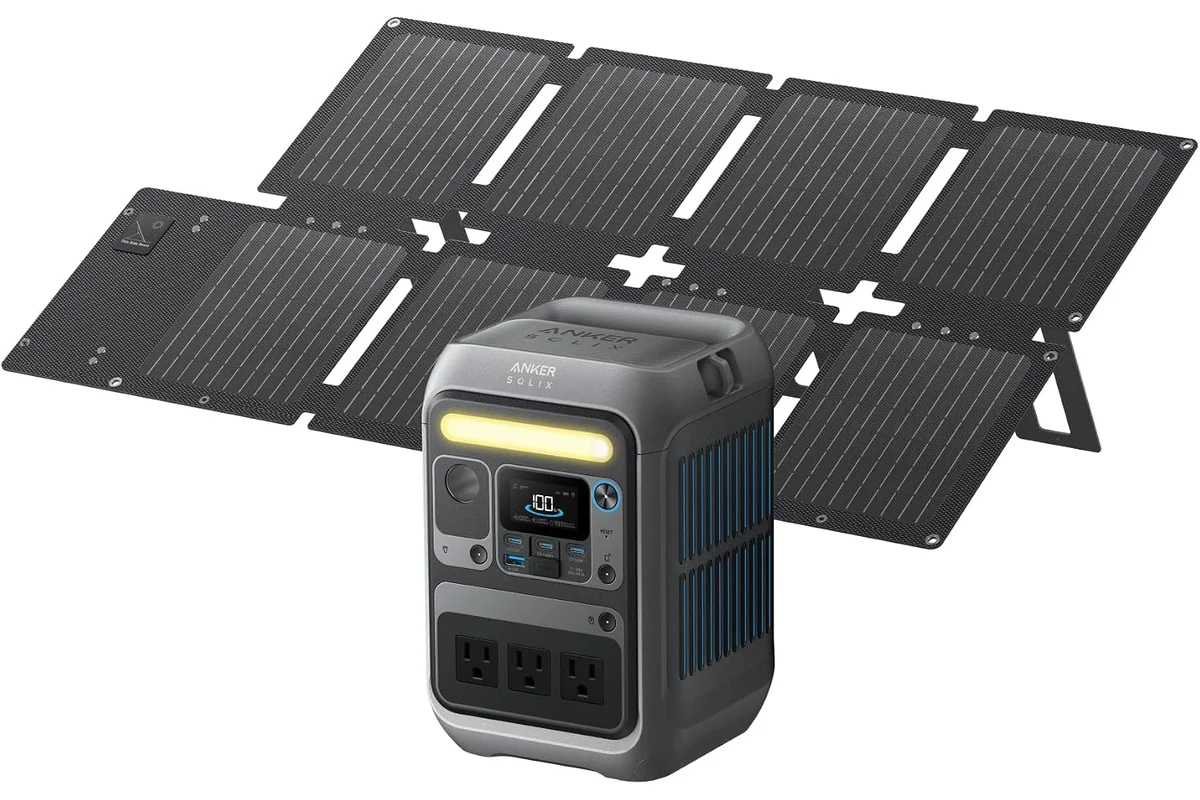
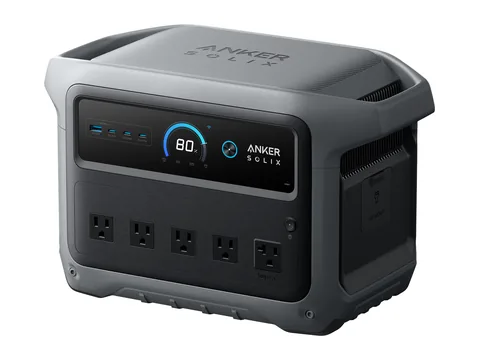
288 Wh and 300 W (600 W surge) in a 9-pound box, with 3 AC outlets and two 140 W USB-C ports. Read more
Pros
- 4.6 stars on 1,900+ ratings
- 80% in about 50 minutes from the wall
- 5-year warranty
Cons
- 300 W limit on the AC outlets
- 100 W solar max
- Check Amazon Price
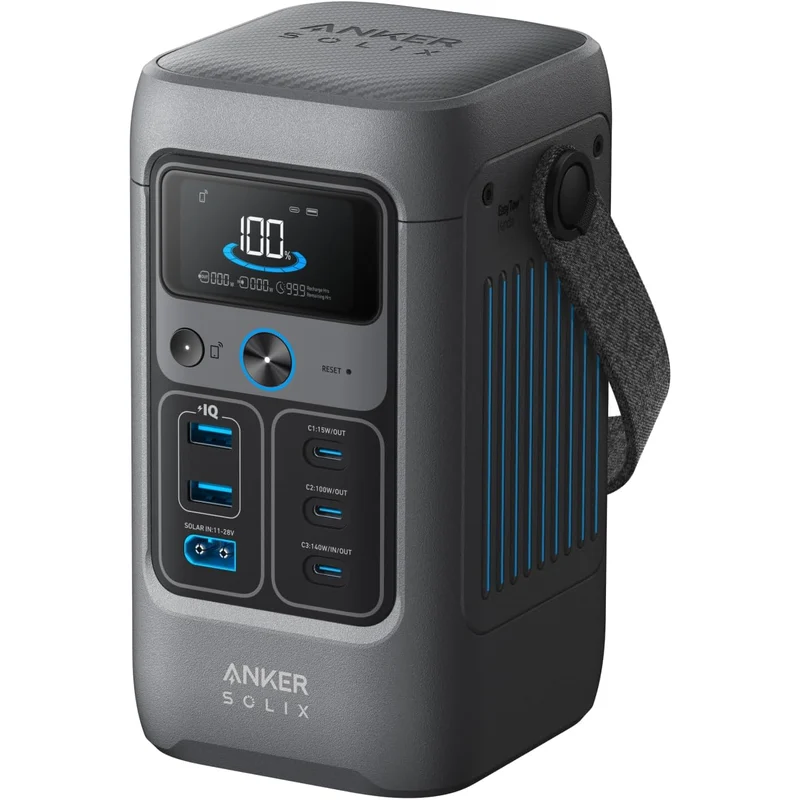
The same 288 Wh battery with no AC outlets and three high-power USB-C ports, for laptops, phones and cameras. Read more
Pros
- Three USB-C ports (140/140/100 W)
- A little cheaper
Cons
- No AC outlets
- 3-year warranty
- Check Amazon Price
192 Wh and a 140 W two-way USB-C port for about $120. Read more
Pros
- About $120
- 140 W USB-C
Cons
- No AC outlets
- Smaller battery
- Check Amazon Price
1,024 Wh and 2,000 W (3,000 W peak), a full recharge in about 49 minutes, and 10 ms UPS switchover. Read more
Pros
- Runs real appliances
- 600 W solar input
- 10 ms UPS
Cons
- About 25 lb
- About $470
Prefer to watch?
Anker SOLIX C300 Review: What a $280 Power Station Actually Runs Watch on YouTube
A power station that weighs about nine pounds, charges a laptop at full speed and costs about $280 sounds almost too good. That’s the Anker SOLIX C300. So what can a box this small actually run, and when should you skip it?
I haven’t had one on my bench. For this review I went through Anker’s spec sheet and the Amazon listing line by line, and read through close to 2,000 owner ratings. The listing was in stock and sold by Anker’s own store when I checked on November 22, 2026. The short version: for camping, travel, and keeping your internet or a CPAP going through a short outage, it’s one of the best small stations you can buy. For anything with a heating element or a compressor, get something bigger.
Key specs
| Spec | Anker SOLIX C300 |
|---|---|
| Battery | 288 Wh, LFP (lithium iron phosphate), rated for 3,000 cycles |
| Output | 300 W continuous, 600 W surge |
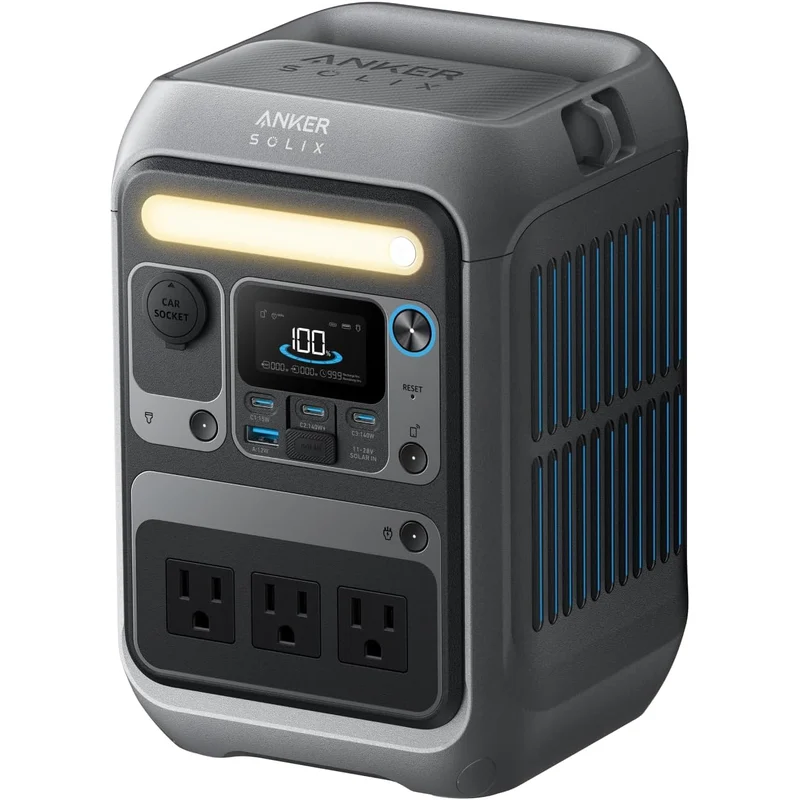
| Ports | 3 AC outlets (300 W total), car socket (120 W), 2 USB-C (140 W each, two-way), 1 USB-C (15 W), 1 USB-A (12 W) |
| Wall recharge | 80% in about 50 minutes |
| Solar input | Up to 100 W |
| Noise | About 25 dB from 3.3 ft (Anker’s figure) |
| Size and weight | About 6.5 x 6.3 x 9.5 in, about 9 lb |
| Warranty | 5 years |
Source: Anker’s Amazon listing, checked November 22, 2026.
What it actually runs
Here’s rough math, after about 15% is lost converting battery power to what your device uses:
- A 60 W laptop: about 4 hours
- A Wi-Fi router and modem (about 20 W): about 12 hours, a whole night of internet during an outage
- A CPAP without the heated humidifier (about 35 W): about 7 hours, roughly one night
- Phones: many full charges
These are estimates. Your devices may pull more or less than these numbers, so check the label or use a plug-in watt meter.
Living with it
Charging is the best part. Anker says it hits 80% in about 50 minutes from the wall. The two big USB-C ports work both ways, so you can charge the station from a laptop charger or charge a laptop from the station at full speed.
It charges on the road too. It takes power from your car socket and up to 100 W of solar from a panel like Anker’s 60 W or 100 W models.
It’s quiet. Anker rates it at about 25 dB from three feet, so it can sit next to the bed.
Owners like it. More than 1,900 ratings average 4.6 stars, about as good as it gets for a power station.
The catch
- 300 W is the hard limit on the AC outlets. A coffee maker, hair dryer, space heater or microwave will shut it off.
- 288 Wh is small. It’s for electronics and a CPAP, not a full-size fridge or a house.
- Solar tops out at 100 W, and Anker says it doesn’t work with its PS30, PS200 or PS400 panels.
- The shoulder strap is sold separately.
Who should buy something else
If you only charge phones, laptops and cameras, the Anker SOLIX C300 DC drops the AC outlets and adds a third high-power USB-C port, for a little less. Its warranty is 3 years instead of 5.
If you want the cheapest way in, the Anker SOLIX C200 DC gives you 192 Wh and a 140 W USB-C port for about $120.
If you want real home backup, step up to the Anker SOLIX C1000 Gen 2. You get 1,024 Wh, 2,000 W of output (3,000 W peak), a full recharge in about 49 minutes, 600 W of solar input and 10 ms UPS switchover.
The 10-second runtime math
Take the battery’s watt-hours, multiply by 0.85, then divide by the watts your device pulls. That’s roughly how many hours you’ll get. For the C300: 288 x 0.85 is about 245, and 245 divided by a 60 W laptop is about 4 hours. It works for any power station.
The bottom line
The C300 does the small stuff really well: fast charging, a quiet fan and a long warranty, in a box you can carry with one hand. Just don’t ask it to run anything that heats up. For that, the C1000 Gen 2 is the one I’d get.
For more options, see our best power stations for a CPAP and best portable power stations for a refrigerator.
We may earn a commission if you buy through links on this page. It never changes what we recommend. As an Amazon Associate we earn from qualifying purchases. Learn more.