What 'Garage Ready' Means for a Fridge or Freezer
Garage ready means a fridge or freezer is built and tested for garage heat and cold. Here's what the ratings mean, why regular models fail in garages, and what to buy.

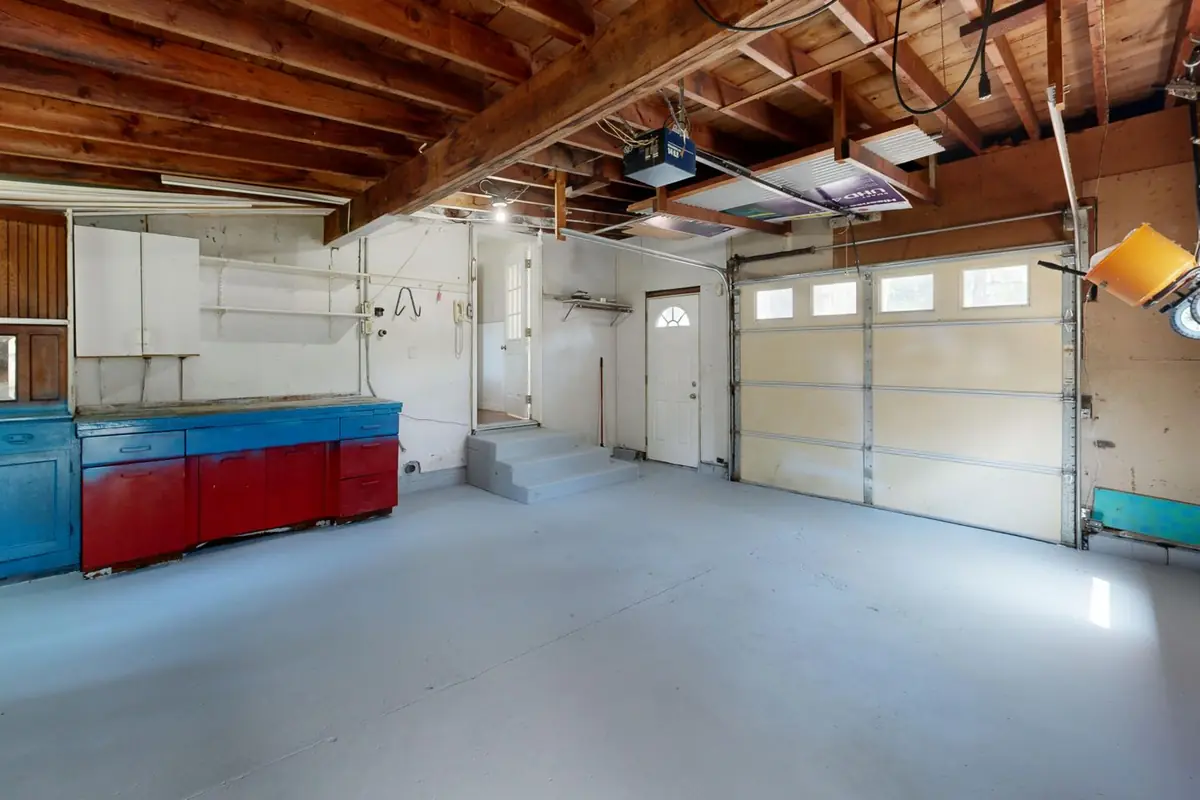
“Garage ready” is a label manufacturers use for refrigerators and freezers that are built and tested to work in places where the temperature swings a lot: garages, unheated basements, sheds and workshops.
It’s not a government standard. Each manufacturer decides what it means for its own products. That’s why the temperature range on the spec sheet matters more than the label itself.
Why regular fridges and freezers struggle in a garage
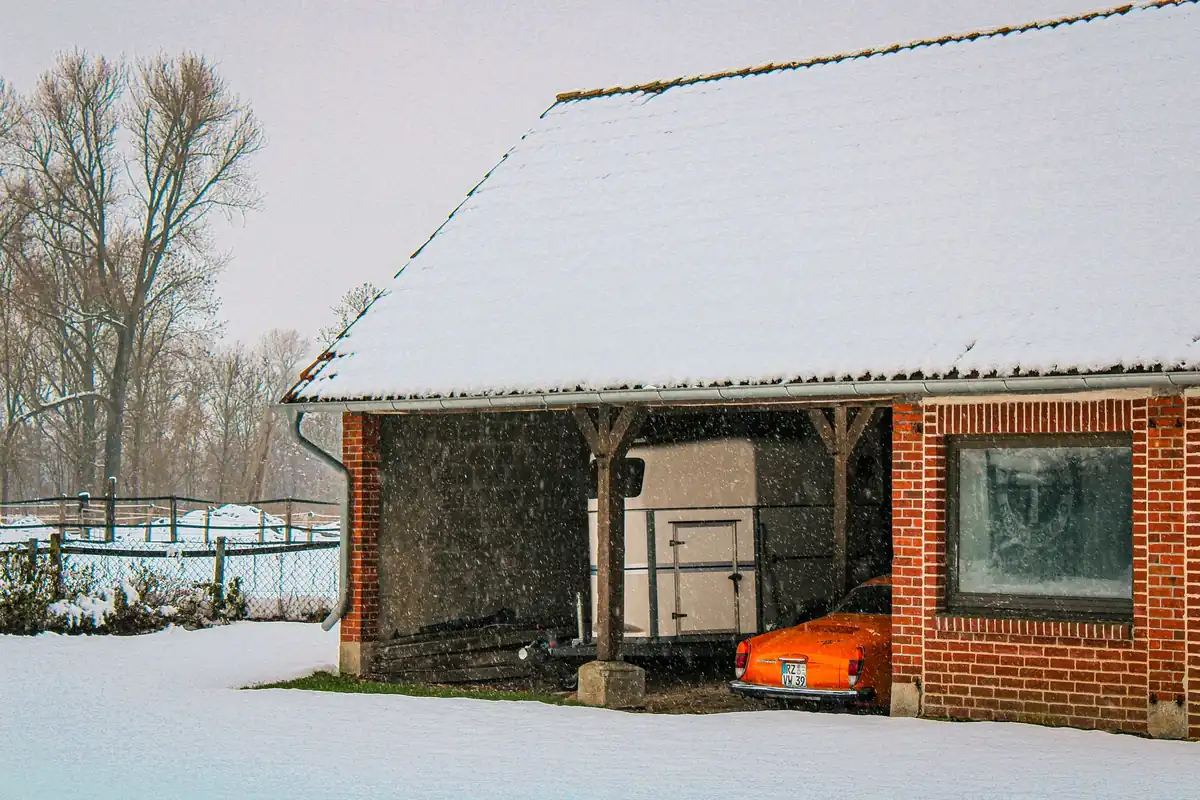
Most kitchen appliances are designed for a room that stays roughly between 55°F and 90°F. A garage can go well outside that in both directions.
In the cold
This is the problem most people don’t expect. A refrigerator’s thermostat measures the temperature in the fresh food section. When the garage is cold, the fridge section stays cold without help, so the compressor runs less. In a fridge with a freezer, the freezer depends on that compressor too, so it can warm up and your frozen food can thaw.
Standalone freezers can have a similar problem. Some models also have oil and refrigerant that don’t flow well in cold temperatures.
In the heat
A hot garage makes the compressor run almost nonstop to keep up. That uses more electricity, strains the compressor and can shorten its life. Food may not stay at safe temperatures on the hottest days.
What garage-ready models do differently
Depending on the brand, garage-ready models may have:
- Thermostats and controls designed for a wide range of temperatures
- Stronger compressors and better insulation for summer heat
- Components that keep running properly in the cold
- Testing in hot and cold rooms to confirm they hold safe temperatures
Typical garage ratings
| Appliance | Typical garage-ready range |
|---|---|
| Chest freezers | About 0°F to 110°F |
| Upright freezers | About 0°F to 110°F |
| Refrigerators | About 38°F to 110°F |
| Convertible freezers in fridge mode | About 38°F to 110°F |
Notice the difference. Garage-ready freezers usually handle a garage down to 0°F, but garage-ready refrigerators usually only go down to about 38°F. If your garage gets close to freezing in winter, a fridge may not run properly, even if it’s labeled garage ready.
How to choose
- Know your garage’s range. A cheap indoor-outdoor thermometer with a min/max memory will tell you how cold and hot it really gets over a season.
- Check the spec sheet, not the box. Look for the stated ambient range, usually in the specifications or the manual.
- For frozen food in a cold garage, buy a freezer, not a fridge. Garage-ready freezers handle cold far better.
- Keep it simple. Consumer Reports recommends skipping ice makers, water dispensers and smart features in a garage fridge, since they’re more likely to fail.
Our garage picks
- The best chest freezers for a garage
- The best upright freezers for a garage
- The best garage refrigerators
Deciding between freezer styles? Read chest freezer vs upright freezer.
Tips for any garage fridge or freezer

- Leave space around it for airflow, especially at the back and top. Check the manual for clearances.
- Keep it out of direct sun and away from the water heater.
- Use a dedicated outlet, not an extension cord. If the outlet is GFCI-protected, check now and then that it hasn’t tripped.
- Put a thermometer inside. It’s the simplest way to know your food is safe: 40°F or below for a fridge, 0°F or below for a freezer.
- Keep it fairly full. A full freezer holds its temperature better.
Quick answers
Is “garage ready” the same as “outdoor rated”? No. Garage ready means it can handle garage temperatures under a roof. Outdoor refrigerators are a separate category built for rain, sun and patios.
Can I make my regular fridge garage ready? Some older models offered a garage heater kit from the manufacturer. Check your manual or the maker’s parts site. Otherwise, insulating or heating the garage is the main fix.
Will a garage-ready freezer work in a garage that drops below 0°F? Most aren’t rated below 0°F. If your winters get that cold, look for a model with a lower rating or keep the freezer in a heated space.