How to Anchor a Dresser to the Wall (Even Without a Stud)
Fasten a strap or bracket to the dresser's solid top frame, screw the other end into a stud, and keep it short and tight. Step-by-step instructions for drywall, plaster and brick, plus what to do when you rent.

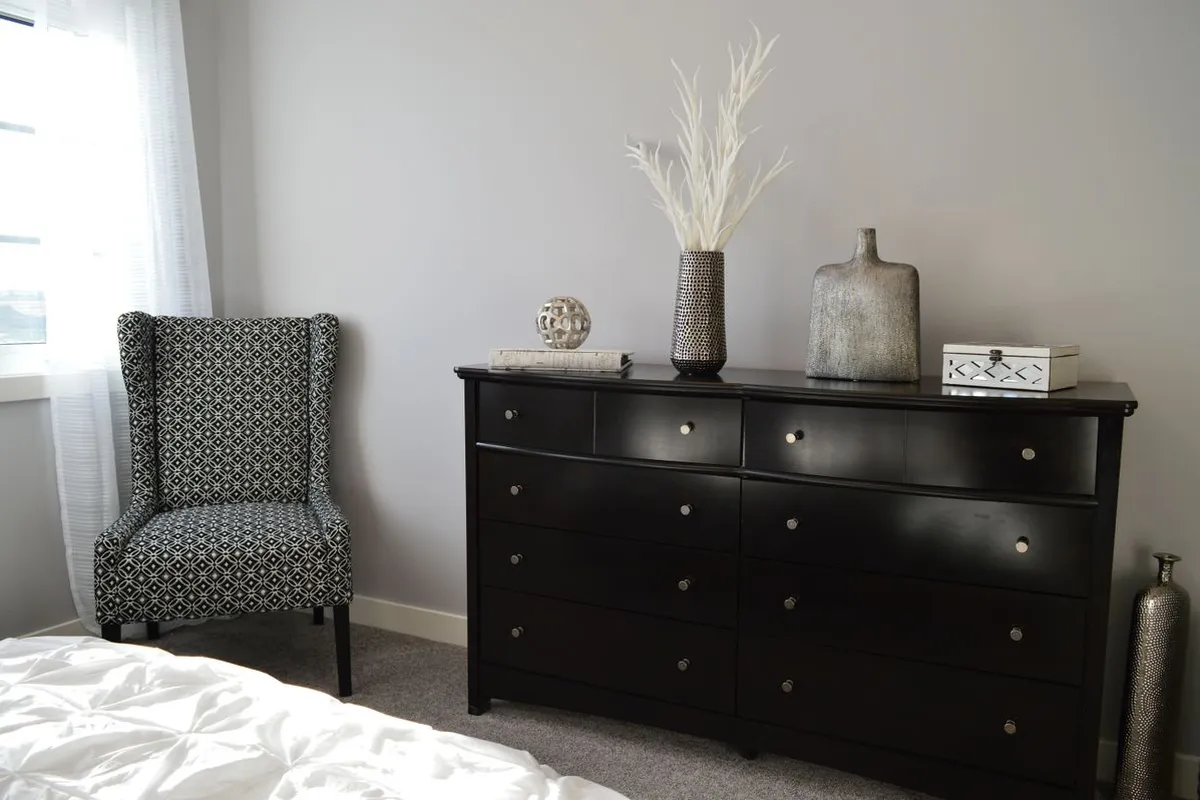
A dresser feels heavy and solid, right up until somebody pulls out all the drawers and climbs them like a ladder. With the drawers open, the weight shifts forward, and a tall dresser can tip over with surprisingly little force. Kids under six are most at risk, but it can happen to an adult pulling hard on a sticky drawer too.
Anchoring a dresser to the wall takes about 20 minutes and is one of the most worthwhile little jobs in a home with children. Since September 2023, new dressers sold in the US have had to meet a federal stability standard, but that doesn’t cover the dresser you already own, a hand-me-down, or the one you picked up secondhand. Anchoring covers all of them.
What you need
- An anti-tip kit. Most dressers come with one in the hardware bag: a strap or cable, or a pair of small metal brackets. If yours is missing, hardware stores sell generic kits.
- A drill with a small bit for pilot holes.
- Screws for the wall. Use wood screws long enough to go at least an inch and a half into a stud. The short screws in some kits are meant for the dresser side, not the wall.
- A pencil, a level and a tape measure.
- Toggle bolts or masonry anchors if you can’t hit a stud. More on that below.
Step 1: Find a stud behind the dresser
Move the dresser away from the wall and look for a stud near where one of the back top corners will sit. Studs are usually 16 inches apart, so there’s almost always one within reach of a dresser that’s 30 inches wide or wider.
A stud finder makes this quick. If you don’t have one, our guide on how to find a stud without a stud finder covers seven ways to do it with things you already have, including the magnet trick and measuring from an outlet.
Once you’ve found the stud, mark it at a height just below the top of the dresser.
Step 2: Attach the strap or bracket to the dresser
This is where most anchoring jobs go wrong. The back of most dressers is a thin sheet of hardboard, often just tacked or stapled on. A screw into that panel will pull right out the moment the dresser leans.
Instead, attach the bracket to solid wood near the top of the dresser: the underside of the top, the top rail of the frame, or one of the side panels near the top back corner. Use the screws that came in the kit, and drill a small pilot hole first so you don’t split the wood. On particleboard furniture, don’t overtighten. Stripped particleboard won’t hold.
If your dresser came with its own instructions for where the tip kit goes, follow those. Some newer dressers have a pre-drilled spot or a marked area for it.
Step 3: Attach the other end to the wall
- Push the dresser back to where it will sit and mark the wall at the stud, roughly level with the dresser bracket.
- Pull the dresser out again just enough to work behind it.
- Drill a pilot hole at your mark, through the drywall and into the stud.
- Screw the wall bracket on with a wood screw that goes at least an inch and a half into the stud. You should feel it bite into wood. If it suddenly goes slack, you’ve missed the stud. Move over and try again.
Step 4: Connect the two and take up the slack
Push the dresser back against the wall and connect the strap or cable between the two brackets. Pull it short and tight. A loose strap lets the dresser tip far enough for drawers to slide open and the weight to shift, which is the very thing you’re trying to stop.
Most dressers don’t sit flush against the wall because the baseboard holds them out an inch or so. That’s fine. Just keep the strap as short as you can across that gap.
Step 5: Test it
Pull the top drawer all the way out and tug the dresser forward firmly at the top. It shouldn’t move more than a hair. If the strap stretches, a bracket shifts, or a screw looks like it’s pulling out of the dresser, fix that before you call it done.
If you have a second stud within reach, adding a second anchor on the other side makes it much sturdier. It’s worth it on tall chests of drawers.
When you can’t reach a stud
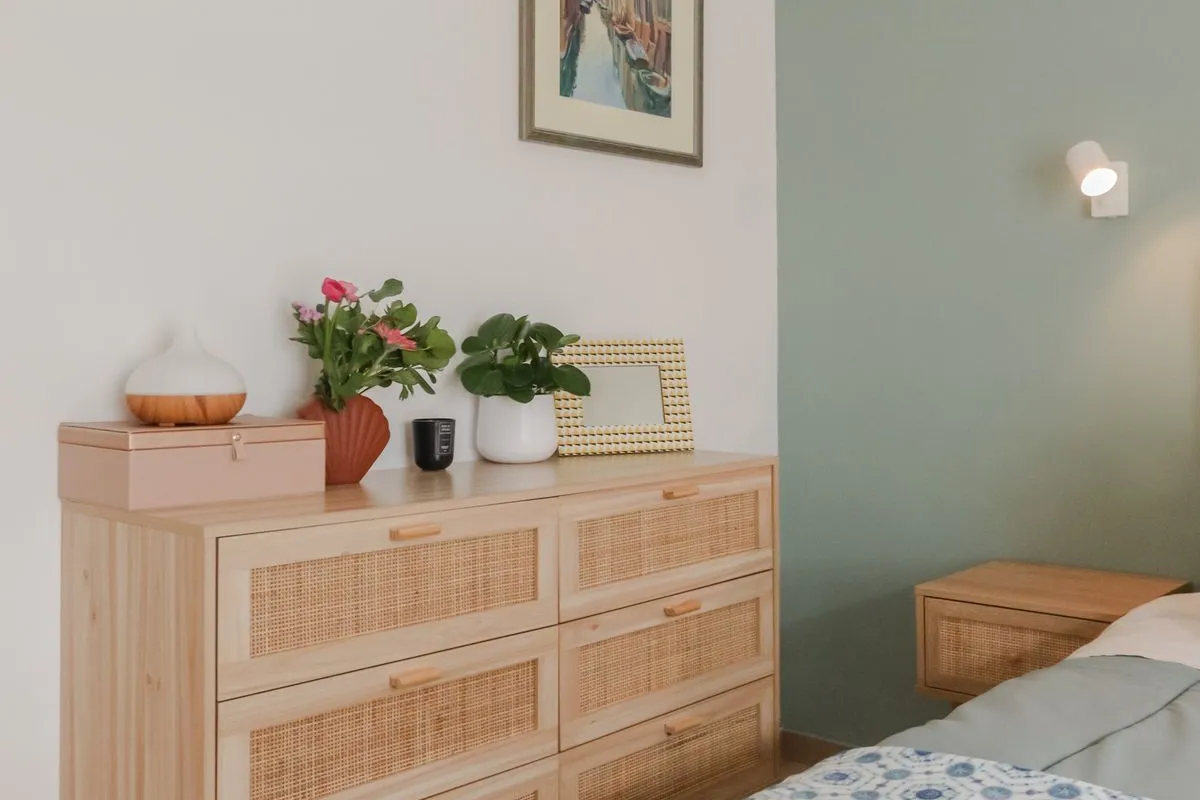
Sometimes the dresser has to go somewhere without a stud behind it. Here’s what to use instead:
- Drywall: use a metal toggle bolt (the kind that snaps open behind the wall), rated well above the weight of the dresser. Skip the small plastic expansion anchors. They’re fine for picture frames, but they can pull straight out under a sudden jerk.
- Plaster and lath: drill slowly with a sharp bit so you don’t crack the plaster, then use a toggle bolt, or try to catch a stud, which is often easier to find in older walls because of the lath nails.
- Brick or concrete: use masonry screws or sleeve anchors with a masonry bit. Our guide on drilling into brick or concrete walks through it.
- Steel studs: use toggle bolts or screws made for metal studs. Regular wood screws won’t hold in thin steel.
If you rent
Anchoring a dresser leaves one or two small screw holes, which are easy to patch with spackle when you move out. Many landlords are fine with it, and some even require anchoring in units with kids. Ask first if your lease says anything about holes in the walls, and keep the request in writing.
If you can’t drill at all, keep the heaviest items in the bottom drawers, keep the top clear, and use drawer locks so little ones can’t pull all the drawers out at once. These don’t replace anchoring, but they help.
Other furniture worth anchoring
The same method works for bookcases, tall cabinets, wardrobes and TV stands. Anything taller than it is deep and heavy enough to hurt someone is a candidate.
A TV sitting on top of a dresser is a common setup, and a risky one, because the weight sits up high. Either mount the TV on the wall or strap it to the dresser and the dresser to the wall.
A few habits that help
- Put heavy things in the bottom drawers and lighter clothes up top.
- Don’t leave toys or snacks on top of the dresser. That’s exactly what tempts a kid to climb it.
- Teach kids not to climb furniture, even after it’s anchored.
- Check the strap once a year. Screws can work loose as the dresser gets bumped and moved around.
Working your way around the bedroom? Here’s how to stop a bed frame from squeaking, which is usually a quick fix with a wrench and a few minutes.