Best Japanese Kitchen Knives for Beginners
A first Japanese knife should be sharp, stainless and forgiving. Our picks for a beginner gyuto from Mac, Tojiro, Misono and Fujiwara, most under $100.

We may earn a commission if you buy through links on this page. It never changes what we recommend. As an Amazon Associate we earn from qualifying purchases. Learn more.
Our top picks at a glance
1 Best overall
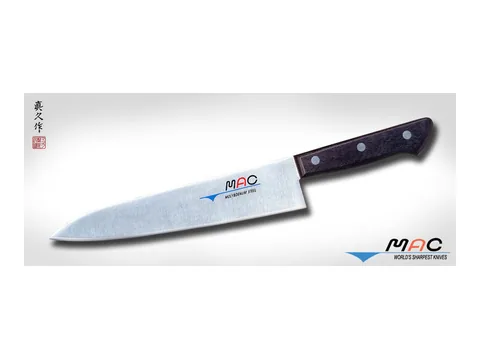
Mac Chef Series 8.5-Inch Gyuto (HB-85)
About $80
Very light and razor-sharp, from a brand professional cooks trust. Read more
Pros
- Very light
- Razor-sharp edge
- Stainless and low-maintenance
Cons
- Shorter blade height for big hands
2 Best steel for the price
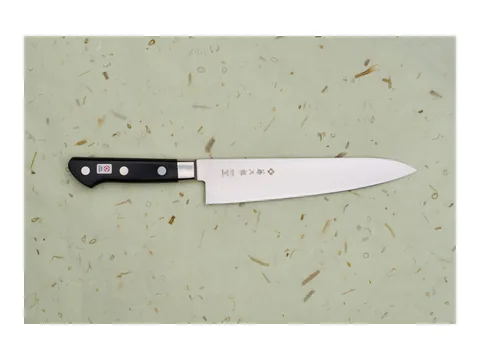
Tojiro DP Gyuto 210mm
About $100 to $140
A hard VG-10 core that holds its edge, with a Western handle that feels familiar. Read more
Pros
- Hard VG-10 steel core
- Sharp out of the box
- Western-style handle
Cons
- Reviewed found it lacked strength on squash
- Price varies a lot
3 Best known brand
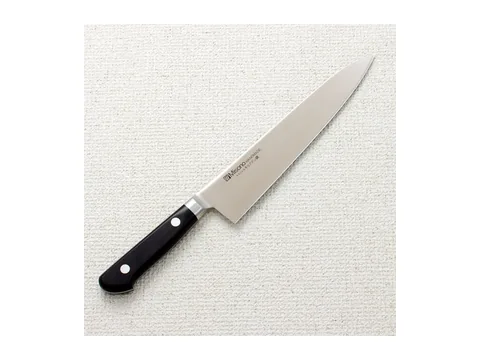
Misono Molybdenum Gyuto 210mm
About $85
A well-respected Japanese maker's entry-level knife, light and sharp. Read more
Pros
- Reputable maker
- Light and sharp
- Waterproof pakkawood handle
Cons
- Edge is set for right-handed users
4 Best budget
Fujiwara Kanefusa FKM Gyuto 210mm
Under $80
A classic, well-balanced gyuto for learning Japanese knife skills. Read more
Pros
- Inexpensive
- Light and well balanced
- Classic gyuto shape
Cons
- Right-handed edge only
- Softer steel dulls sooner
Japanese knives have a reputation for being razor-sharp and a little intimidating. The truth is, a good beginner Japanese knife is easy to use, and many cost under $100.
For a first Japanese knife, start with a gyuto, the Japanese version of a chef’s knife. It does everything a Western chef’s knife does, with a thinner, lighter blade. A 210mm gyuto, about 8.25 inches, is the most common starting size.
What makes a good beginner Japanese knife
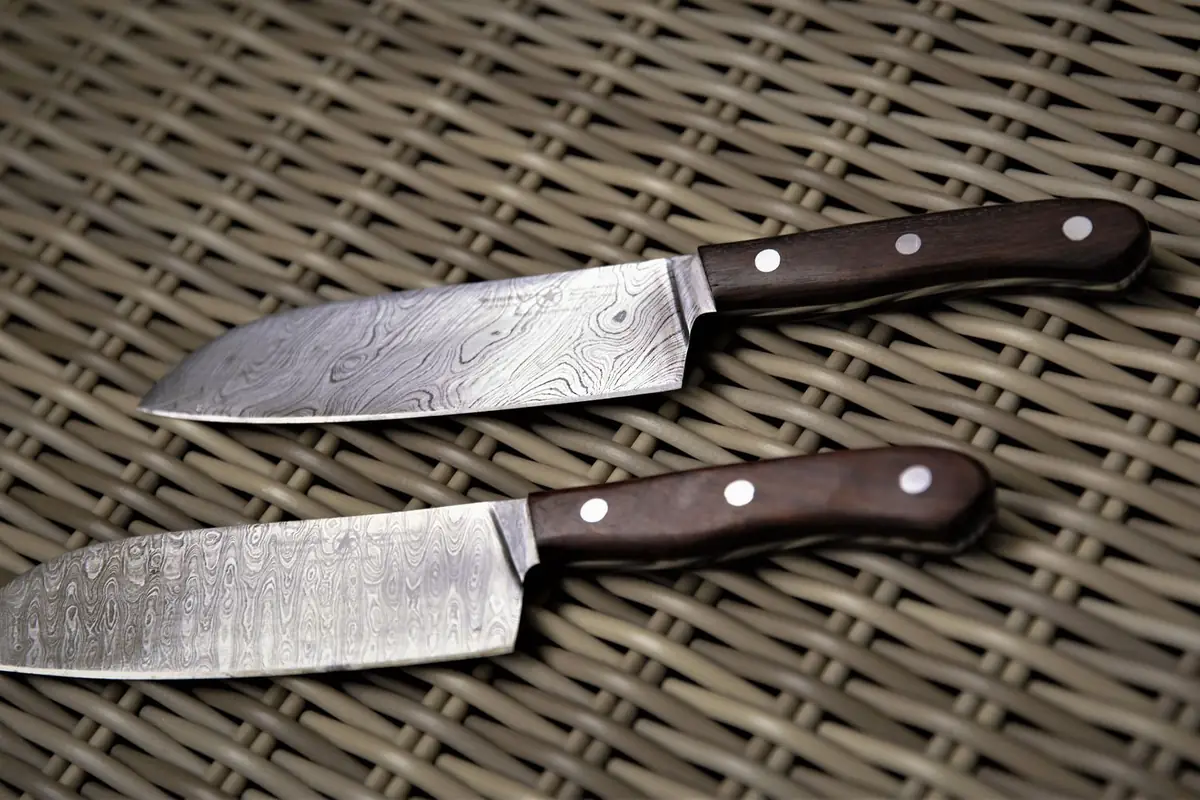
- Stainless steel. Carbon steel takes a great edge but rusts if you leave it wet. Start with stainless.
- A Western-style handle. It feels familiar if you’re used to Western knives.
- Medium-hard steel. Very hard steel holds an edge longer but is more likely to chip. Around 58 to 60 on the Rockwell scale is a good balance.
- A price you won’t worry about. Your first Japanese knife will get a few nicks while you learn.
Side by side
| Knife | Steel | Hardness | Weight | Approx. price |
|---|---|---|---|---|
| Mac HB-85 | Molybdenum alloy | 58 to 60 HRC | 139 g | $80 |
| Tojiro DP 210mm | VG-10 core, 3-layer | 60 HRC | 180 g | $100 to $140 |
| Misono Molybdenum 210mm | AUS-8 | 57 HRC | 156 g | $85 |
| Fujiwara FKM 210mm | AUS-8 | 57 to 58 HRC | 165 g | Under $80 |
Specs are from The Chef Dojo's comparison of gyutos under $100 and manufacturer listings. Test notes on the Tojiro are from Reviewed. Prices vary a lot between retailers.
1. Mac Chef Series HB-85: Best overall
Who it’s for: Most people buying a first Japanese knife.
Mac is a favorite with professional cooks, and its Chef series is the brand’s entry point. The HB-85 is the lightest knife in The Chef Dojo’s group at 139 grams, with a razor-sharp edge of about 15 degrees and a pakkawood handle with no bolster, which makes it easy to sharpen all the way to the heel.
What bugs us: The blade is shorter from spine to edge than average, so people with large hands may hit their knuckles on the board.
Skip it if: you want more heft. Mac’s Professional MTH-80 is a heavier step up, and it’s one of our best chef’s knives for home cooks.
2. Tojiro DP Gyuto 210mm: Best steel for the price
Who it’s for: Beginners who want a harder steel that holds its edge longer.
The Tojiro DP has a VG-10 core at about 60 HRC, wrapped in softer stainless layers, and a Western wooden handle. It’s sharp out of the box and easy to sharpen, and it’s long been recommended as a first gyuto.
What bugs us: Reviewed’s testers found it very thin and sharp but not very strong: it got stuck in butternut squash and made jagged tomato slices. It’s also heavier than the Mac, and its price swings a lot between stores.
Skip it if: you cut a lot of hard winter squash. Use a heavier knife for that.
3. Misono Molybdenum Gyuto 210mm: Best known brand
Who it’s for: Buyers who want a first knife from a long-respected Japanese maker.
Misono’s Molybdenum series is light at 156 grams, sharp out of the box, and has a waterproof pakkawood handle.
What bugs us: Its edge is ground asymmetrically (70/30) for right-handed users. Left-handed versions cost extra.
Skip it if: you’re left-handed and don’t want to special order.
4. Fujiwara Kanefusa FKM Gyuto 210mm: Best budget
Who it’s for: Beginners learning knife skills on a budget.
The FKM is a classic, well-balanced gyuto with a three-rivet pakkawood handle, in black or a reddish wine color. It’s light at 165 grams and comes in lengths from 150mm to 300mm.
What bugs us: Its 70/30 edge is designed for right-handed users. Its slightly softer steel won’t hold an edge as long as the Tojiro.
Skip it if: you’re left-handed.
Our research
We compared beginner-friendly gyutos using The Chef Dojo’s side-by-side comparison of knives under $100, Reviewed’s hands-on chef’s knife testing and manufacturer specs. We focused on:
- Steel and hardness, for a balance of sharpness and toughness
- Weight and balance
- Handle style and comfort
- Left- or right-handed edge
- Price
We haven’t tested these ourselves. Read more about how we pick products.
How to care for a Japanese knife
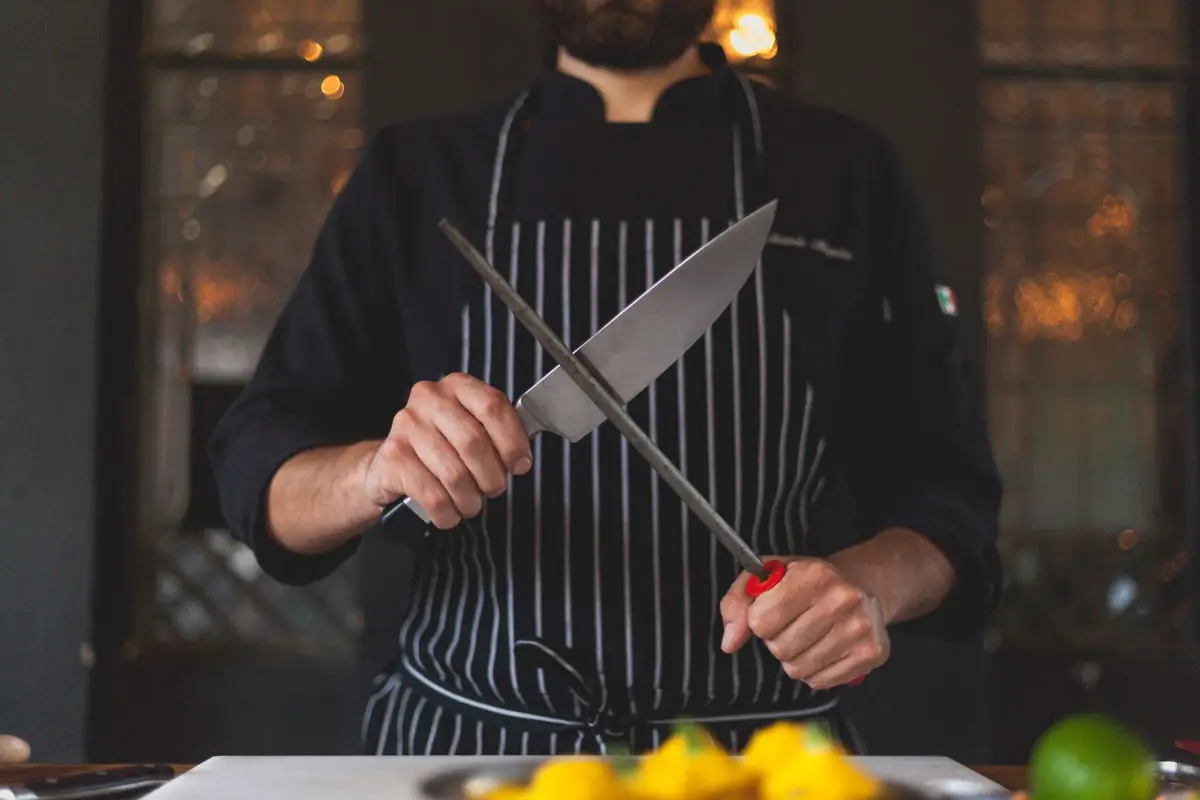
- Hand wash and dry right away. Never put it in the dishwasher.
- Don’t twist or pry. Thin edges chip if you twist them in squash or pry apart frozen food.
- Skip bones and frozen food. Use a heavier knife or cleaver.
- Use a wood or soft plastic board, not glass or stone.
- Sharpen on a whetstone. Many pull-through sharpeners are set for Western angles. Here’s how to sharpen with a whetstone.
Short answers
Are Japanese knives better than German knives? Not better, different. They’re thinner and sharper but less forgiving. Here’s German vs Japanese knives.
What’s the difference between a gyuto and a santoku? A gyuto is longer with a pointed tip and a slight curve, like a chef’s knife. A santoku is shorter with a flatter edge, made for chopping straight down.
Can left-handed people use Japanese knives? Yes. Many have symmetrical (50/50) edges. Check before you buy, since some are ground for right-handed users.