Carbon Steel vs Cast Iron: Which Pan Should You Buy?
Carbon steel is lighter and quicker to respond. Cast iron holds heat longer and costs less. Here's how they differ in weight, heat, seasoning and everyday cooking.

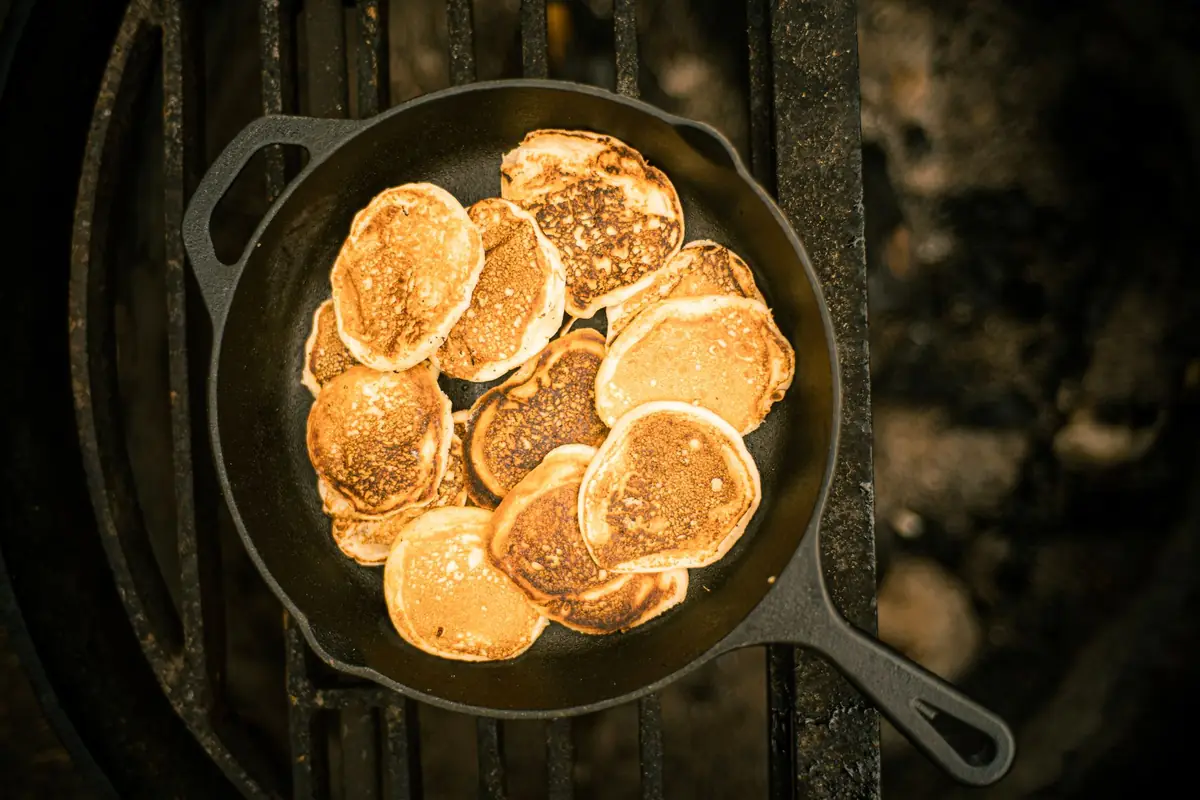
The short version: both are nearly the same metal, both need seasoning, and both last a lifetime. Carbon steel is thinner and lighter, so it heats up and cools down faster and is easier to toss food in. Cast iron is thick and heavy, so it holds heat longer and costs less.
If you can only have one, cast iron is the cheaper, more forgiving starting point. If you want a lighter pan for eggs, stir-fries and quick sears, get carbon steel.
At a glance
| Carbon steel | Cast iron | |
|---|---|---|
| Weight (12-inch) | Roughly 3.5 to 6 lb | Roughly 7 to 8 lb |
| Heats up | Faster | Slower |
| Holds heat | Less | More |
| Responds to heat changes | Quickly | Slowly |
| Surface | Smooth from the start | Often slightly pebbly |
| Seasoning | Needs it | Needs it |
| Induction | Yes, but thin pans can warp | Yes, very stable |
| Typical price | $50 to $150 | $25 to $60 for Lodge |
Carbon steel weights are from CNN Underscored's measurements of 12-inch pans. Cast iron figures are typical for a 12-inch Lodge skillet.
What’s actually different
Cast iron contains more carbon (about 2% to 4%) than carbon steel (around 1% or less). That extra carbon makes cast iron brittle, so it has to be cast thick. Carbon steel is less brittle, so it can be stamped or spun into a thin pan.
That thickness is what drives almost every practical difference.
Where carbon steel wins
- Weight. A 12-inch carbon steel pan is often a few pounds lighter, which matters when you’re flipping food or lifting a full pan.
- Speed. It heats up faster and responds when you turn the heat down, so it’s easier to control for eggs and fish.
- Smoother surface. It gets slick with seasoning sooner than rough-textured cast iron.
- Shapes. Woks, crepe pans and sloped French skillets are all carbon steel.
Where cast iron wins
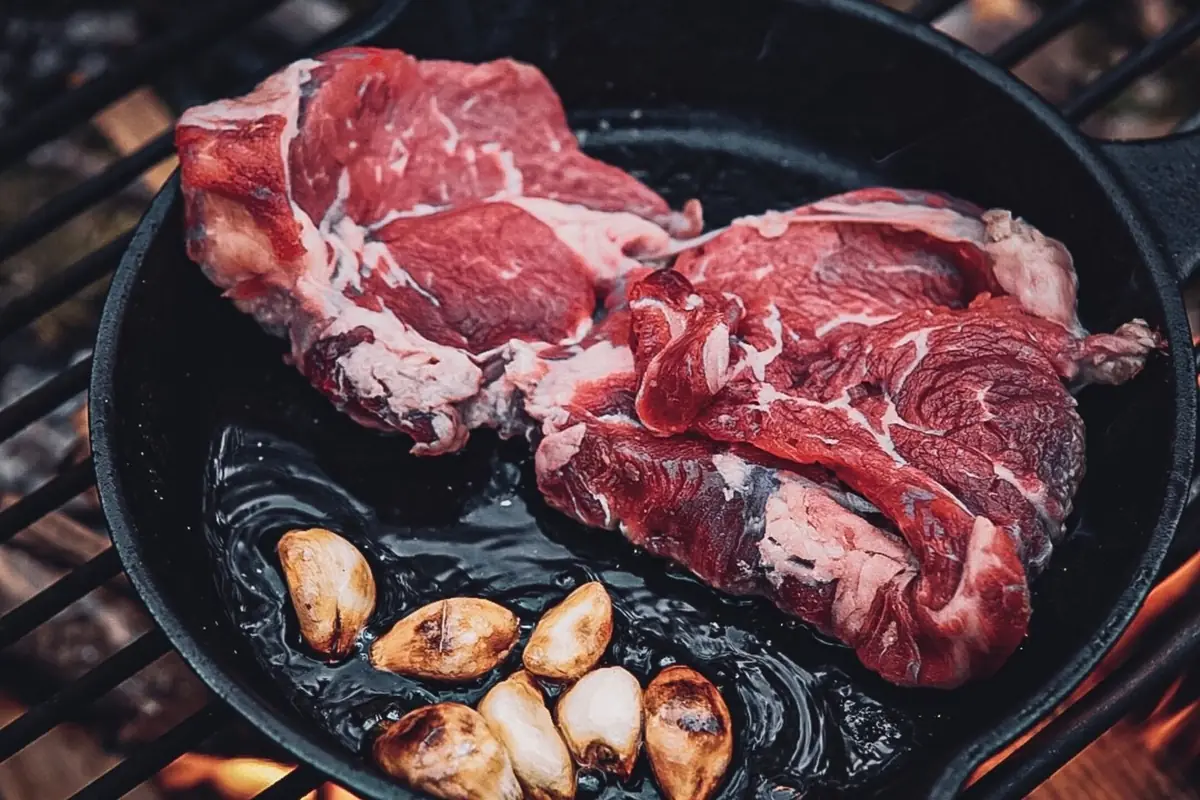
- Heat retention. Once hot, cast iron stays hot when you drop in a cold steak. That’s great for searing and for cornbread and deep-dish pizza.
- Even heating once preheated. Thick iron smooths out hot spots, given enough preheating time.
- Flatness. Thick cast iron is very unlikely to warp, which makes it reliable on glass and induction cooktops. Thin carbon steel can bow at high heat.
- Price. A Lodge cast iron skillet costs less than most carbon steel pans.
- Baking. Cast iron comes in more baking shapes, like Dutch ovens and muffin pans. See enameled vs bare cast iron Dutch ovens.
Care is almost the same
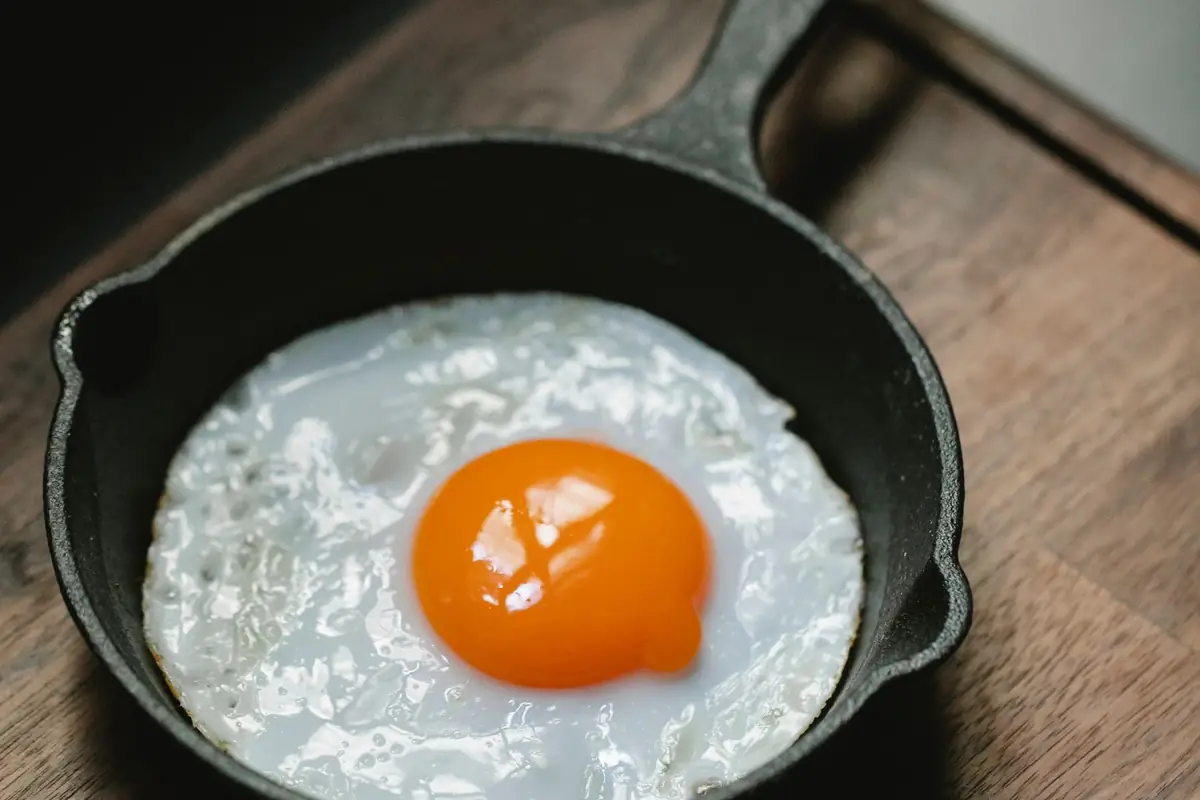
Both need seasoning, should be dried right away and lightly oiled, and shouldn’t soak or go in the dishwasher. Both can rust and both are easy to restore. Long-cooked acidic foods can strip seasoning on either one.
Carbon steel usually ships needing more seasoning work. Here’s how to season a carbon steel pan.
Which should you buy?
Get carbon steel if:
- You want a lighter pan
- You cook lots of eggs, fish or stir-fries
- You like tossing food in the pan
Get cast iron if:
- You want the cheapest, toughest option
- You sear steaks, bake cornbread or make pan pizza
- You want a pan that stays flat on a glass or induction cooktop
Many cooks end up with both.
Questions people ask
Is carbon steel better than cast iron? Neither is better overall. Carbon steel is lighter and quicker. Cast iron holds heat better and costs less.
Is carbon steel nonstick? Once it’s well seasoned, it’s slick enough for eggs, but it’s not as foolproof as coated nonstick.
Do they work on induction? Yes, both are magnetic. Pick a carbon steel pan that resists warping, like the Lodge in our best carbon steel pans.