Enameled vs Bare Cast Iron Dutch Oven: Which Should You Buy?
Enameled cast iron is easier to care for and handles tomato sauce and wine. Bare cast iron is cheaper and nearly indestructible. Here's how to choose.

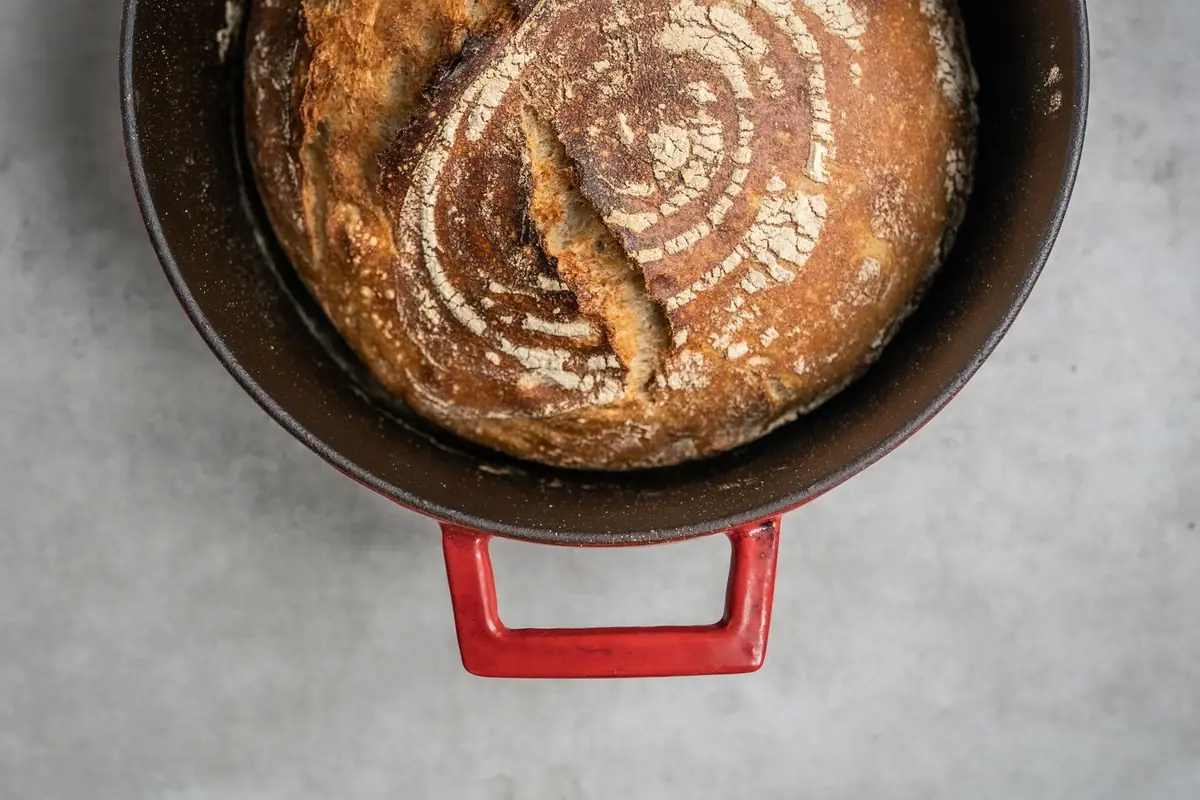
Both are cast iron, and both hold heat beautifully. The difference is the coating. An enameled Dutch oven has a glass-like finish fused to the iron, inside and out. A bare (or “seasoned”) one is plain iron protected by layers of baked-on oil, just like a cast iron skillet.
That one difference changes what you can cook, how you clean it and how much you’ll pay.
At a glance
| Enameled cast iron | Bare cast iron | |
|---|---|---|
| Price | About $90 to $450 | About $40 to $100 |
| Seasoning | Not needed | Needed, and needs upkeep |
| Acidic foods (tomato, wine, vinegar) | Fine for long cooks | Can strip seasoning and taste metallic |
| Rust | Doesn’t rust where enameled | Rusts if left wet |
| Cleaning | Soap and water, soak if needed | Gentle wash, dry right away, oil lightly |
| Very high heat | Check the knob and maker’s limits | Handles almost anything |
| Durability | Enamel can chip or crack if dropped or shocked | Nearly indestructible |
| Campfire and grill | Not ideal | Great |
Why choose enameled
- You cook a lot of tomato sauces, braises with wine, or chili. Long, acidic cooks can damage seasoning on bare iron and leave a metallic taste. Enamel doesn’t react.
- You want easy care. No seasoning, no worrying about rust, and you can soak it overnight.
- You want it to look nice on the stove. Enameled pots come in plenty of colors and go straight to the table.
The downsides: Enameled Dutch ovens cost more, and the enamel can chip if you bang the pot or crack if you plunge a hot pot into cold water. Light-colored interiors stain over time, especially from high-heat bread baking. Some knobs have lower heat limits, so check before you bake at 500°F.
Why choose bare cast iron
- You want the lowest price. A bare Lodge Dutch oven costs a fraction of an enameled one.
- You bake a lot of bread at high heat. Bare iron doesn’t mind being preheated empty at 500°F, and there’s no light interior to stain.
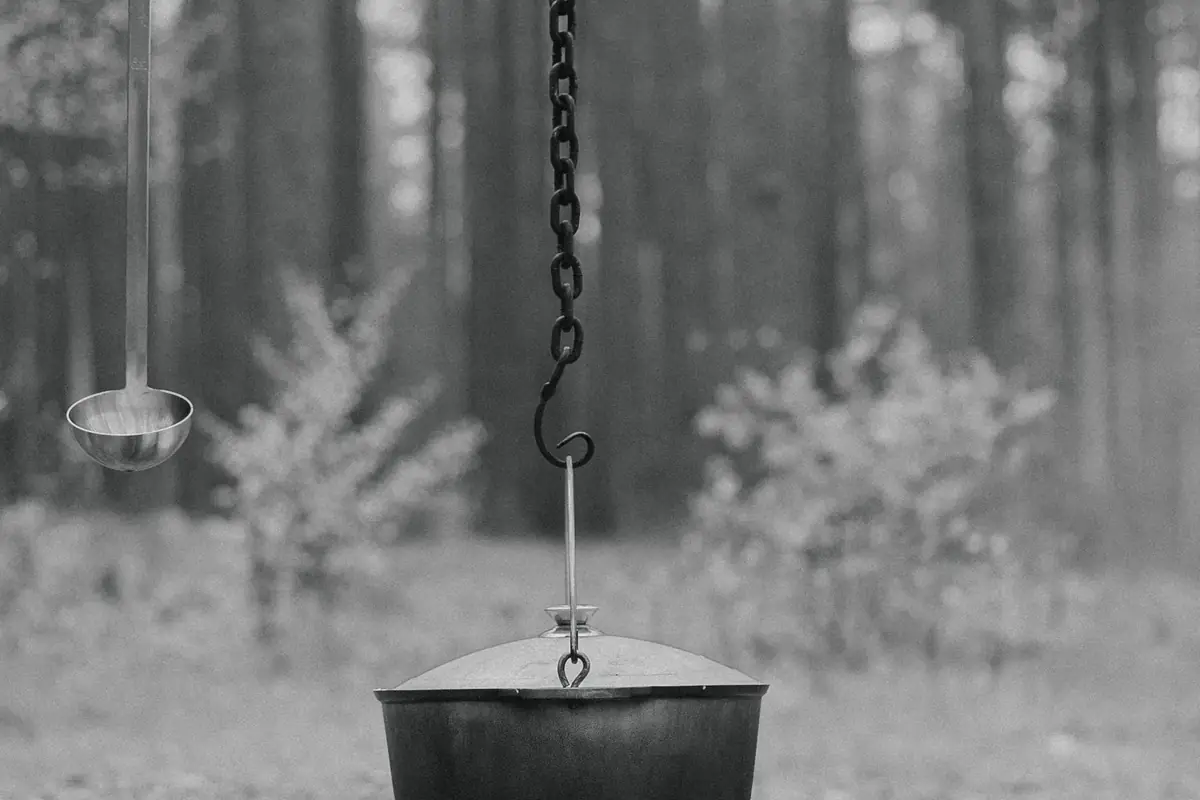
- You cook outdoors. Bare cast iron is the classic campfire pot.
- You want something you can’t really ruin. Even a rusty bare pot can be scrubbed and re-seasoned.
The downsides: It needs seasoning and upkeep, it can rust if left wet, and long simmers of acidic food can wear the seasoning. New pots can be a bit sticky until the seasoning builds up. If you’ve never cared for cast iron, here’s how to season a cast iron skillet (Dutch ovens work the same way) and how to get rust off cast iron.
Which is better for bread?
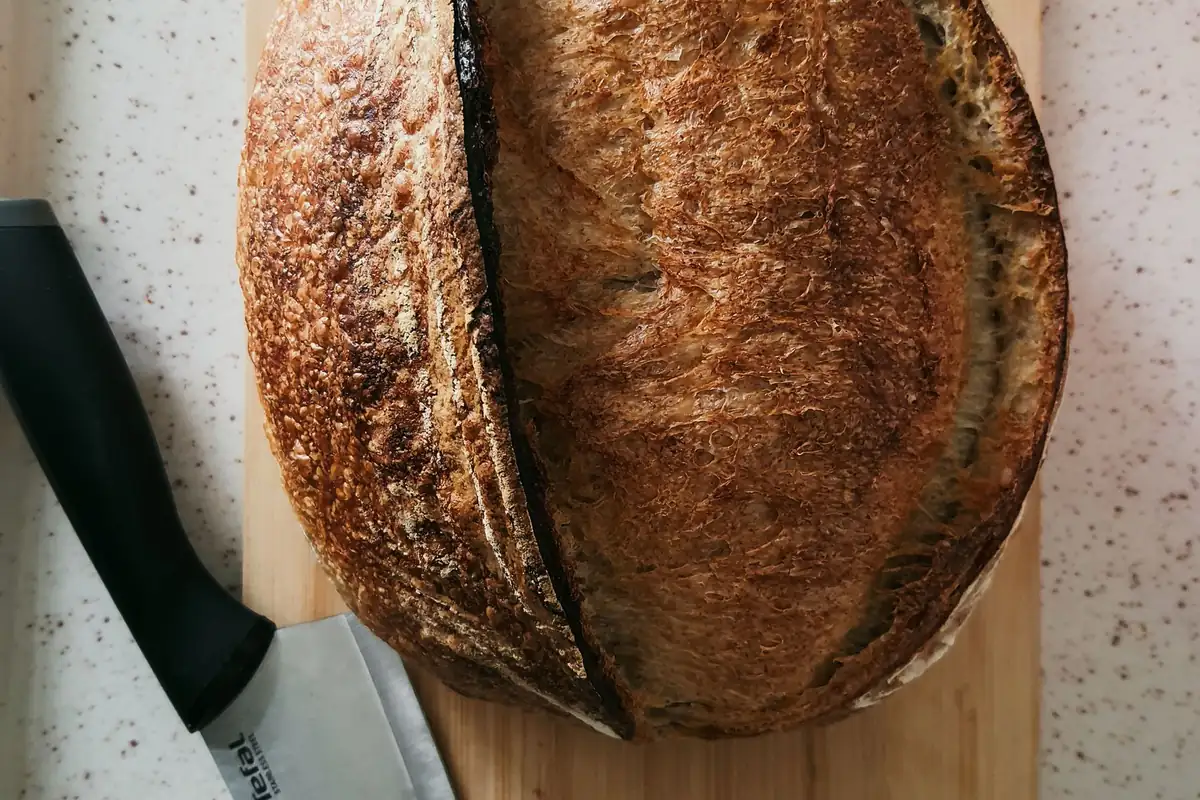
Both work well. Bare cast iron is a little better suited: it’s cheaper, it doesn’t mind being preheated empty, and you don’t have to worry about staining. That’s why our best value pick for sourdough, the Lodge Combo Cooker, is bare iron. Enameled pots also bake great bread; just check the knob’s heat rating and the maker’s guidance on preheating an empty pot. See the best Dutch ovens for sourdough.
Which is better for soups and braises?
Enameled. It’s the better choice for long, wet, acidic cooking, and it’s easier to clean afterward.
Our recommendation
If you’ll own just one Dutch oven, get enameled. Most people use a Dutch oven for soups, stews and braises more than anything else, and enamel is easier to live with. If you mostly bake bread or cook outdoors, or you’re on a tight budget, get bare cast iron. Plenty of cooks end up owning one of each.
Not sure what size to get? Here’s our Dutch oven size guide.
Quick answers
Is enameled cast iron safe? Yes. Enamel is a type of glass fused to the iron. Replace a pot if the enamel on the cooking surface is badly chipped, since chips can keep flaking.
Can you use metal utensils in enameled cast iron? It’s best to use wood, silicone or nylon to avoid scratching the enamel.
Do you need to season an enameled Dutch oven? No. Only the bare iron rim, if your pot has one, benefits from a light coat of oil now and then.
Is enameled cast iron nonstick? Not really. It releases food better as it ages, but it’s not like a nonstick pan. Here’s how cast iron compares: cast iron vs nonstick.