How to Get Rust Off Cast Iron (and Keep It From Coming Back)
Rusty cast iron is almost always fixable. Here's how to scrub, soak and re-season a rusty skillet, plus the simple habits that stop rust for good.

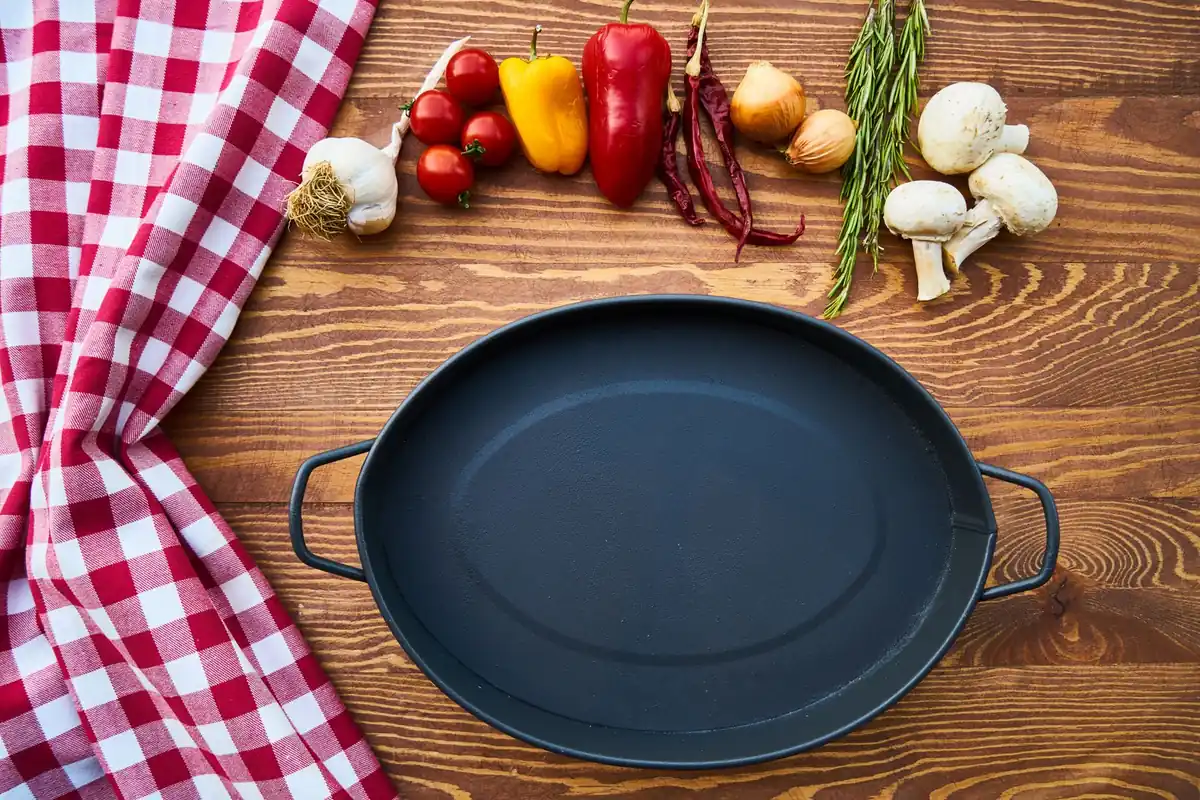
If you found a rusty cast iron skillet at the back of a cupboard or at a yard sale, don’t throw it out. Unless the pan is cracked or the rust has eaten pits deep into the metal, it can almost always be brought back in an afternoon. (If it can’t, here are the best cast iron skillets to replace it.)
Here’s the short version: scrub off the rust, dry the pan completely, and re-season it. The details below make sure it actually works.
First, how bad is it?
- Light surface rust (orange haze or a few spots): you can usually scrub it off in five minutes.
- Heavy rust (crusty, covers most of the pan): plan on a vinegar soak before scrubbing.
- Deep pitting or cracks: pitting is cosmetic if it’s shallow, but a crack means the pan is done. Cracked cast iron can split further when heated.
What you’ll need
- Steel wool or a stainless steel scrubber
- Dish soap
- White vinegar (for heavy rust)
- Baking soda (optional)
- Vegetable or canola oil
- Paper towels and an oven
Removing light rust
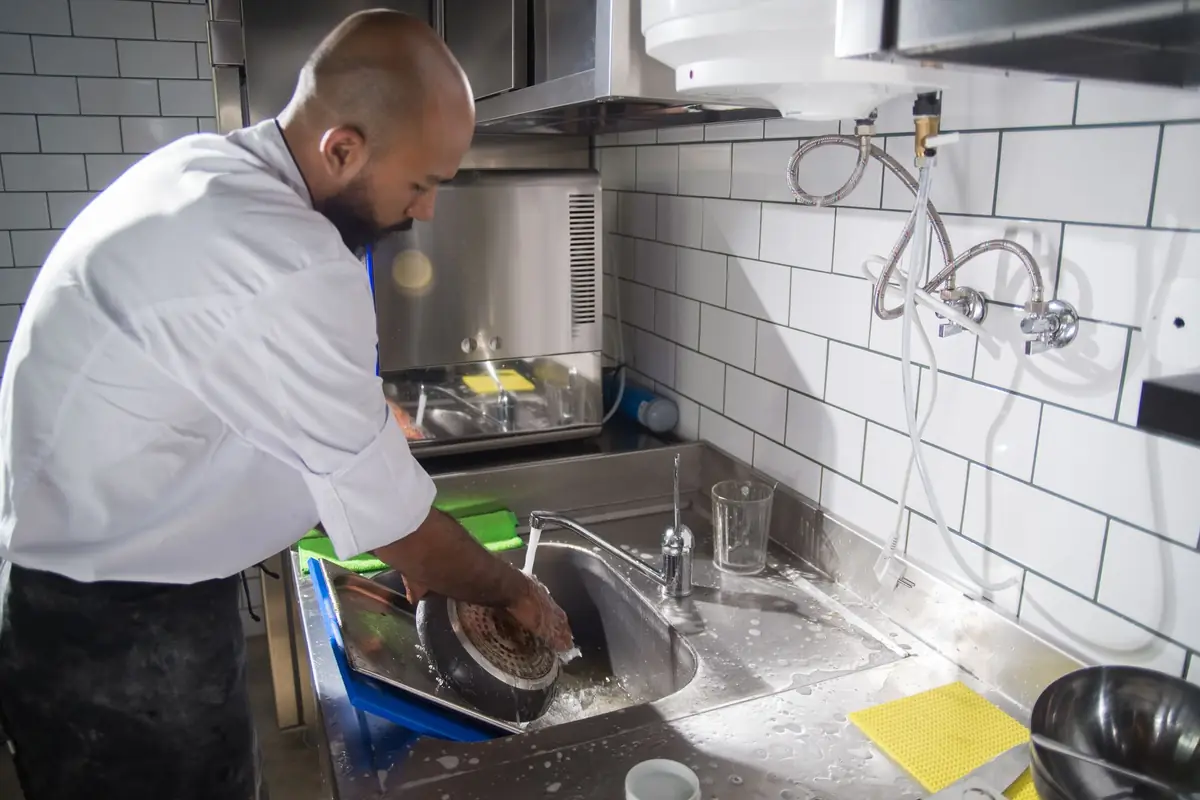
- Wet the pan and add a few drops of dish soap.
- Scrub the rusty spots with steel wool until you see bare, gray iron. Don’t worry about scrubbing away some seasoning around it. You’ll be re-seasoning anyway.
- Rinse well and go straight to drying (below).
For stubborn spots, sprinkle on baking soda with a splash of water to make a paste and scrub with that. It’s a gentle abrasive and won’t damage the iron.
Removing heavy rust with vinegar
Vinegar dissolves rust, but it will also start eating into the iron itself if you leave it too long. Keep a close eye on it.
- Mix equal parts white vinegar and water in a sink or tub big enough to submerge the pan.
- Soak the skillet and check it every 15 minutes. Most pans need 30 minutes to an hour. Pull it out as soon as the rust flakes away easily when you rub it.
- Scrub with steel wool under running water until all the rust is gone.
- Wash once with soap and water to stop the vinegar from working.
Never soak cast iron in vinegar overnight. Long soaks can leave the surface rough and pitted.
Dry it completely, right away
Bare cast iron can start to flash rust within minutes. After the last rinse:
- Towel it off.
- Put it on a burner over medium heat for about 5 minutes until every bit of moisture is gone.
- Let it cool just enough to handle safely.
Re-season the pan
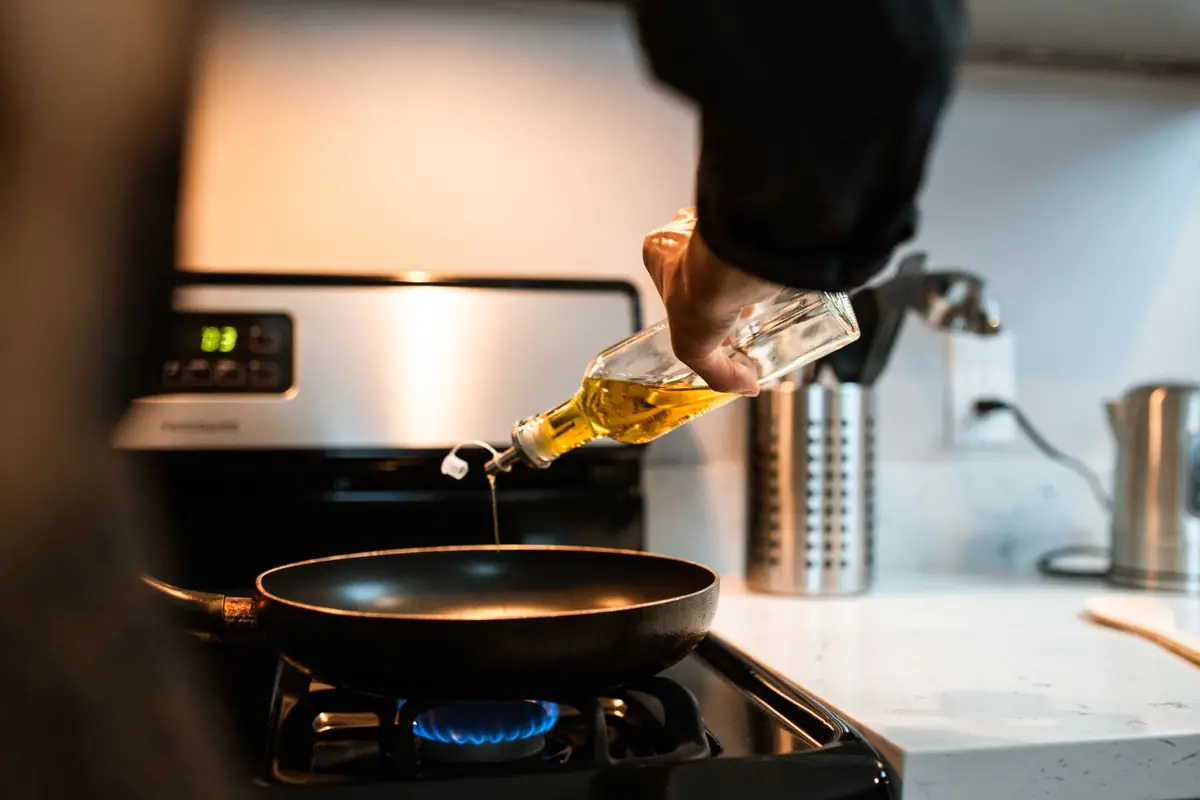
Once it’s dry, wipe a very thin coat of oil over the whole pan, inside and out, then wipe most of it back off. Bake it upside down at 450 to 500°F for an hour, let it cool in the oven, and repeat two or three times.
We walk through every step, and how to avoid a sticky finish, in our guide on how to season a cast iron skillet.
Why cast iron rusts
Cast iron rusts for the same reason anything made of iron does: water and air. The usual causes in a kitchen are:
- Leaving it to soak in the sink
- Putting it in the dishwasher
- Air drying instead of drying on the stove
- Storing it with a lid on, which traps moisture
- A thin or worn-out layer of seasoning
How to keep rust from coming back
- Wash, then dry on the burner every time. This one habit prevents almost all rust.
- Wipe on a few drops of oil while the pan is still warm.
- Store it with the lid off, or with a paper towel between the pan and the lid.
- Keep it out of the dishwasher. Even one cycle can strip the seasoning.
- Cook in it often. A pan that gets used regularly keeps its seasoning in better shape than one that sits.
If you’re deciding whether cast iron is worth the upkeep compared with a nonstick pan, our cast iron vs nonstick comparison lays out the trade-offs.
Short answers
Is it safe to cook in a cast iron pan with a little rust? A small amount of rust isn’t considered dangerous, but it will taste metallic and make food stick. Clean it off and re-season before cooking.
Can I use a wire wheel or drill attachment? Yes, on very heavy rust. Wear eye protection and go gently so you don’t gouge the surface. Steel wool is enough for most pans.
Will Bar Keepers Friend or CLR work? They can remove rust, but rinse very thoroughly afterward and re-season right away. For most pans, vinegar and steel wool do the job without stronger chemicals.