Cast Iron vs Nonstick: Which Skillet Should You Buy?
Cast iron and nonstick pans are good at different jobs. Here's a plain comparison of heat, weight, upkeep, lifespan and price, and which one to buy first.

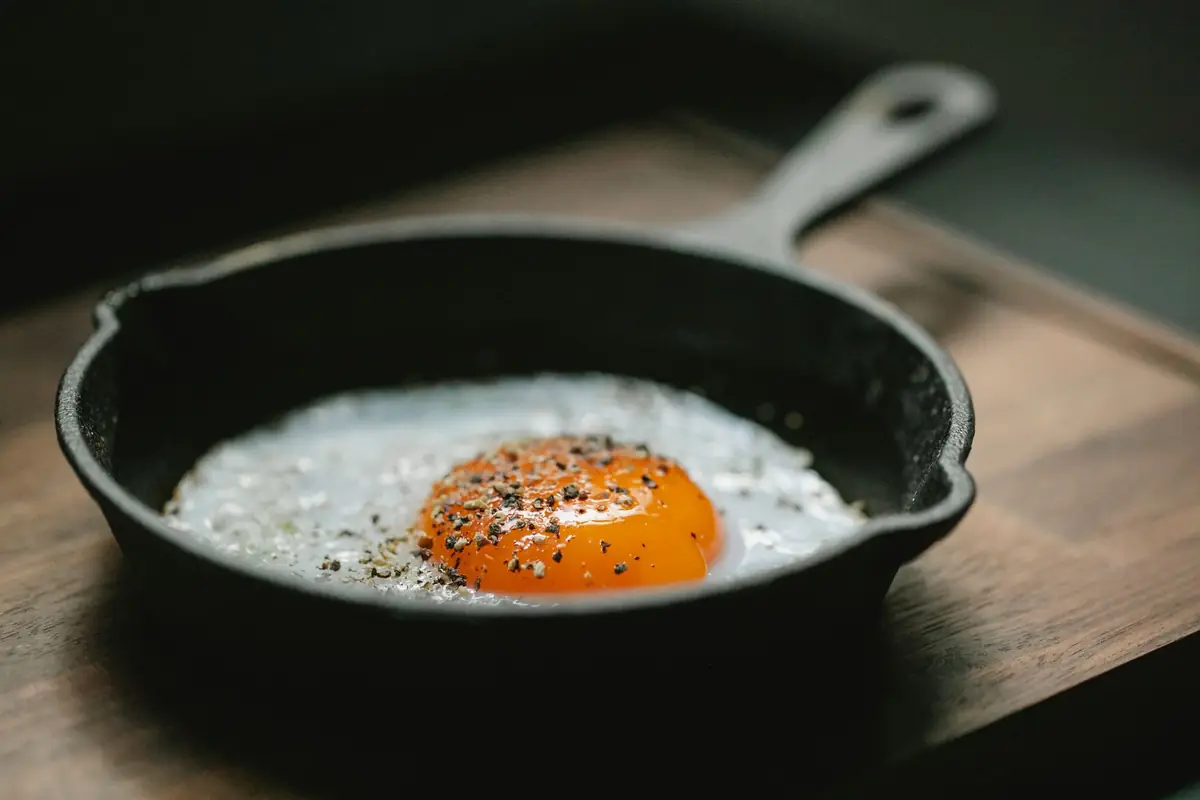
If you only have room or budget for one skillet, this is the question that matters. The honest answer is that cast iron and nonstick are built for different jobs, and most kitchens end up with one of each.
Short version: buy cast iron if you sear, roast or bake and want a pan that lasts decades. Buy nonstick if you mostly cook eggs, pancakes and delicate fish and want the easiest cleanup.
Side-by-side
| Cast iron | Nonstick | |
|---|---|---|
| Best for | Searing, steaks, cornbread, roasting, high heat | Eggs, pancakes, crepes, fish, low-fat cooking |
| Heat | Slow to heat, holds heat very well | Heats fast, loses heat quickly |
| Max heat | Stovetop, oven, grill, campfire | Usually medium heat; oven-safe only to the limit the maker lists |
| Weight (12-inch) | Heavy, roughly 7 to 8 lb | Light, usually 2 to 3 lb |
| Upkeep | Dry on the stove, oil lightly, re-season now and then | Hand wash, no metal utensils |
| Lifespan | Decades, often generations | A few years before the coating wears |
| Induction | Works | Only if it has a magnetic steel base |
| Typical price | About $20 to $60 for a good one | About $25 to $80 for a good one |
Where cast iron wins
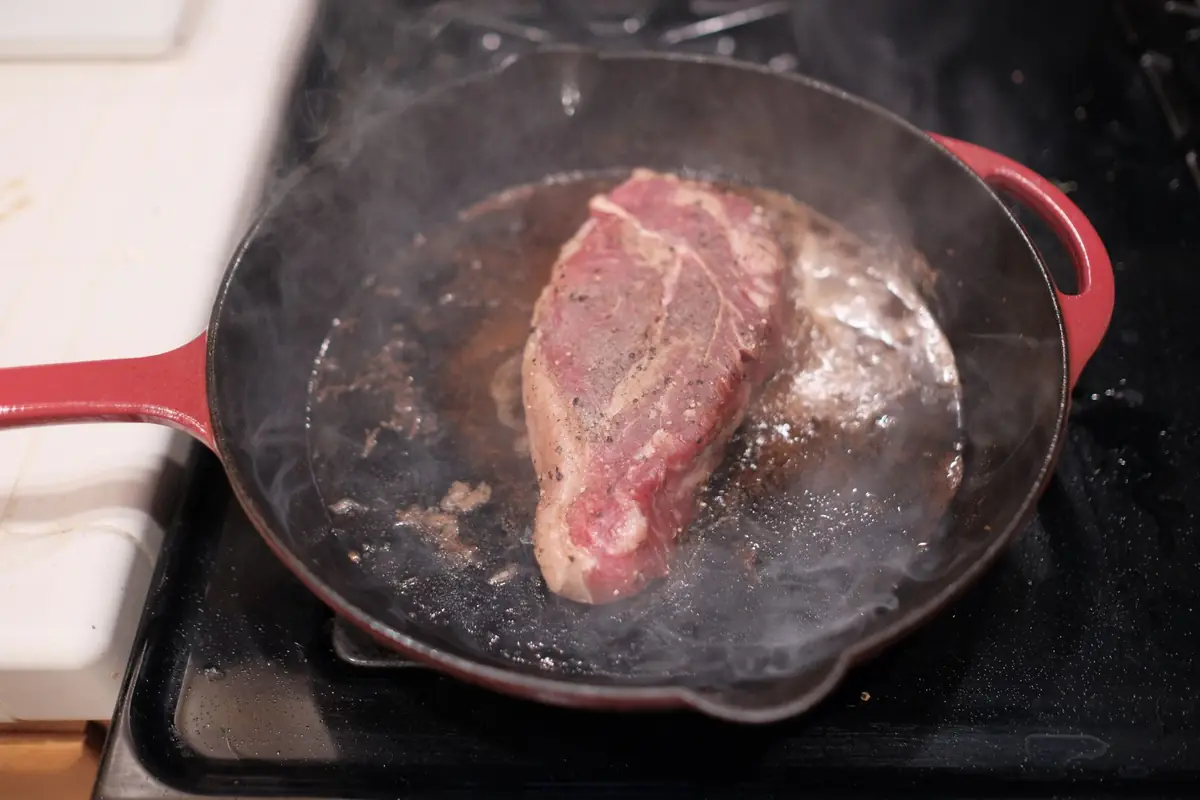
Searing and browning
Cast iron holds a lot of heat. When you drop a cold steak into a preheated pan, the temperature barely dips, so you get a deep brown crust instead of gray, steamed meat. Nonstick pans simply can’t match that.
High heat and the oven
You can take cast iron from a ripping-hot burner straight into a 500°F oven, or set it on a grill. That makes it the pan for skillet pizza, cornbread, roast chicken and finishing thick cuts of meat.
It lasts
A cast iron pan has no coating to wear out. If it rusts or the seasoning gets patchy, you scrub it and season it again. Plenty of people cook in their grandparents’ pans.
Where nonstick wins
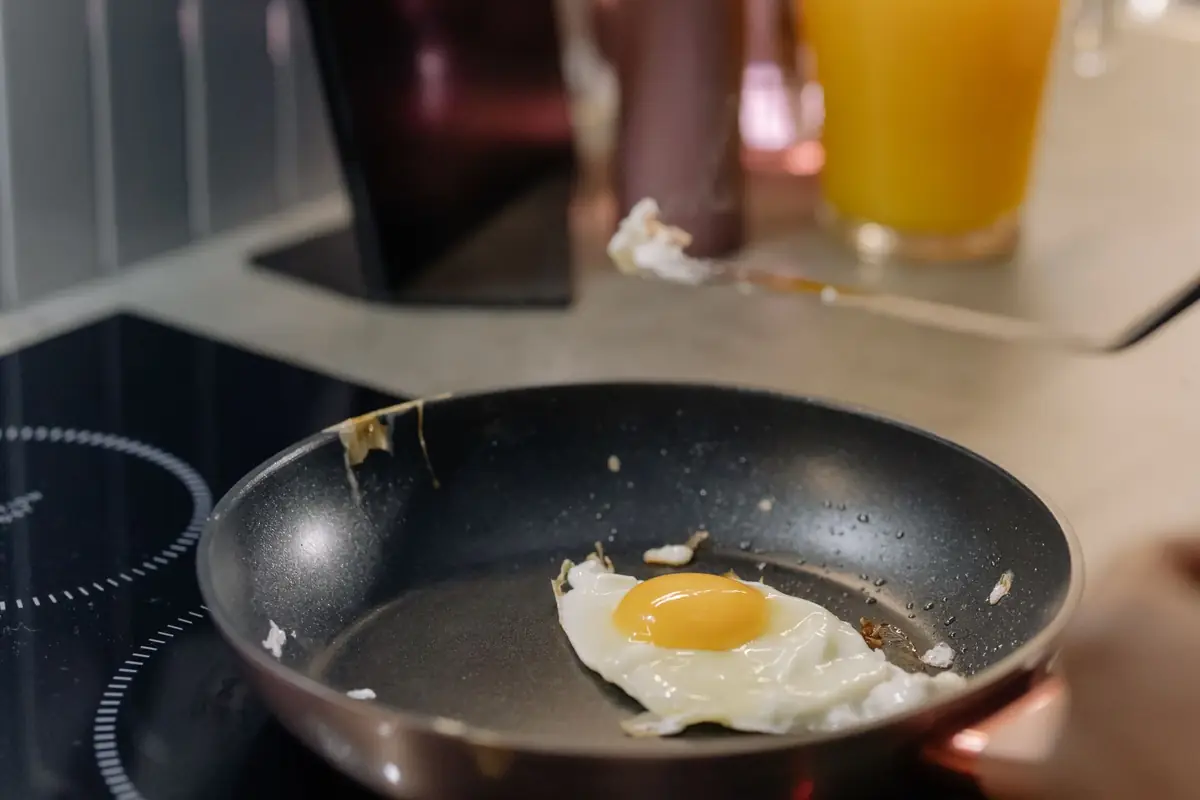
Eggs and delicate food
Scrambled eggs, omelets, pancakes and thin fish fillets release easily from nonstick with very little oil. Well-seasoned cast iron can do eggs, but it takes practice and a bit more fat.
Weight
A 12-inch cast iron skillet full of food is genuinely heavy. If you have wrist or hand problems, or just want something you can flip and toss, nonstick is far easier to handle.
Cleanup
A quick wipe or a rinse with soapy water and you’re done. No drying on the burner, no oiling.
The downsides to know about
Cast iron
- Heavy, and the handle gets very hot
- Can rust if left wet (here’s how to fix rust)
- Long simmering of acidic foods like tomato sauce can strip seasoning and taste metallic
- Takes several minutes to preheat evenly
Nonstick
- The coating wears out, usually within a few years of regular use
- Metal utensils, abrasive scrubbers and the dishwasher shorten its life
- Not meant for very high heat; check the maker’s temperature limit
- Can’t really sear
Which should you buy first?
Buy cast iron first if you cook meat often, like crispy, browned food, bake in skillets, or want one pan that will outlast you.
Buy nonstick first if eggs and breakfast are most of your stovetop cooking, you want a light pan, or you want the least upkeep.
If you can, get both. A 10- or 12-inch cast iron skillet for searing and roasting, and an 8- or 10-inch nonstick for eggs, covers almost everything a home cook does on the stove.
If cast iron is the winner for you, here are the best cast iron skillets at every budget.
Still wondering?
Is cast iron healthier than nonstick? Both are considered safe for normal home cooking when used as directed. Cast iron can add a small amount of iron to food. With nonstick, the main rule is not to overheat an empty pan and to replace it once the coating is visibly scratched or flaking.
Can a cast iron pan become nonstick? Mostly, yes. A well-seasoned pan that gets used regularly becomes very slick. It won’t be quite as forgiving as new nonstick with eggs, but it gets close.
What about carbon steel? Carbon steel sits in between. It needs seasoning like cast iron but is lighter and heats faster. It’s a good choice if you like the idea of cast iron but not the weight.