How to Season a Cast Iron Skillet (Oven Method That Actually Works)
A simple, step-by-step way to season or re-season a cast iron skillet in the oven, which oil to use, and how to fix a sticky or patchy finish.


Seasoning is just a thin layer of oil that has been baked onto the iron until it hardens. Done right, it keeps the pan from rusting and gives you that slick surface eggs slide around on. Done wrong, you get a sticky, blotchy mess.
The good news: the method is simple, and almost every mistake comes down to one thing. Too much oil.
What you’ll need
- Your cast iron skillet
- Dish soap and a scrub brush or non-scratch sponge
- A neutral cooking oil (see below)
- Paper towels or a lint-free cloth
- A sheet of aluminum foil or a baking sheet
- An oven that can reach 450 to 500°F
Which oil to use
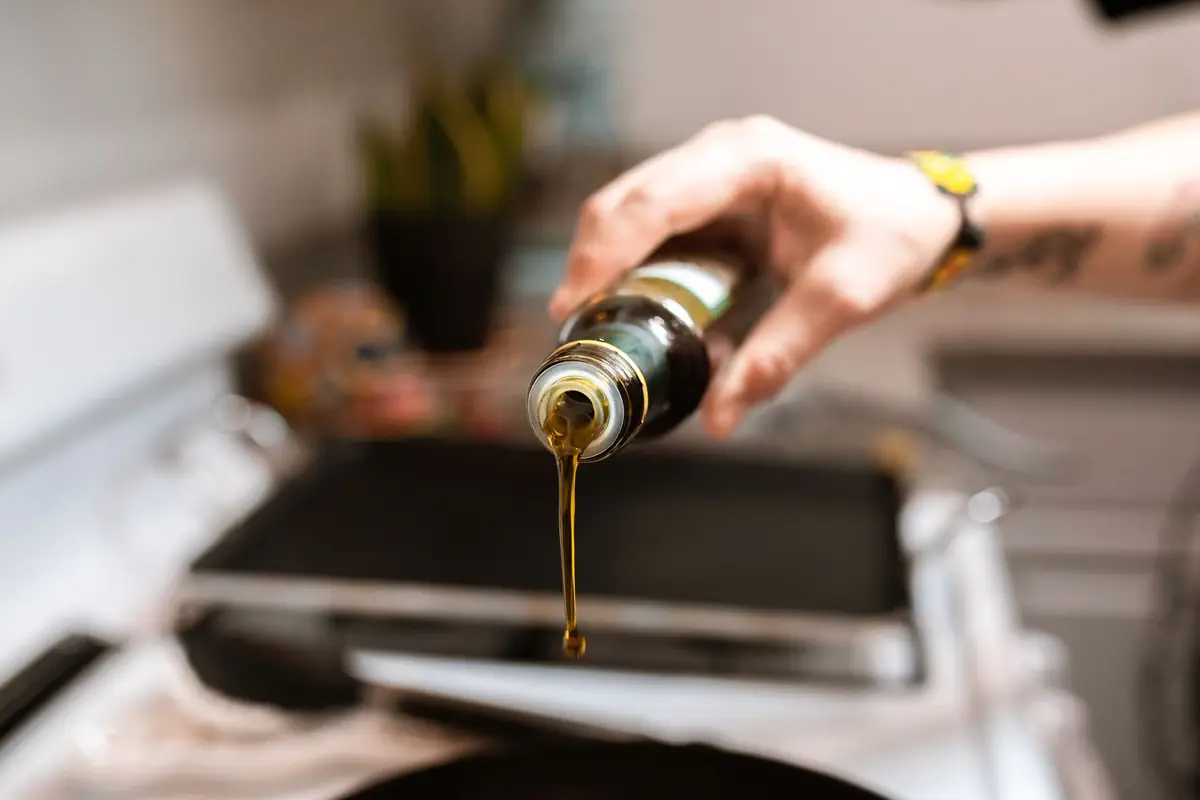
Use a plain cooking oil with a fairly high smoke point. Vegetable oil, canola oil or melted shortening all work well and are what most cast iron makers recommend. They’re cheap and you probably have one in the cupboard.
You’ll see people swear by flaxseed oil. It does build a hard, dark finish, but it is also more likely to flake off later. For a pan you actually cook in every week, regular vegetable or canola oil is the easier choice.
Skip butter and olive oil for oven seasoning. Butter burns, and extra virgin olive oil tends to leave a softer, slightly tacky layer.
Step by step
1. Clean the pan
Wash the skillet in warm, soapy water and scrub off any food or loose rust. A little dish soap is fine. It won’t hurt the seasoning the way people used to think. If there’s real rust, deal with that first (see how to get rust off cast iron).
2. Dry it completely
Towel it off, then set it on a burner over medium-low heat for 3 to 5 minutes. Water hides in the pores of the iron, and any left behind will cause rust spots under your new seasoning.
3. Oil it, then wipe almost all of it off
Turn off the heat. Pour in about a teaspoon of oil and rub it over the entire pan with a paper towel: inside, outside, sides and handle.
Now take a clean paper towel and wipe it off as if you made a mistake. The pan should look dark and barely glossy, not wet. This is the step that decides whether your seasoning turns out smooth or sticky.
4. Bake it upside down
Put a sheet of foil on the lower rack to catch drips. Set the skillet upside down on the middle rack and heat the oven to 450 to 500°F. Once it comes up to temperature, bake for 1 hour.
Expect a little smoke. Turn on the vent fan or crack a window.
5. Let it cool in the oven
Turn the oven off and leave the pan inside until it’s cool enough to handle. Rushing this can cause uneven spots.
6. Repeat 2 to 3 more times
One round gives you a light base. Three or four rounds give you a durable, even, dark finish. You can do them back to back on the same day.
How to tell if it worked

A well-seasoned pan is:
- Smooth and dry to the touch, not tacky
- Evenly dark, from brown-black to black
- Slightly satin, not shiny like it’s wet
If it feels sticky, there was too much oil. Bake it again for another hour at the same temperature and the extra oil will usually finish curing. If it’s still sticky after that, scrub that area back with soapy water and start over with thinner coats.
Do you need to season a new pan?
Most cast iron sold today, including the big brands, comes pre-seasoned from the factory (shopping for one? See the best cast iron skillets). You can cook in it right away. That factory layer is fairly thin, though, so one or two extra oven rounds before first use will make it noticeably more nonstick.
Keeping the seasoning going
You don’t have to oven-season often. Day to day, the pan maintains itself if you:
- Cook with a little fat, especially for the first dozen uses
- Wash it soon after cooking, without soaking it
- Dry it on the burner
- Wipe on a few drops of oil while it’s warm
Do a full oven round again whenever food starts sticking, the surface looks dull or gray, or you’ve had to scrub off rust.
For the bigger question of whether cast iron is even the right pan for how you cook, see our cast iron vs nonstick comparison.
FAQ
How often should I season cast iron in the oven? Only when it needs it. For most home cooks that’s once or twice a year, or after rust removal.
Can I season cast iron on the stove instead? Yes, for touch-ups. Heat the pan, wipe on a thin layer of oil and let it smoke for a few minutes. The oven gives a more even result for a full re-season.
Why is my seasoning flaking? Usually from thick layers that never fully cured, or from flaxseed oil. Scrub the loose bits off and re-season with thin coats of vegetable or canola oil.