How to Clean and Descale a Moccamaster
Moccamaster's own descaling steps, how often to do it, why vinegar isn't recommended, and how to keep the carafe and brew basket clean.

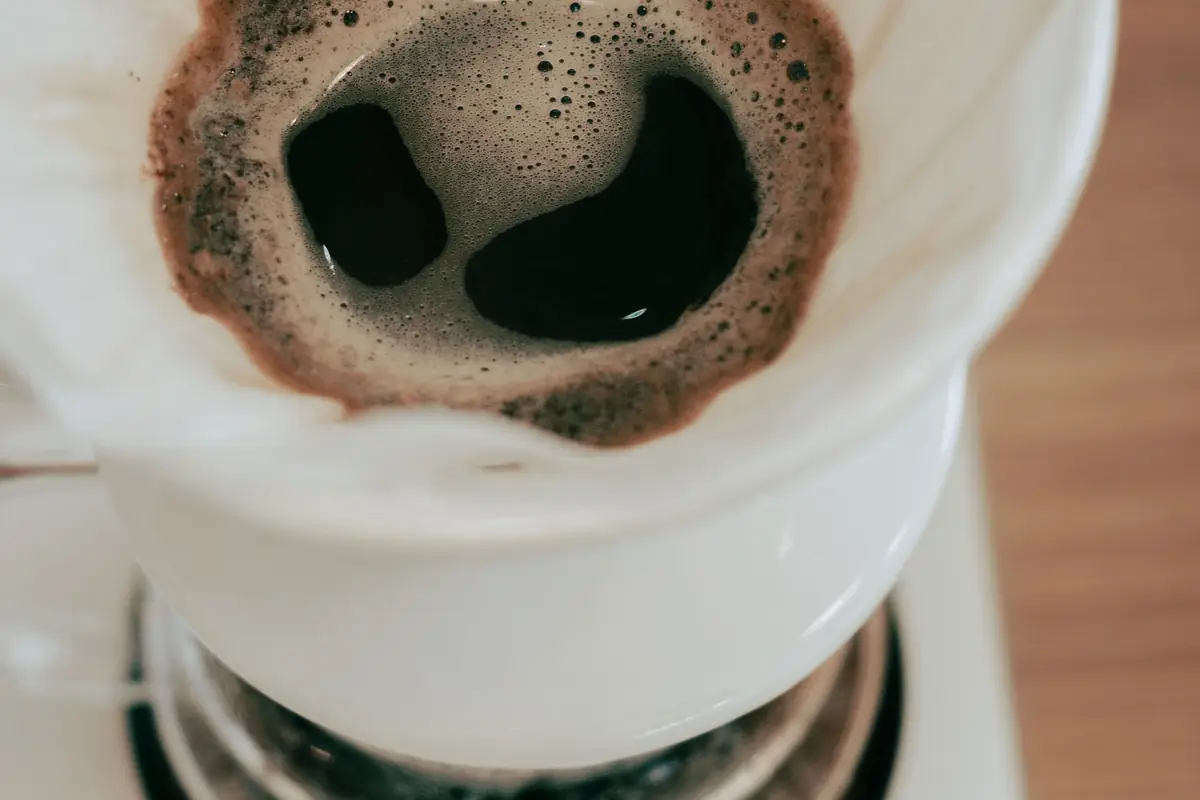
A Moccamaster can last for decades, but only if you descale it. Minerals in your water build up on the copper heating element over time. That slows brewing, lowers the water temperature and, if it’s ignored long enough, can permanently damage the brewer.
The good news is that it takes about 30 minutes, and you only need to do it every few months.
How often to descale
Moccamaster recommends descaling every 100 brew cycles, or at least every three months. An easy reminder: descale each time you finish a 100-count box of filters. If you have hard water, do it more often.
Signs it’s overdue:
- Brewing takes noticeably longer than about 6 minutes for a full pot
- The coffee isn’t as hot as it used to be
- The machine gurgles or steams more than usual
What to use (and why not vinegar)
Moccamaster recommends Urnex descalers, such as Dezcal, or BioCaf descaling powder. It says some other brands can damage the copper element and cause a metallic taste.
Moccamaster doesn’t recommend vinegar. It may not fully remove the buildup, it’s hard to rinse out completely, and it can leave a smell that affects later pots.
How to descale a Moccamaster
These steps follow Moccamaster’s instructions. Always check the directions on your descaler’s package too.
- Dissolve the descaler first. Mix the powder into 32 ounces of warm water in a separate container and stir until it’s fully dissolved. Don’t pour powder straight into the reservoir, since undissolved powder can clog the heating element.
- Let it cool if needed. Never pour hot water into a Moccamaster. If you used hot water to dissolve the powder, let it cool first.
- Pour the solution into the reservoir.
- Run a brew cycle with the carafe in place and no filter or coffee in the brew basket.
- Throw out the solution in the carafe.
- Rinse with three full cycles of clean, cold water. This clears out any leftover descaler.
That’s it. Brew a pot and taste it. If it still tastes off, run one more rinse cycle.
Own a Cup-One? Use the full amount of powder and water, poured in stages since the reservoir is small.
Cleaning vs descaling
They’re different jobs:
- Descaling removes mineral scale from inside the machine.
- Cleaning removes coffee oils and residue from the parts you can see and touch.
Coffee oils turn rancid and make coffee taste stale and bitter, so clean the removable parts often.
Daily and weekly cleaning
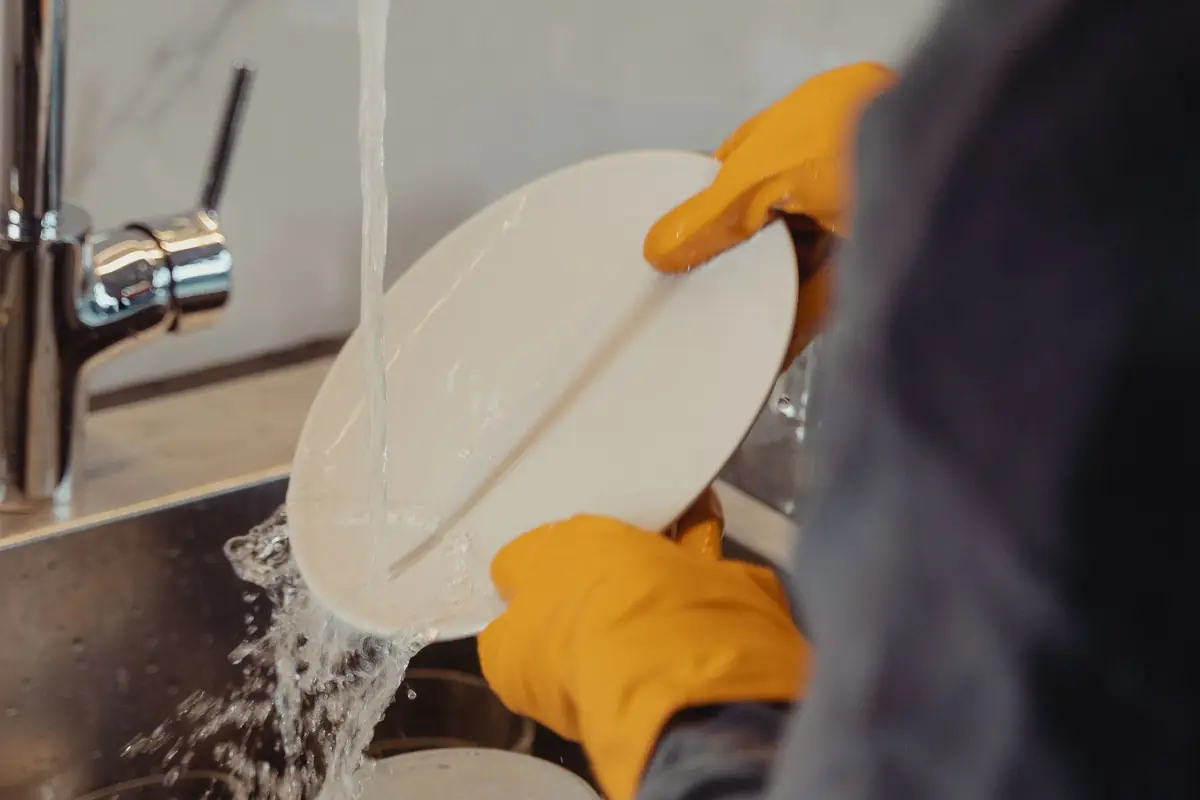
Brew basket and lid
Empty and rinse the brew basket after every pot. Once a week, wash it in warm, soapy water and rinse well. Coffee oil collects around the drip-stop valve at the bottom, so give it a scrub with a small brush.
Carafe
Rinse the glass carafe after each use. For brown stains, wash it with warm, soapy water, or use a coffee equipment cleaner such as Urnex Cafiza following the package directions. Avoid abrasive scrubbers that can scratch the glass.
Outlet arm
Hot water sprays onto the coffee through small holes in the outlet arm. If you see uneven wetting of the grounds, check whether any holes are blocked by scale, and descale the machine.
Hot plate and exterior
Wipe them with a damp cloth once the machine is cool and unplugged.
For dishwasher safety, check your model’s manual, since parts and advice vary by model. Hand washing is the safe bet.
Tips to descale less often
- Use filtered water if your tap water is hard. Here’s how to choose a filter for your home, or start with a water filter pitcher.
- Don’t leave water sitting in the reservoir for days.
Common questions
Can I use citric acid to descale a Moccamaster? Moccamaster recommends Urnex and BioCaf products. Other descalers may work, but using what the maker recommends is the safest way to protect the element and your warranty.
What happens if I never descale it? Scale builds up on the heating element, the water stops getting hot enough, brewing slows, and the brewer can be permanently damaged.
Is the Moccamaster plastic-free? No. If you’re shopping for a coffee maker with less plastic, see the best drip coffee makers without plastic.