Lawn Mower Won't Start? A 10-Minute Checklist
Most mowers that won't start in spring have old gas, a dirty spark plug or a clogged air filter. Work through this checklist for gas, battery and riding mowers before you call for repair.

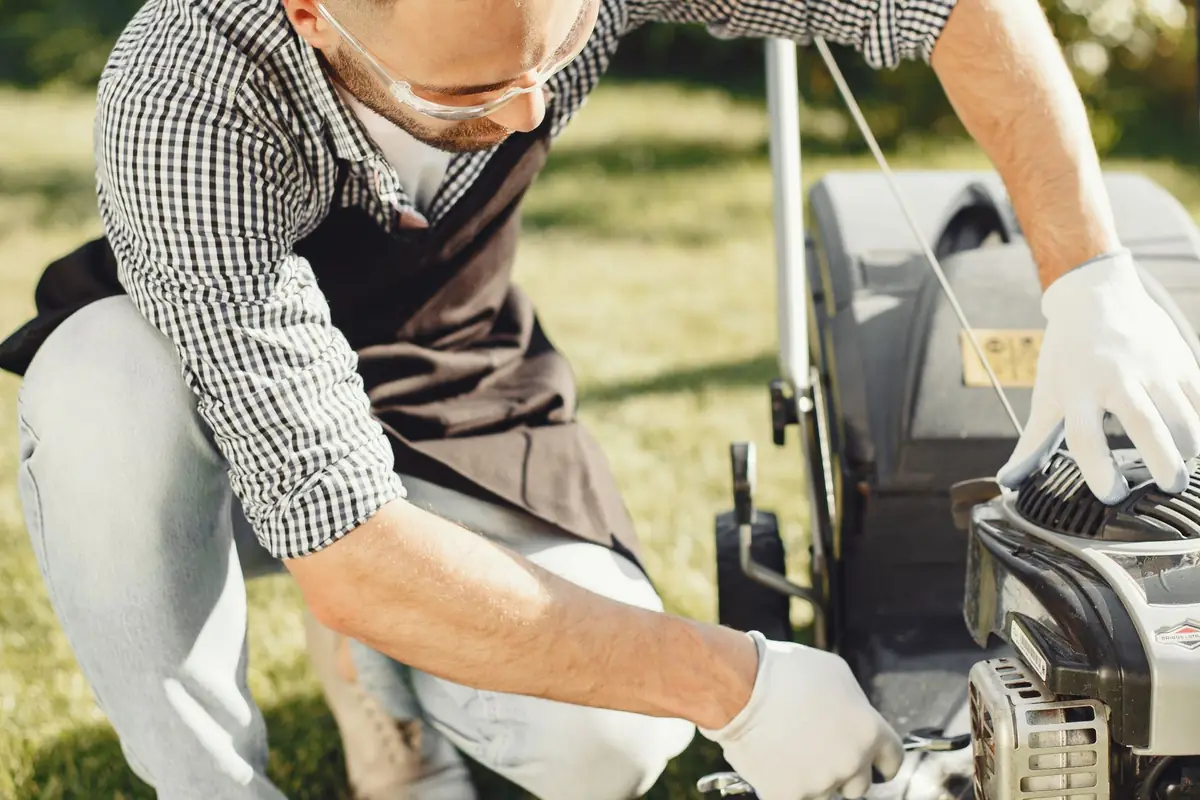
It’s the first warm Saturday of spring, and the mower won’t start. Before you haul it to a shop, work through this list. Most of the time, it’s something simple, and the most common culprit by far is gas that sat in the tank all winter.
Safety first: before you work near the blade, pull the spark plug wire (gas) or remove the battery (electric).
Gas push mowers
1. Is the gas fresh?
Gasoline starts to break down within about a month, and ethanol-blended fuel absorbs water. Stale gas gums up the carburetor.
- Smell it. Old gas smells sour or like varnish.
- Drain it and refill with fresh gas. If you use gas that sits a while, add a fuel stabilizer.
2. Are the basics set?
- Fuel shut-off valve is open, if your mower has one.
- Choke is on for a cold start, or primer bulb pressed three to five times.
- Safety bail, the bar you hold against the handle, is pulled all the way back.
3. Is the spark plug OK?
Pull the plug with a spark plug socket.
- Black and sooty, oily, or corroded? Clean it with a wire brush or, better, replace it. Plugs are cheap.
- Gap wrong? Check it against the manual.
- Wire loose? Push the boot firmly back on.
4. Is the air filter clogged?
A clogged filter chokes the engine. Paper filters should be replaced; foam filters can be washed with soap and water and lightly re-oiled. Never run the mower without a filter.
5. Is the oil level right?
Too little or too much oil can keep some engines from starting or make them smoke. Check the dipstick on level ground.
6. Is the blade jammed?
Tall, wet grass or a packed deck can make the pull cord hard or impossible to pull. Disconnect the plug, tip the mower with the air filter up, and clear the deck.
7. Is the carburetor gummed up?
If it starts and dies, or only runs with the choke on, the carburetor probably has old-fuel varnish. Spraying carburetor cleaner into the intake sometimes helps. Otherwise, it needs cleaning or replacing, which is a common shop job.
Battery mowers
- Charge the battery fully and make sure it clicks all the way in.
- Check the safety key or push-button start sequence. Most need a button and the bail pressed together.
- Let it warm up or cool down. Many batteries won’t run below or above a certain temperature.
- Clear the deck. A jam can trip the motor’s overload protection. Remove the battery, clear grass, and try again.
- Try another battery if you have one. Batteries that are years old may no longer hold a charge.
Riding mowers and lawn tractors
Riders have safety switches that stop the engine from starting unless everything is in place.
- Sit in the seat. The seat switch must sense you.
- Set the parking brake or press the brake pedal, depending on the model.
- Disengage the blades (PTO off).
- Put it in neutral.
- Check the battery. Clicking with no crank usually means a weak battery or loose cables. Clean the terminals and charge it.
- Then check gas, spark plug and air filter as above.
When to call a pro
- The engine turns over and has fresh gas, a good plug and a clean filter, but still won’t start.
- You smell gas leaking, or see oil in the air filter.
- The pull cord won’t move at all with the deck clear.
- A battery mower shows an error code that doesn’t clear.
Prevent it next spring
- Run the tank dry or add stabilizer before winter.
- Change the oil, spark plug and air filter once a season.
- Store batteries indoors, partly charged.
- Sharpen the blade. Here’s how to sharpen lawn mower blades.
Short answers
Why does my mower start, then die? Usually old gas or a dirty carburetor. Fresh gas and carburetor cleaner fix many cases.
Why won’t my riding mower turn over? Often a safety switch (seat, brake or blades engaged) or a weak battery.
Is it worth fixing an old mower? A new plug, filter and fresh gas cost little and often fix it. If the engine needs major work, compare the cost to a new mower, like our picks for riding mowers for 1 acre.