I Turned an Anker SOLIX C2000 Gen 2 Into a Home Solar Backup System
How to build the Anker SOLIX C2000 Gen 2 out into a home solar backup setup: two 400W bifacial panels to max out its 800W solar input, the connectors and 30-foot cable that keep the station indoors, and a cart to roll its 41.7 pounds around.

Our top picks at a glance
- Check Amazon Price
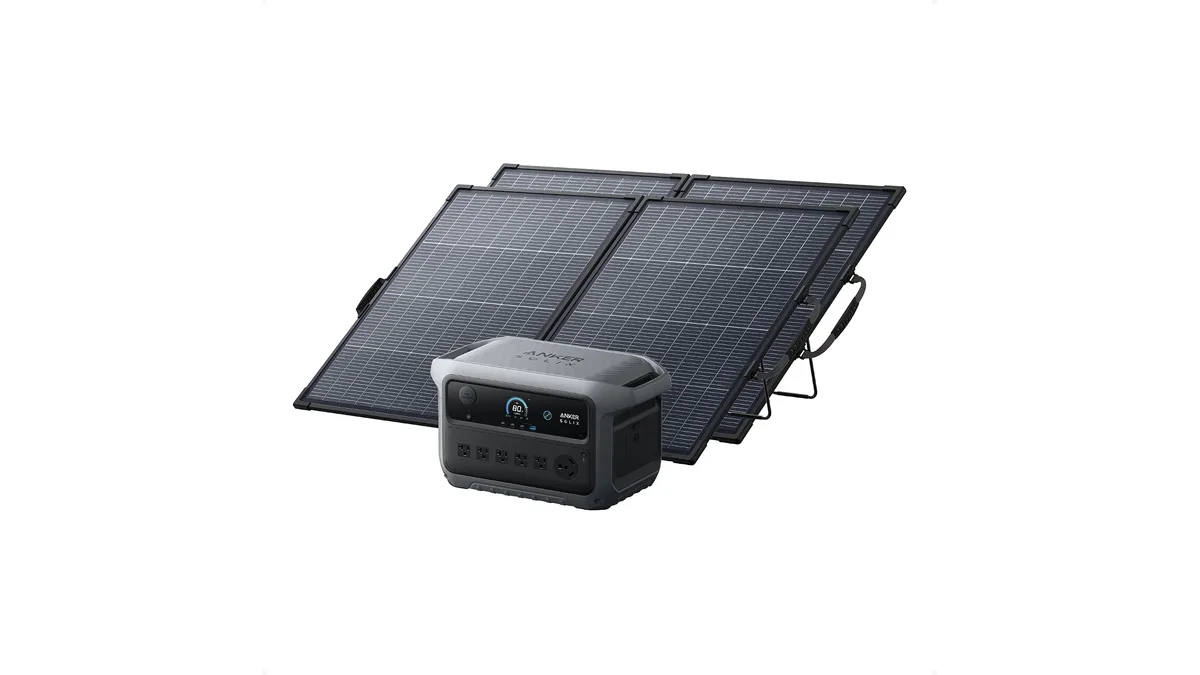
A 2,048 Wh station with 2,400 W of output and a 10 ms switchover, bundled with one 400 W bifacial panel and its cables. Read more
Pros
- 2,048 Wh LFP battery
- 2,400 W output (4,000 W peak)
- 10 ms UPS switchover
- 4.7 stars on 780+ ratings
Cons
- About $1,600
- 41.7 pounds
- Check Amazon Price
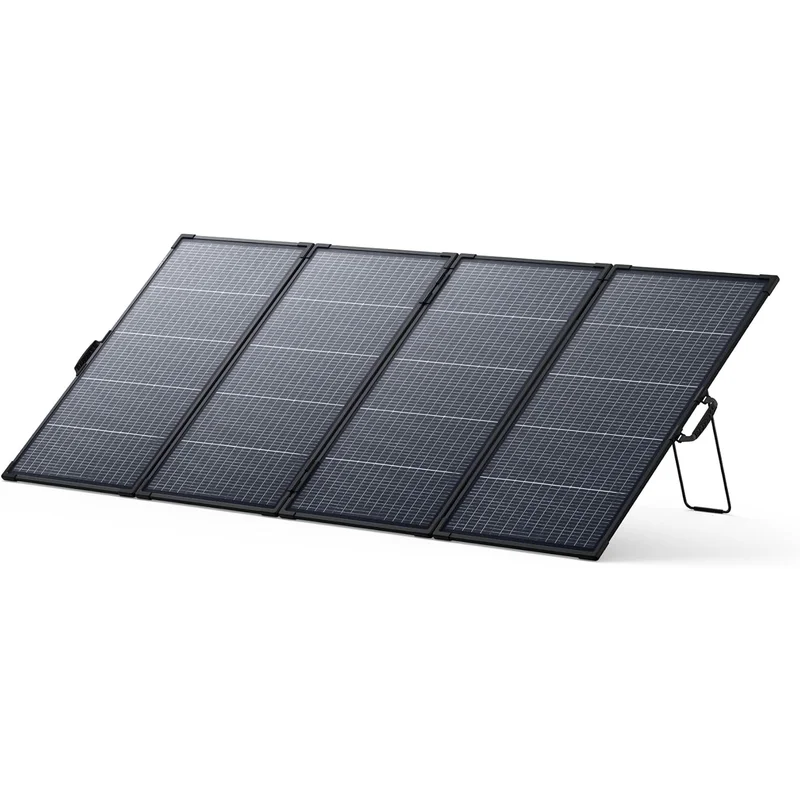
A second 400 W panel brings you to 800 W, the most the C2000 Gen 2 can take from the sun. Read more
Pros
- 400 W
- Bifacial
- IP68
- 21.9 pounds
Cons
- About $800
- Only a handful of ratings so far
- Check Amazon Price
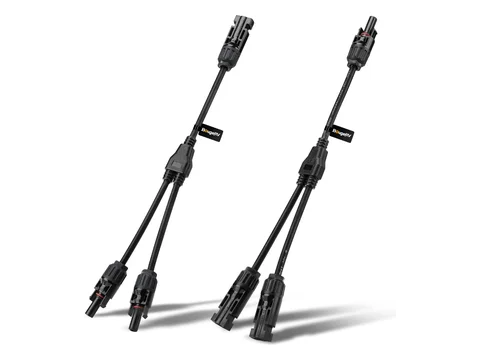
A pair of Y connectors that wire the two panels side by side (in parallel) into one MC4 lead. Read more
Pros
- Under $10
- 4.7 stars on 10,000+ ratings
Cons
- Get the polarity right
- Check Amazon Price
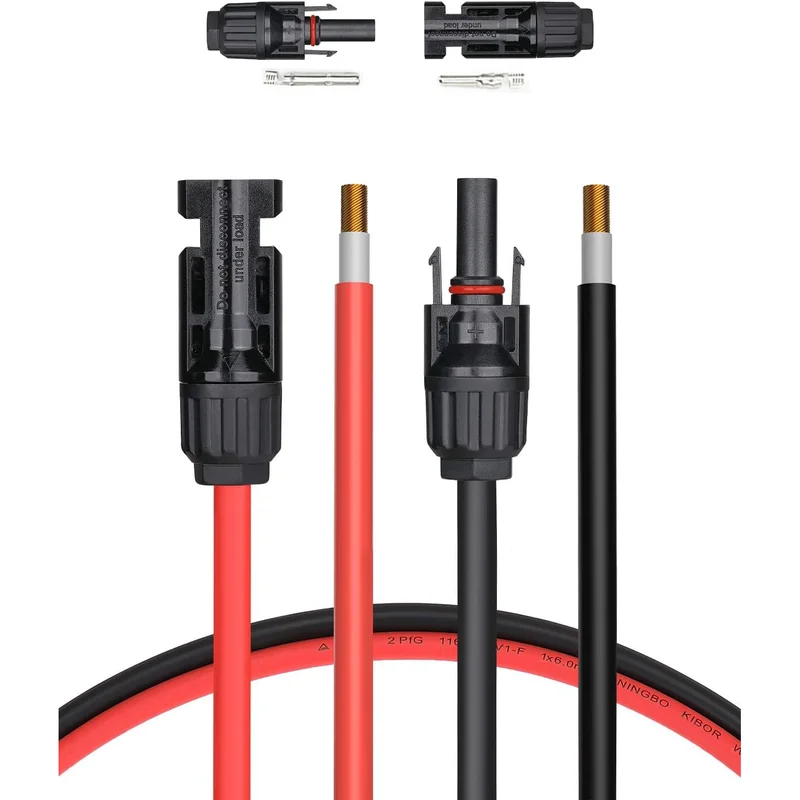
Thirty feet of 10-gauge MC4 cable between the panels and the XT60i adapter that comes with the PS400. Read more
Pros
- 30 feet
- 10 AWG
- 4.8 stars on 900+ ratings
Cons
- Run it through a cracked door or window
- Check Amazon Price
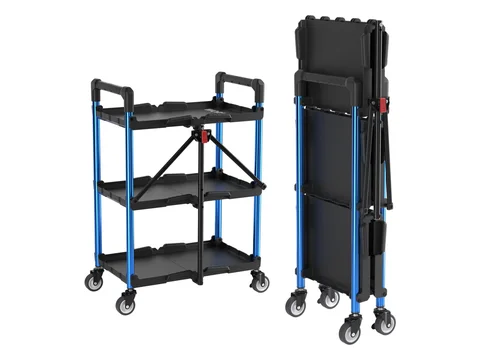
A folding three-shelf cart rated for 210 pounds, so the station rolls from the closet to the fridge. Read more
Pros
- 210 lb capacity
- Folds flat
- 4.8 stars on 770+ ratings
Cons
- Not a sealed cabinet
The Anker SOLIX C2000 Gen 2 packs 2 kWh into a box about the size of a carry-on. This build adds the pieces that turn it into a real home solar backup setup: a second panel to max out its solar input, the wiring to keep the station indoors, and a cart to move it.
I haven’t had this exact setup on my own bench. Everything below comes from Anker’s spec pages and the Amazon listings, and I checked that every piece works with the others. Every pick was in stock and sold by Amazon.com or the brand’s own store when I checked on November 23, 2026. Prices change often, so check each link.
The build at a glance
| Piece | What it does | Key spec |
|---|---|---|
| Anker SOLIX C2000 Gen 2 + PS400 | Battery, outlets and your first panel | 2,048 Wh, 2,400 W, 400 W panel |
| Second PS400 bifacial panel | Maxes out the solar input | 400 W, for 800 W total |
| BougeRV Y connectors | Wire the two panels side by side | MC4 |
| BougeRV 30 ft extension cable | Keeps the station indoors | 10 AWG |
| WORKPRO utility cart | Moves the station | 210 lb capacity |
The whole build runs about $2,540 at today’s prices.
1. Anker SOLIX C2000 Gen 2 + PS400 Bifacial Panel
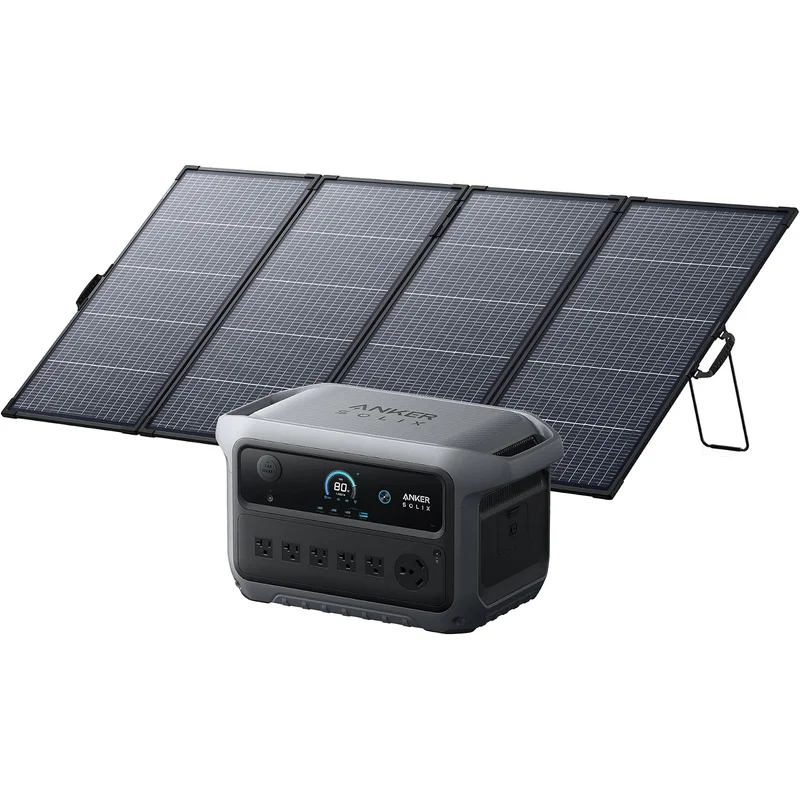
The brain of the build. It’s a 2,048 watt-hour lithium iron phosphate battery with 2,400 watts of rated output and 4,000 watts peak. It has five standard AC outlets plus a TT-30 RV outlet, two 140-watt USB-C ports and a car socket. When the grid drops, it switches over in 10 milliseconds, so a router, computer or CPAP stays on.
Anker says it charges from 0 to 100% in 58 minutes with the wall and solar together, or 88 minutes from the wall alone. It idles at just 9 watts, and Anker rates the battery for 4,000 cycles to 80%. It weighs 41.7 pounds.
This bundle comes with one PS400 bifacial panel, two 8.2-foot solar cables and a short XT60i cable that plugs into the station.
Check Amazon Price: Anker SOLIX C2000 Gen 2 + PS400
2. A second Anker SOLIX PS400 Bifacial Panel
The C2000 Gen 2 takes up to 800 watts of solar through one XT60i port, rated 11 to 60 volts and 17 amps. One PS400 gives you 400 of those watts. A second one gets you to the full 800.
The PS400 is bifacial, so it also catches light bouncing off the ground behind it. Anker says that’s up to 10% more power than a one-sided panel. It’s IP68 rated, folds up, and weighs 21.9 pounds.
Check Amazon Price: Anker SOLIX PS400
3. BougeRV MC4 Y Branch Parallel Connectors
These join the two panels into one pair of MC4 leads. Plug the two positive leads into one Y and the two negatives into the other.
Wire the panels side by side (in parallel), not end to end. Each PS400 puts out about 48 volts, and two in series would go past the station’s 60-volt limit. In parallel, the voltage stays at one panel’s level and the current adds up to about 16.7 amps, just under the 17-amp limit.
Check Amazon Price: BougeRV MC4 Y Branch Connectors
4. BougeRV 30 ft 10 AWG Solar Extension Cable
The panels’ own cables are 8.2 feet long, which isn’t enough to reach from the yard to a closet. This 30-foot, 10-gauge MC4 cable runs between the Y connectors and the short XT60i cable that plugs into the station. Run it through a cracked window or door, and keep the station inside where it’s dry.
Check Amazon Price: BougeRV 30 ft Solar Extension Cable
5. WORKPRO 3-Tier Collapsible Utility Cart
At 41.7 pounds, the C2000 Gen 2 is easier to roll than to carry. This folding cart is rated for 210 pounds, so the station fits on a shelf with room for cables and a lamp, and the cart folds flat when the outage is over.
Check Amazon Price: WORKPRO 3-Tier Utility Cart
The fridge math
Anker says the C2000 Gen 2 runs a dual-door fridge for up to 32 hours. A typical modern fridge uses roughly 1 to 2 kWh a day, so measure yours with a plug-in meter before you count on it. On a sunny day, 800 watts of panels can put a big share of the battery back in. Real output is lower than the rating because of clouds, heat and the angle of the sun.
One safety rule
Never plug a power station into a wall outlet to feed the house. If you want it connected to your panel, that’s a transfer switch installed by an electrician.
Want something different?
For a bigger battery, see how we turned a $1,299 BLUETTI Elite 300 into a home solar backup. To start smaller, see the $579 EcoFlow DELTA 3 build. Still deciding on fuel or battery? Read generator vs power station for a winter outage.
We may earn a commission if you buy through links on this page. It never changes what we recommend. As an Amazon Associate we earn from qualifying purchases. Learn more.